
Biofuels: Advantages and disadvantages in energy production
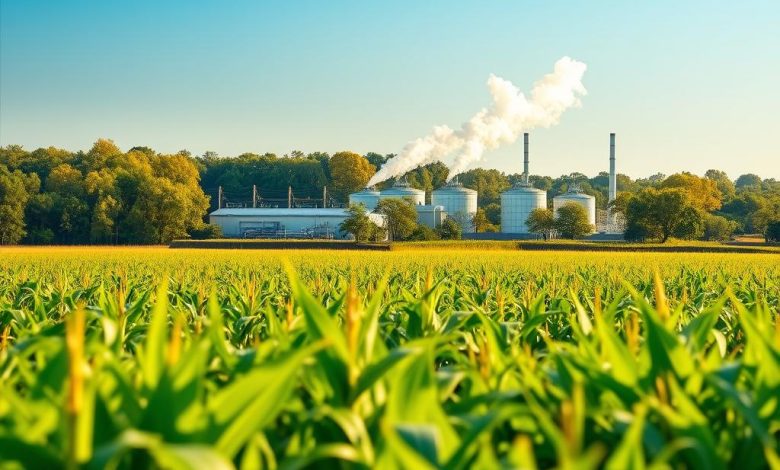
The world is moving away from fossil fuels, and biofuels are seen as a key alternative. Made from renewable biomass, biofuels are a green and sustainable option. This article will explore the good and bad sides of biofuels in energy production. We’ll look at their effects on the environment, economy, and energy security.
Biofuels could change the energy world, offering a green and lasting energy source. With new tech and more investment in renewables, biofuels are playing a bigger role. Countries like China, the European Union, and the United States are focusing on clean energy. This means we’ll see a big increase in demand for biofuels in the future.
Introduction to Biofuels
Definition and Overview of Biofuels
Biofuels come from biomass, like plants and waste. They are seen as a green alternative to fossil fuels. These renewable energy sources help us use less non-renewable resources and cut down on pollution.
Importance of Biofuels in the Energy Sector
The world is moving towards biofuels to cut down on fossil fuels. Biofuels are good for the planet, make energy more secure, and can boost local economies. They are key in the shift to sustainable resources and renewable energy.
Biomass is a big part of our energy, making up 10% of it. Pyrolysis is key in turning biomass into gas or heat. It breaks down biomass into gases, char, and tar, then changes tar into gases and char.
Char’s makeup changes with temperature, with carbon making up 65% to 85% of it. The gases produced vary with test conditions. Pyrolysis reactions are mostly heat-releasing, except for tar formation, which absorbs heat. The gases are mostly CO, CO2, CH4, H2, and small hydrocarbons.
Types of Biofuels
Biofuels are divided into three generations based on their production feedstock. First-generation biofuels come from food crops like sugarcane and vegetable oils. Second-generation biofuels use non-food biomass, like agricultural waste and wood chips. Third-generation biofuels are made from microalgae, which can grow on land not suitable for crops.
First-Generation Biofuels
First-generation biofuels, like bioethanol and biodiesel, come from crops like corn and sugarcane. They are widely used but have faced criticism for their impact on food and land.
Second-Generation Biofuels
Second-generation biofuels are made from non-food biomass, such as wood waste and energy crops. They aim to solve the issues of first-generation biofuels by using waste materials.
Third-Generation Biofuels
Third-generation biofuels are made from microalgae, offering a high energy content. They can be grown on land not fit for crops, making them a promising future option.
Advantages of Biofuels
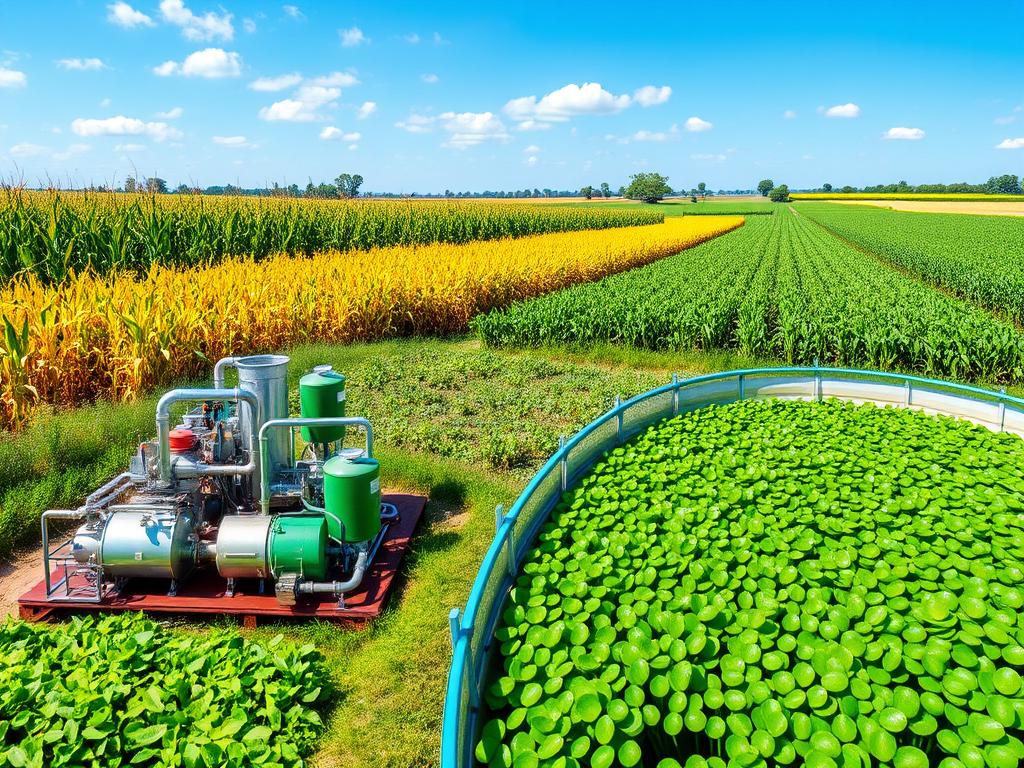
Biofuels are becoming more popular in the energy world. They are a renewable source of energy. This means they can help us use less of the limited fossil fuels we have.
One big plus of biofuels is how good they are for the environment. They can cut down greenhouse gas emissions by up to 85%. This is a big help in fighting climate change. The use of biofuels in flying is growing fast, with a 26% increase expected by 2026.
More and more biofuels will be made for flying by 2025. This is over 6.2 billion gallons. Using biofuels in planes can also cut down on harmful air pollution by more than half. This makes the air cleaner and helps people’s health.
Using biofuels can also make our energy supply safer. They are made from things we can grow here, so we don’t have to rely on oil from other countries. This makes our energy mix more diverse and less affected by world market prices.
| Biofuel Advantage | Statistic |
|---|---|
| Reduction in Greenhouse Gas Emissions | Up to 85% compared to traditional fossil fuels |
| Aviation Biofuel Consumption Growth Rate | 26% CAGR (2021-2026) |
| Aviation Biofuel Production Capacity | Over 6.2 billion gallons by 2025 |
| Reduction in Particulate Matter Emissions | Over 50% in aircraft engines |
| Decrease in Biofuel Production Costs | Approximately 90% over the past decade |
The cost of making biofuels for planes has dropped by about 90% in the last ten years. This makes it easier for airlines to use them and cut down on carbon emissions.
In summary, biofuels are a great choice for many reasons. They are renewable, sustainable, good for the environment, and help with energy security. These reasons make them a strong alternative to fossil fuels in the energy world.
Renewable and Sustainable Energy Source
Biofuels are becoming a key renewable energy source. They come from biomass, like plants and waste. Unlike fossil fuels, biofuels can be made again and again, making them a better choice for energy.
The biomass for biofuels can grow back, unlike fossil fuels. This makes biofuels a sustainable option. Using biofuels helps us use less non-renewable energy and move towards a greener future.
| Renewable Energy Source | Sustainability | Environmental Impact |
|---|---|---|
| Biofuels | Biomass can be continuously replenished | Reduced greenhouse gas emissions compared to fossil fuels |
| Solar Power | Unlimited supply of sunlight | Minimal environmental impact during operation |
| Wind Power | Harnessing a natural, renewable resource | No direct emissions or pollution during energy generation |
Biofuels are a promising alternative to fossil fuels. They could make our energy use more eco-friendly. As biofuel technology gets better, we’ll see more of them in our energy mix.
 Climate change: Causes, effects and solutions
Reduction in Greenhouse Gas Emissions
The use of biofuels can greatly help cut down greenhouse gas emissions. Biofuels are seen as carbon-neutral because the carbon dioxide they release is taken in by plants. This helps lessen the harm energy production does to the environment and fights climate change.
Environmental Impact of Biofuels
Biofuels can make the energy sector’s carbon footprint smaller. The Global Next Generation Renewable Fuels market is set to grow from USD in 2023 to USD by 2030. This shows more people want clean energy that cuts down on greenhouse gas emissions, environmental impact, and climate change.
Research shows biofuels like cellulosic ethanol and renewable diesel can cut down carbon footprint a lot. Moving to cleaner energy is key to meeting the Paris Agreement goals and fighting climate change.
As we move towards a greener future, the Next Generation Renewable Fuels market will see more investment. Governments and companies are seeing the value in using biofuels to lower greenhouse gas emissions and reduce energy production’s environmental impact.
Biofuels and Energy Security
Biofuels are key in the search for better energy security and energy independence. Unlike fossil fuels, biofuels can come from many local biomass resources. This makes it easier to reduce reliance on imported fuels and diversify energy sources.
One big plus of biofuels is how they boost a country’s energy security. By using local biomass, nations can cut down on foreign oil and gas. This helps avoid supply problems or political issues. It also makes a country more independent and resilient against energy market changes.
Also, making biofuels can create jobs, especially in rural areas. This can improve local economies and lives. It strengthens a nation’s energy security overall.
| Energy Product | Price | Price Change |
|---|---|---|
| WTI Crude Oil | $74.38 | +0.91% |
| Brent Crude Oil | $78.05 | +0.55% |
| Natural Gas | $2.854 | -3.91% |
| Gasoline | $2.096 | +0.15% |
The role of biofuels in improving energy security and energy independence is growing. By using different energy sources, biofuels help countries deal with the energy market’s challenges. They ensure a more stable and sustainable energy future.
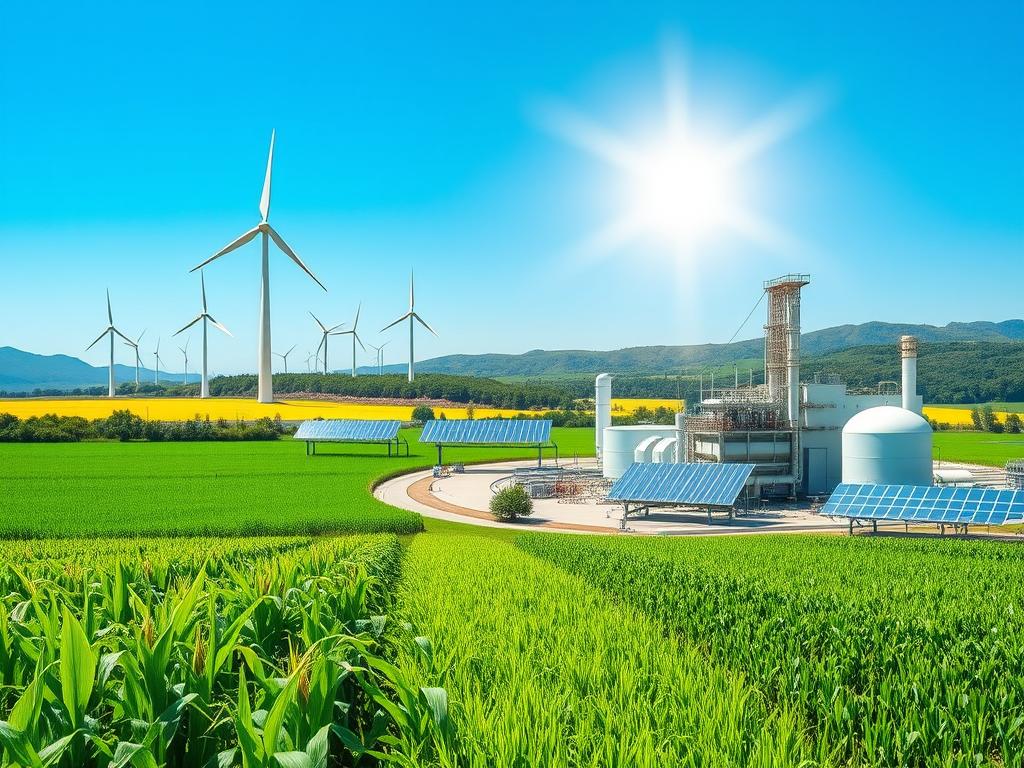
Economic Benefits of Biofuel Production
Biofuels bring big economic wins, not just in energy. They create jobs, help rural areas grow, and open up new money-making chances. These help the economy grow and diversify energy sources.
One big win is jobs. The biofuel world, from growing crops to making fuel, hires people in cities and farms. This boosts local economies and helps farms grow.
Also, biofuels give farmers and landowners a new way to make money. Growing biofuel crops like corn or sugarcane adds to their income. This makes their farms more stable and diverse.
But there’s more. Biofuels also help a country’s economy in other ways. Making more biofuels means using less oil from other countries. This can lower the trade deficit and make energy safer.
Plus, the biofuel industry pushes for new tech and ideas. This leads to more economic gains.
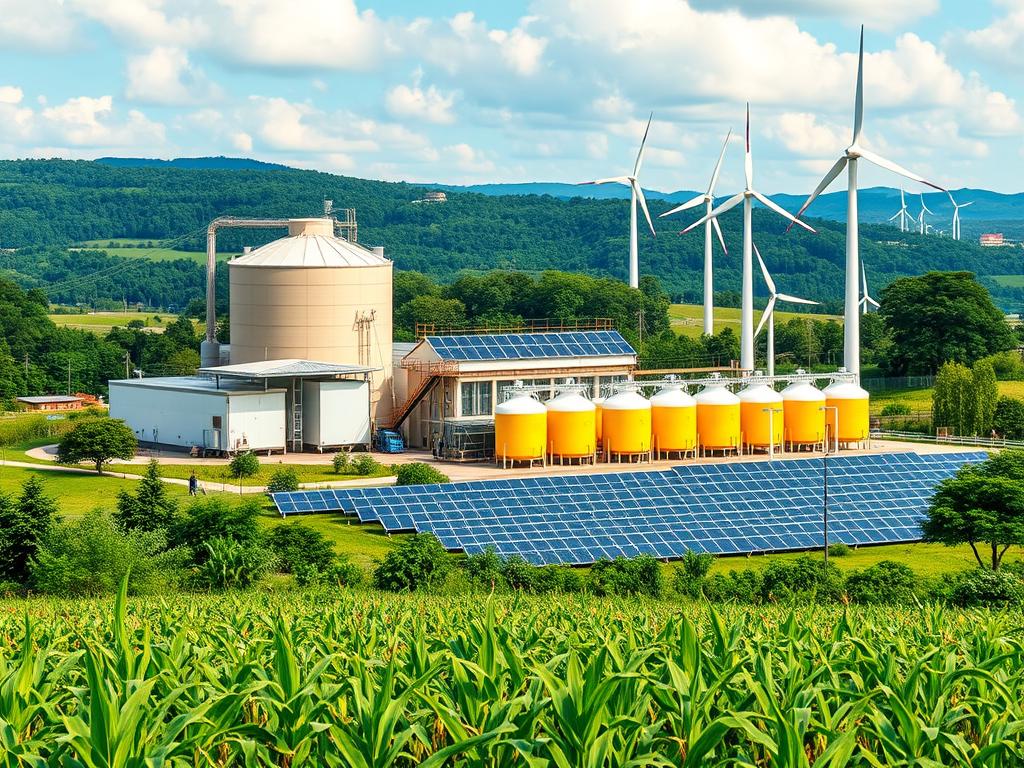
To wrap it up, biofuels offer many economic pluses. They create jobs, boost rural areas, and open up new income paths. These benefits help the economy grow and diversify, making biofuels a good choice for everyone.
Disadvantages of Biofuels
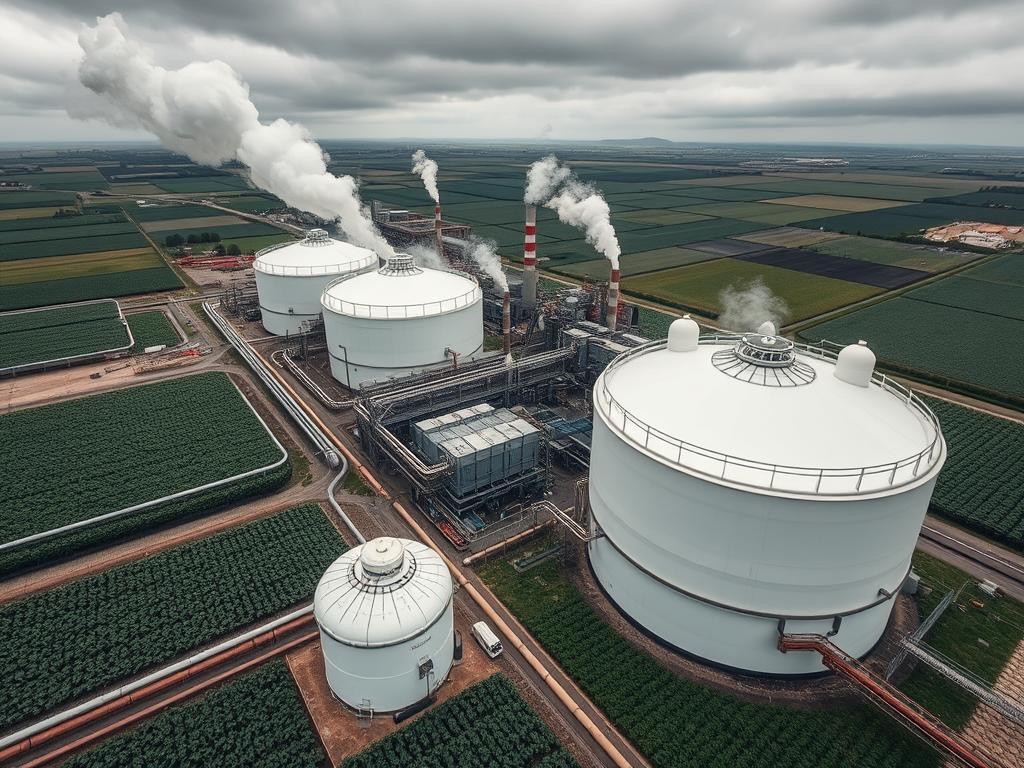
Biofuels are seen as a green energy option, but they have big downsides. One major issue is how they affect land use and food security. Growing crops for biofuels can take away land that should grow food, threatening food security worldwide.
Also, the push for more biofuel production has led to deforestation in some places. This is because forests are cut down to make room for biofuel crops. Such actions harm the environment, causing loss of biodiversity and upsetting natural balances.
| Disadvantage | Impact |
|---|---|
| Land Use | Diversion of agricultural land from food production to biofuel crops |
| Food Security | Potential for increased food prices and reduced food availability |
| Deforestation | Clearing of land for biofuel crop cultivation, leading to environmental degradation |
As biofuel demand rises, it’s vital for leaders and the industry to weigh its benefits against its drawbacks. They must focus on sustainable methods, use non-food crops, and plan land use wisely. This will help make biofuels a better choice for our energy needs.
Challenges in Biofuel Production
The production of biofuels faces big challenges. These include technological limits, cost, and how to make more. Solving these problems is key to making biofuels a common, green energy choice.
 Environmental education: The key to a sustainable future
Technological Advancements
One big challenge is finding better technology. Today’s biofuel making is often slow and uses a lot of resources. Scientists and inventors are working hard to find new ways to make biofuels faster and cheaper.
Cost-Effectiveness
Another big challenge is making biofuels affordable. Making biofuels can cost a lot. It needs special tools, a lot of energy, and resources. Finding ways to make it cheaper is important for biofuels to compete with fossil fuels.
Scalability
Scalability is also a big challenge. To meet the world’s growing need for biofuels, we need to make a lot more. This means we need to invest in more places to make and distribute biofuels. Solving these problems is key to making biofuels a big part of our energy mix.
To tackle these challenges, scientists are working hard. They’re improving how we make biofuels, making the process better and cheaper. They’re also looking for new ways to make biofuels more affordable and scalable.
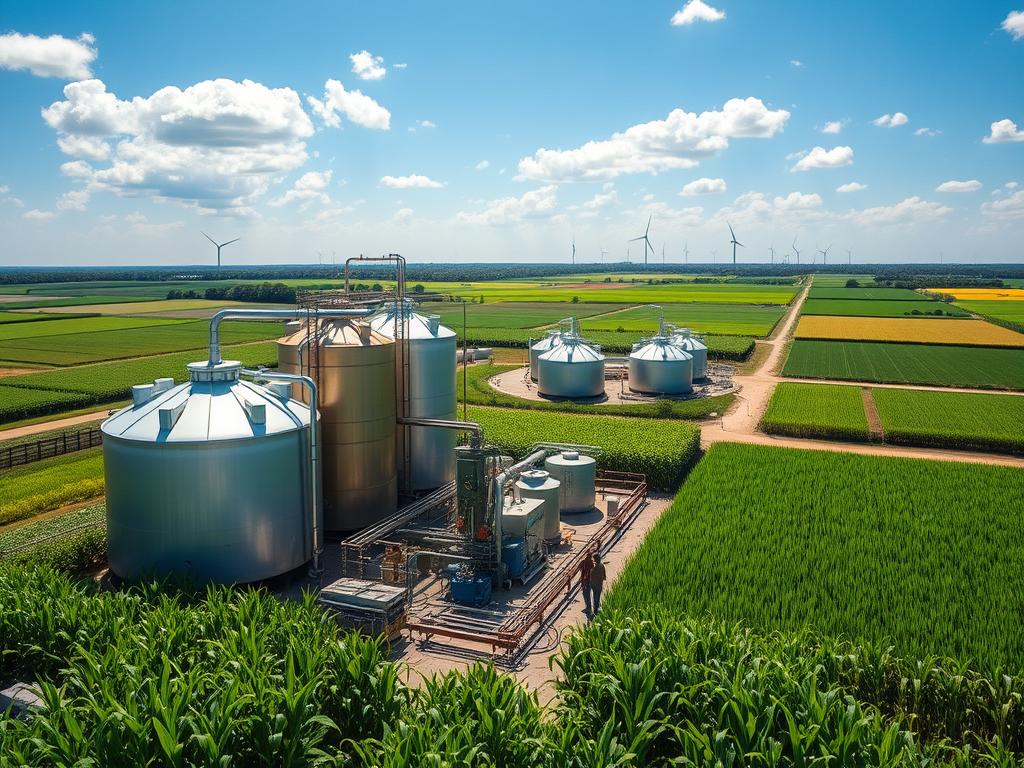
| Metric | Value |
|---|---|
| Microalgae carbon fixation | 40% of all photosynthetic plants |
| Microalgae global photosynthesis | 50% |
| Microalgae lipid content | 30-70% of cell dry biomass |
| Microalgae oil yield | More than a barrel per hectare |
| Algal biodiesel CO2 emissions | 78% less than fossil fuels |
Biofuels: Advantages and Disadvantages in Energy Production
Biofuels are seen as a good alternative to fossil fuels. They offer benefits and drawbacks in energy production. Policymakers and stakeholders need to think about these trade-offs carefully.
One big plus of biofuels is they can cut down on greenhouse gas emissions. They are a renewable and sustainable energy source. This is key as we face climate change.
Biofuels also help with energy security. They diversify the energy mix and reduce reliance on imported fossil fuels. This is good for countries wanting to be more self-sufficient in energy.
But, making biofuels has its own set of challenges. There are worries about land use and food security. Growing biofuel crops can take land away from food production. It’s important to find a balance to avoid harming food supplies and prices.
The cost of making biofuels is another issue. It can be more expensive than traditional fossil fuel methods. Making biofuels affordable is crucial for them to be a viable energy option.
The role of biofuels in energy production is complex. Policymakers and stakeholders must consider both sides. They aim to maximize benefits while minimizing drawbacks.
Future Outlook and Emerging Trends
The future of biofuels looks bright, thanks to new tech and methods. A recent report says the Global Next Generation Renewable Fuels market will grow from USD in 2023 to USD by 2030. This growth will be at a rate of % from 2024 to 2030.
Technological Advancements in Biofuel Production
Biofuel makers are always looking for better ways to work. They’re focusing on:
- Improving how they turn feedstocks into energy
- Using new feedstocks like algae to find more resources
- Getting better at making biofuels with enzymes and microbes
- Working with other industries to use resources better
Policies and Regulations for Biofuel Promotion
World governments are helping biofuels grow with new rules. These rules aim to boost the biofuel industry and cut down on fossil fuel use. Some key rules include:
- Setting targets for biofuels in car fuels
- Offering tax breaks and subsidies to biofuel makers and users
- Supporting research to improve biofuel tech
- Creating standards for biofuels to ensure they’re good for the planet
The market study shows the Next Generation Renewable Fuels market is growing fast. It’s divided into regions like North America and Asia Pacific. The main types of fuel are Cellulosic Ethanol and Renewable Diesel, among others.
| Fuel Type | Global Market Size (USD) | CAGR (%) |
|---|---|---|
| Cellulosic Ethanol | XX | XX |
| Biobutanol | XX | XX |
| Renewable Diesel | XX | XX |
| Biojet Fuels | XX | XX |
The report also names big players in the Next Generation Renewable Fuels market. Companies like Novozymes and DuPont are investing in new tech and products. They’re working together to grow the biofuel industry.
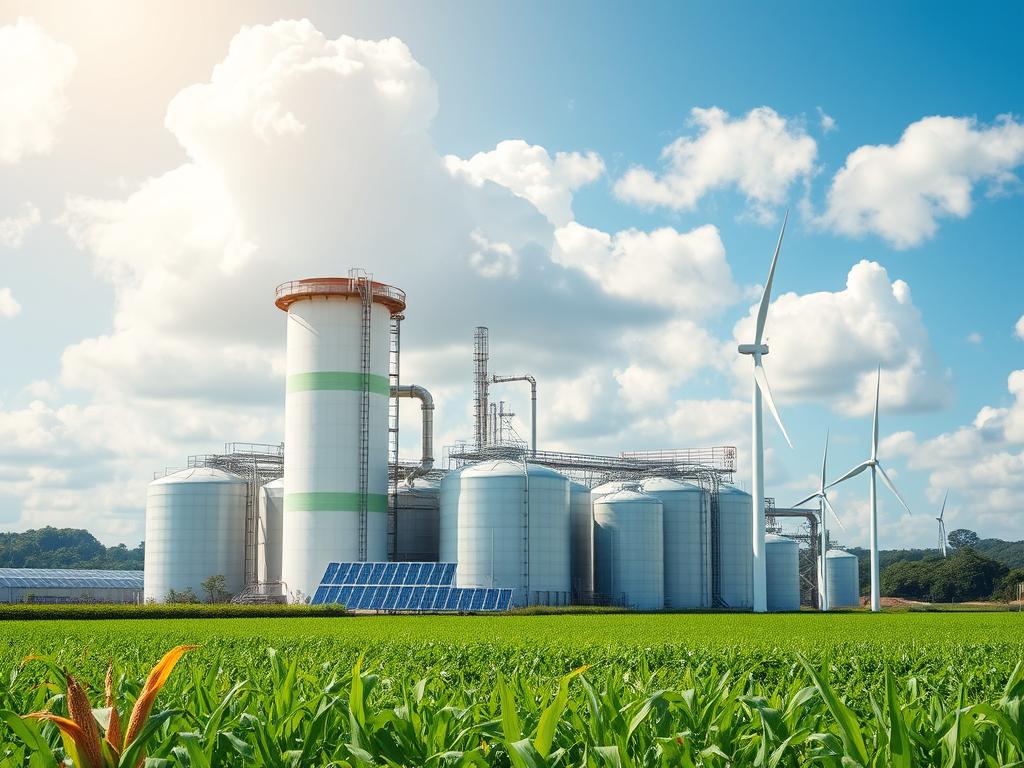
In summary, biofuels have a bright future ahead. New tech and government support are driving growth. As the industry grows, it will help solve global energy and environmental problems.
Conclusion
Biofuels are a great alternative to fossil fuels. They offer a renewable and sustainable energy source. They can help cut down greenhouse gas emissions and make energy more secure. But, we need to tackle the challenges of biofuel production, like land use and food security, to make energy production sustainable.
As technology and policies improve, biofuels’ role in the energy sector looks bright. They are key in our shift towards a greener energy future. By using renewable resources, biofuels can lessen our carbon footprint and reduce our dependence on fossil fuels. This leads to a cleaner and more secure energy future.
Despite the hurdles, biofuels’ benefits are clear. They are renewable, cut down on greenhouse gas emissions, and could bring economic gains. To fully tap into biofuels’ potential, we need more research, tech advancements, and the right policies. By finding a balance, we can make biofuels a major player in our sustainable energy future.
This article concludes by urging readers to support biofuels. They are crucial for our transition to a greener energy future. Let’s work together to make biofuels a key part of our sustainable energy mix.
 Sustainability: What does it mean and how to achieve it?


