
Internet of Things (IoT): Connecting the World

The Internet of Things (IoT) is changing how we use technology and live in the world. It’s a huge network of devices and systems that talk to each other. This makes our lives better and changes many industries.
IoT brings smart homes, cities, and factories to life. It makes things work better and helps us predict problems before they happen. This opens up new possibilities for us all.
Smart devices, sensors, and networks are key to the IoT. They let machines talk to each other without us. In the late 2000s, more people got online and sensors got cheaper.
This made IoT possible in many areas. Now, we have smart lights and security systems that know who you are. Even your fridge can suggest recipes for you.
IoT has also made healthcare better. Wearable trackers and smart devices help people with chronic conditions. In factories, IoT sensors help avoid expensive shutdowns by predicting problems.
What is the Internet of Things (IoT)?
The Internet of Things (IoT) is a network of physical devices and items. They have electronics, software, sensors, and connectivity. This lets them collect and share data. At its heart, IoT is about connecting everything, making smart decisions, and automating tasks.
Definition and Key Concepts
The IoT definition is about linking different devices and systems. They can talk to each other and share data. This makes it easier to monitor, control, and improve these devices. It leads to better efficiency, convenience, and decision-making.
- Ubiquitous connectivity: IoT connects devices, sensors, and systems everywhere. This creates a huge network of “things” that can talk to each other and the digital world.
- Data-driven decision making: IoT devices and sensors collect data. This data helps make smart choices and improve processes.
- Intelligent automation: IoT technology automates tasks. It lets smart devices work on their own, adapting to changes and user needs.
The Evolution of IoT Technology
The IoT technology has grown thanks to new sensors, wireless tech, cloud computing, and big data analytics. These advancements have made systems more complex and connected. Now, devices, sensors, and machines can work together seamlessly.
| IoT Technology Evolution | Key Advancements |
|---|---|
| Sensors | Improved accuracy, miniaturization, and energy efficiency |
| Wireless Communication | Emergence of low-power, long-range protocols (e.g., LoRaWAN, NB-IoT) |
| Cloud Computing | Scalable data storage and processing capabilities |
| Big Data Analytics | Advanced algorithms and techniques for extracting insights from IoT data |
These advancements have made IoT more popular and widespread. They’ve led to new solutions and applications. These are changing industries and daily life in big ways.
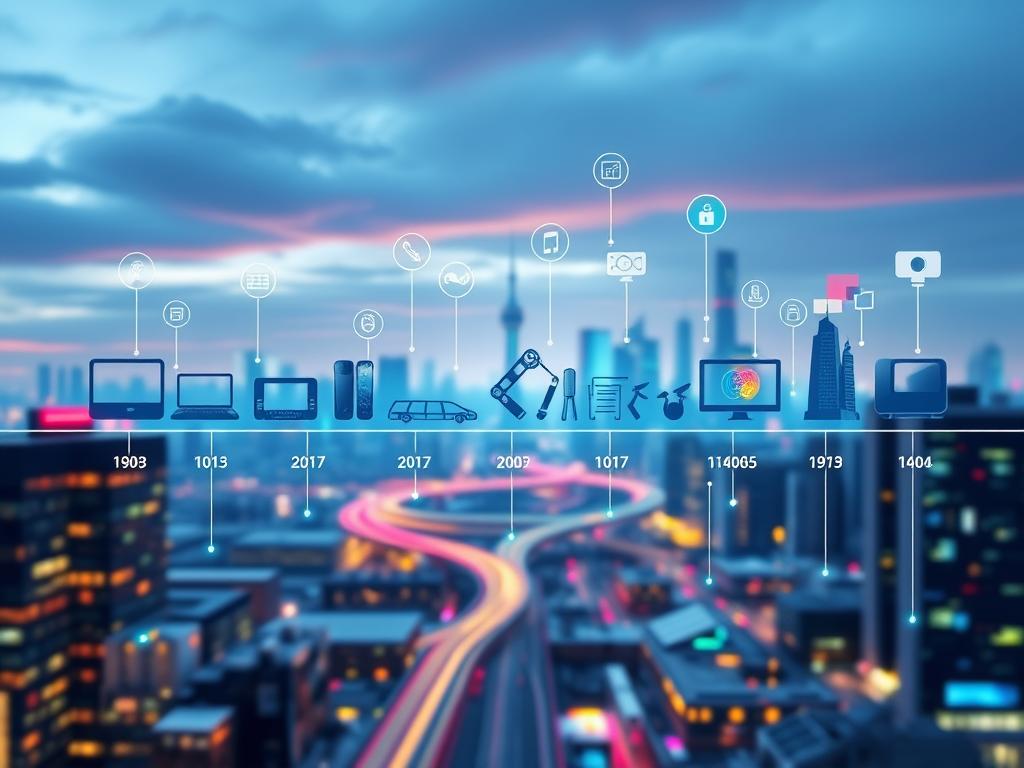
Revolutionizing Connectivity with IoT
The Internet of Things (IoT) is changing how we talk and interact with our surroundings. At its core is the ability of machines to talk to each other without us. This lets IoT devices share data and work together to make things more efficient.
Seamless Machine-to-Machine Communication
IoT lets devices send and receive info on their own. This means we can have automated systems that work better than ever before. From checking how well machines are doing to smart homes that know what we need, it’s all about machines talking to each other.
Enabling Smart Homes and Cities
IoT is making homes and cities smarter. It automates tasks like controlling lights and keeping us safe. This not only saves energy but also makes our lives better.
IoT also helps city planners make better choices. They get real-time data from sensors. This helps them plan cities that work better for everyone.
IoT is changing how we live and work. It makes things more efficient and opens up new ways to use data. As it keeps getting better, we’ll see even more changes in how we connect and experience the world.
| Key Benefits of IoT Connectivity | Examples |
|---|---|
| Automation and Optimization |
|
| Enhanced Data-Driven Insights |
|
| Improved Quality of Life |
|

IoT Platforms: The Backbone of Connected Devices
As the IoT ecosystem grows, IoT platforms are key. They connect and manage data from many devices. These platforms help us use the data from IoT devices effectively.
IoT platforms have many features. They support the whole IoT journey. This includes:
- Device management: They help manage devices from start to finish. This ensures they work well and stay safe.
- Data ingestion and integration: They collect and process data from various devices. This helps us understand everything better.
- Analytics and insights: They use advanced tech to find valuable information. This helps make better decisions.
- Application development: They provide tools for creating IoT apps. This lets businesses make unique solutions.
Using IoT platforms, companies can reach their full potential. They improve how things work, customer service, and business results.
The importance of IoT platforms will grow as the IoT world changes. Businesses that use these platforms will lead the way. They will use the Internet of Things to change and grow.
The Role of Sensors in the internet of things (IoT)
Sensors are key in the IoT world, helping us collect data from the physical world. They pick up on things like temperature, humidity, motion, and how close things are. This data helps us monitor, automate, and improve many processes in different fields.
Types of Sensors and Their Applications
IoT devices have many sensors, each for a specific type of data. For example:
 Autonomous Vehicles: The Transportation Revolution
- Temperature sensors watch over the environment in places like data centers, manufacturing, and cars
- Humidity sensors keep an eye on moisture levels for smart farming and keeping air clean indoors
- Motion sensors track movement for security, automation, and tracking in smart homes and cities
- Proximity sensors help with services and detecting objects in industrial and consumer IoT devices
These sensors are used in many IoT areas, like making things work better and predicting when things might break. They help businesses and people make better choices, work more efficiently, and improve things overall.
As IoT tech gets better, so do these sensors. They’re getting smarter with help from artificial intelligence and machine learning. This means we can analyze data and make smarter choices. It’s changing how we live and interact with our surroundings.
Industrial Applications of the Internet of Things
The Internet of Things (IoT) has changed the industrial world. It brings smart manufacturing and automation. Industrial IoT solutions help companies watch over their equipment. They can see when something might break and plan maintenance, saving money and keeping things running smoothly.
Smart Manufacturing and Automation
IoT makes smart manufacturing systems better. These systems use sensors, data, and smart automation to make production smoother. They connect machines, materials, and workers, making everything more visible and flexible.
Predictive maintenance uses IoT and machine learning to guess when equipment might fail. This way, companies can fix things before they break down. It cuts down on unexpected stops and makes the most of what they have.
Predictive Maintenance and Asset Tracking
Predictive maintenance and asset tracking use IoT to keep an eye on industrial assets all the time. Sensors in equipment send data that helps predict problems. This means less unexpected failures and better maintenance plans.
It also helps keep equipment and inventory in check. This gives companies a clear view of their supply chain. It makes things more efficient and reliable.
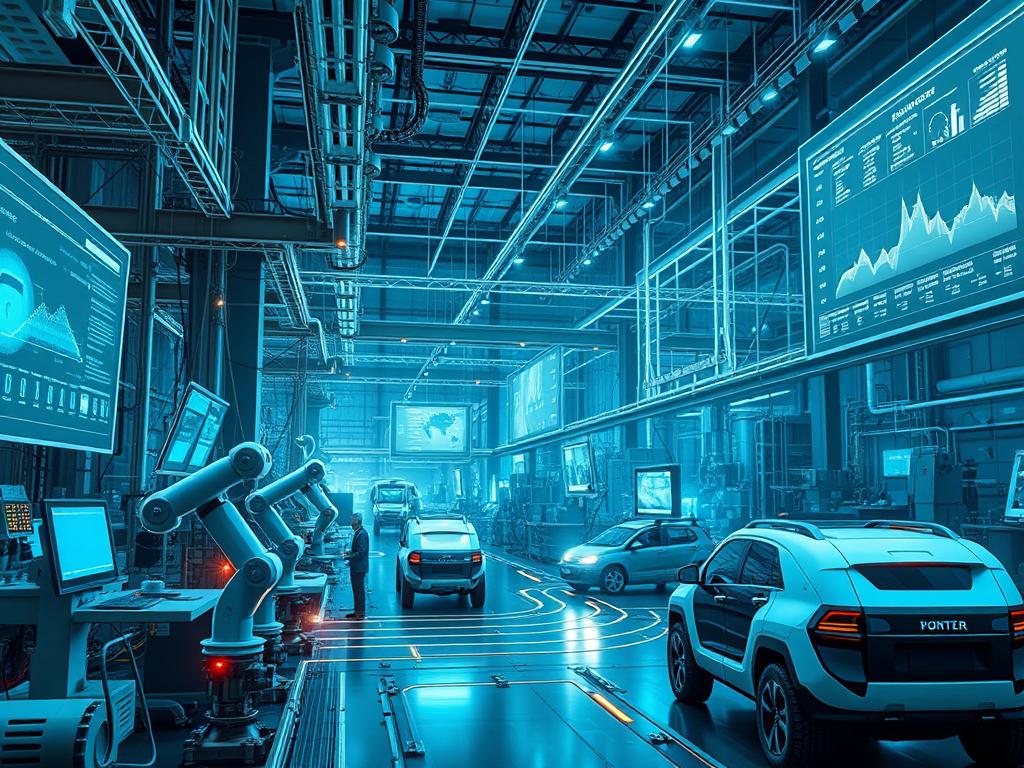
| Key Industrial IoT Applications | Benefits |
|---|---|
| Smart Manufacturing and Automation | Optimized production, reduced downtime, and improved efficiency |
| Predictive Maintenance | Proactive equipment monitoring, extended asset lifespan, and cost savings |
| Asset Tracking | Visibility and control across the supply chain, enhanced inventory management |
Consumer IoT: Enhancing Daily Life
The Internet of Things (IoT) has changed our daily lives. It offers devices that make our lives easier, more efficient, and healthier. From smart homes to wearable tech, IoT’s impact is clear.
Wearable Technology and Health Monitoring
Wearable devices like fitness trackers and smartwatches are now a big part of our lives. These connected devices help us take better care of our health. They track our vital signs, activity, and sleep, giving us insights to improve our lifestyle.
For instance, wearable technology can spot falls in the elderly, a major cause of injury. It uses sensors and algorithms to detect falls and alert caregivers. This consumer IoT tech keeps older adults safe and independent, giving them peace of mind.
Consumer IoT devices also connect to smart homes, controlling lights, security, and appliances. This mix of wearable technology and smart home features makes our homes more comfortable, energy-saving, and lifestyle-enhancing.

The consumer IoT market is growing, with new tech like advanced sensors and machine learning. These advancements will change how we manage our health, automate our homes, and improve our daily lives.
IoT Analytics: Unlocking Data-Driven Insights
The data from IoT devices is very valuable. IoT analytics platforms help unlock data-driven insights. These platforms mix data from different sources, use advanced analytics, and give insights that help businesses grow.
For example, predictive maintenance with IoT can cut maintenance costs by 12% and make equipment last 20% longer in manufacturing. Also, IoT can lower energy costs by 15% in utilities and manufacturing.
In logistics, IoT helps cut inventory costs by 25% by avoiding overstocking or stockouts. It also cuts fuel costs by 30% by improving routes and monitoring vehicle performance.
By combining data from ERP, WMS, TMS, IoT devices, and CRM systems, AI-powered logistics analytics change logistics. They make it more agile, responsive, and smart. This leads to better business intelligence and decision making.
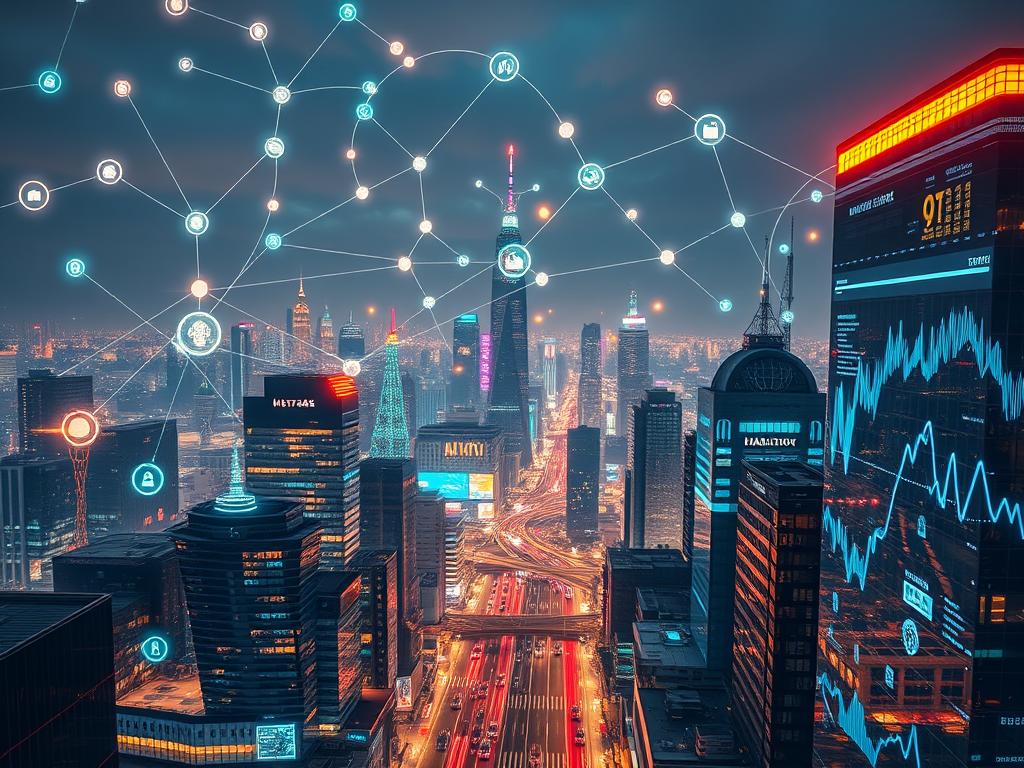
The industrial IoT market is growing fast, expected to hit $1.1 trillion by 2025. The role of IoT analytics in improving operational efficiency and getting data-driven insights will grow. Companies using these insights will stay ahead in the Internet of Things world.
Addressing IoT Security Concerns
The Internet of Things (IoT) is changing our world. It’s important to focus on security. IoT systems need strong encryption and authentication to keep data safe. Also, privacy and data protection are key to handling personal info responsibly.
Encryption and Authentication Mechanisms
IoT devices must use advanced encryption to protect data. Authentication methods like two-factor and biometric verification are vital. They help ensure only authorized devices and users can connect.
 Machine Learning: Machine Learning for the Future
Privacy and Data Protection
IoT devices collect a lot of personal data. It’s crucial to protect this information. IoT makers and service providers must use strong data protection measures. This includes secure storage, access controls, and clear data policies.
| Key IoT Security Concerns | Potential Consequences | Mitigation Strategies |
|---|---|---|
| Unauthorized Access | Device Hijacking, Data Breaches, Privacy Violations | Robust Authentication, Encryption, Secure Firmware Updates |
| Data Integrity Breaches | Manipulated Sensor Data, Disrupted IoT Services | Tamper-Resistant Hardware, Cryptographic Signatures |
| Distributed Denial-of-Service (DDoS) Attacks | Service Disruptions, Network Congestion | Secure Network Architecture, Intelligent Traffic Monitoring |
By tackling these IoT security issues, we can use IoT’s benefits safely. This protects our data and privacy in the connected world.

The Future of the Internet of Things
The Internet of Things (IoT) is set for a bright future. New trends and innovations will change how we connect with our world. This future is full of promise and excitement.
Emerging Trends and Innovations
One big change is the coming of 5G technology. It will make data transfer faster and lower latency. This means IoT devices will work better and faster.
Edge computing is another trend. It processes data closer to the source. This makes IoT applications more efficient and quick to respond.
Artificial intelligence (AI) and machine learning (ML) will also play a big role. They will help IoT devices make smarter choices. This will improve performance and give us more personalized experiences.
The Impact of 5G and Beyond
5G will be a major change for IoT. It will support new applications like real-time monitoring and virtual reality. As 5G grows, we’ll see even more advanced IoT innovations.
IoT devices are also getting better and using less energy. New designs and technologies will make IoT more seamless in our lives. It will blend technology into our daily routines smoothly.
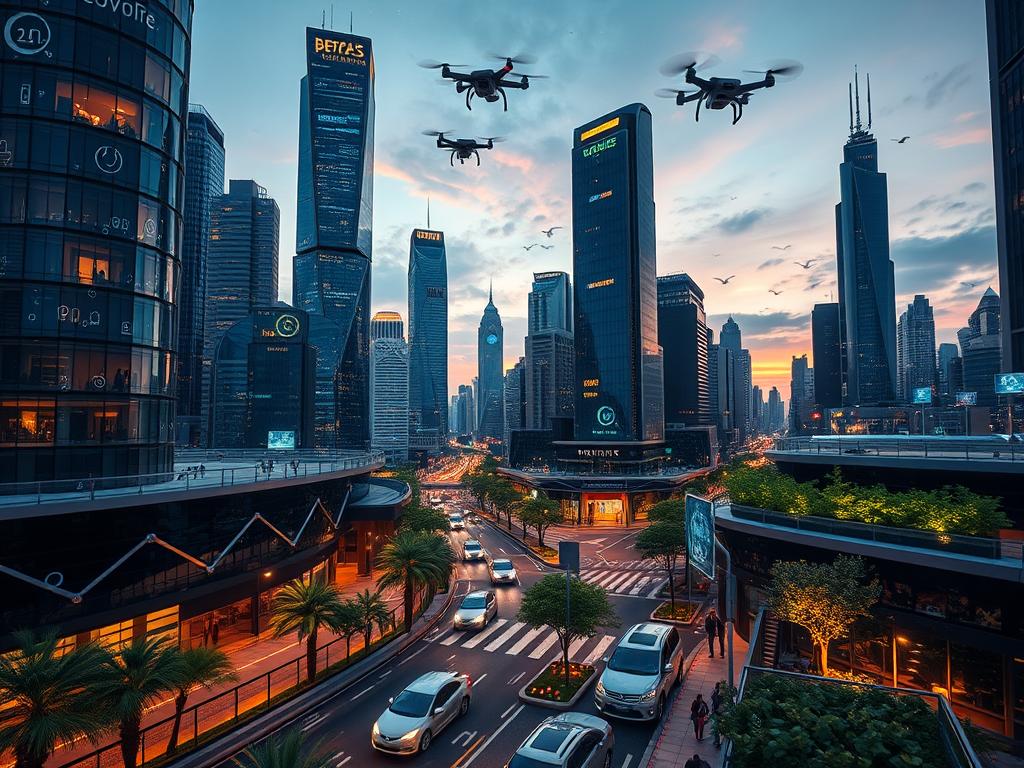
The Internet of Things is getting smarter and more connected. We’ll see a world where technology makes our lives better. The future of IoT is full of possibilities, and it’s going to be exciting.
Transparent Electronics: The Next Wave in IoT
The world of IoT (Internet of Things) is about to change with transparent electronics. This new tech will change how we use smart devices and connect with our surroundings. Transparent electronics make technology blend in, creating a future where tech and life mix smoothly.
Fully Transparent Technologies
Top companies are leading in making fully transparent electronics. They’re making smart devices and spaces that work well and look good. Imagine a world where phones, home gadgets, and even windows are clear, blending with their surroundings.
Applications in Smart Devices and Connected Environments
Transparent electronics are changing smart devices and spaces. They’re making smart homes and windows that do more than just look good. Picture a TV that’s part of your room or windows that let you control your connected environment with a touch.
The growth of transparent electronics will make IoT systems better. This will help the market growth of this emerging technology. As tech advances, our connected world will become clearer, smarter, and more beautiful.

IoT Market Growth and Opportunities
The global Internet of Things (IoT) market is growing fast. It’s expected to hit $4.70 billion by 2028, with a growth rate of 21.6% each year. This growth comes from more IoT connections, new technologies, and a higher demand for smart devices in many fields.
Key Players and Industry Landscape
The IoT industry has big names like Apple, Samsung, LG, and Panasonic leading the way. These companies are using the latest tech to make IoT solutions better. They aim to connect everything and make it smarter.
As the IoT market growth speeds up, new players are joining the scene. Existing ones are growing too. They’re spending a lot on research to create better IoT key players and products. This is making the market size and market trends even more exciting.

The IoT is changing how we live and work. It’s making machine-to-machine communication and smart home and city tech better. It’s also giving us valuable data insights. With the IoT market growth speeding up, the possibilities for using connected devices are huge.
Challenges and Considerations in IoT Adoption
The Internet of Things (IoT) is changing how we connect and transform industries. But, there are big challenges to overcome for IoT to be widely adopted. Security and privacy are major concerns as more devices connect. It’s vital to have strong IoT security to protect our data.
Another big issue is making IoT devices work together smoothly. The current IoT world is full of different systems, making it hard for them to talk to each other. We need common standards and open-source projects to solve this problem.
 Process Automation: Efficiency in Industry
IoT devices also create a lot of data, which is hard to manage. We need good ways to handle, store, and analyze this data. Companies must invest in the right tools and skills to make sense of IoT data and use it for business.


