

Air Pollution: Causes and Effects

What is Air Pollution?
Air pollution occurs when harmful substances, including chemicals, particulates, and biological materials, are introduced into the Earth’s atmosphere, leading to adverse effects on the environment and human health. These pollutants can come from natural sources, such as volcanic eruptions, but the majority are caused by human activities. The result is a degradation of air quality, which can lead to severe consequences for ecosystems and living organisms.
Air pollution is a global issue that affects both urban and rural areas, and understanding its causes and effects is crucial for addressing this environmental challenge.
Primary Causes of Air Pollution

Air pollution is caused by a variety of human and natural sources, each contributing different pollutants into the atmosphere. Some of the primary causes of air pollution include:
Fossil Fuel Combustion
The burning of fossil fuels like coal, oil, and natural gas is the leading cause of air pollution worldwide. Power plants, factories, vehicles, and homes that rely on these fuels emit large amounts of pollutants such as carbon dioxide (CO2), sulfur dioxide (SO2), nitrogen oxides (NOx), and particulate matter (PM).
- Transportation: Automobiles, trucks, airplanes, and ships release significant amounts of CO2 and nitrogen oxides. In particular, urban areas suffer from high levels of pollution due to traffic congestion.
- Industry and Power Generation: Factories and power plants that rely on coal and oil generate not only CO2 but also sulfur dioxide and mercury, which can lead to acid rain and contaminate water sources.
Agricultural Activities
Agriculture is another major contributor to air pollution, particularly through the use of pesticides, herbicides, and fertilizers. These chemicals can volatilize and enter the atmosphere, creating ammonia emissions, which are a major component of particulate matter pollution.
- Livestock farming also releases large amounts of methane (CH4), a potent greenhouse gas that contributes to global warming and climate change.
- Deforestation for agricultural expansion reduces the Earth’s capacity to absorb carbon dioxide, exacerbating the problem of air pollution.
Waste Disposal and Treatment
Landfills and waste incineration plants emit significant amounts of pollutants. Organic waste in landfills decomposes anaerobically, producing methane, while incineration processes release toxic chemicals like dioxins and heavy metals into the air.
- Open burning of waste is particularly harmful, as it emits large amounts of carbon monoxide (CO), particulate matter, and volatile organic compounds (VOCs), which can severely affect air quality.
Natural Sources
Though human activities are the main cause of air pollution, some natural events also contribute:
- Volcanic eruptions release sulfur dioxide, ash, and particulate matter into the atmosphere.
- Wildfires emit large quantities of carbon dioxide, carbon monoxide, and nitrogen oxides.
- Dust storms in arid regions can lead to high concentrations of particulate matter that degrade air quality.
Types of Air Pollutants
The pollutants released into the atmosphere can be classified into different categories based on their sources and impacts. Some of the most dangerous types of air pollutants include:
Particulate Matter (PM)
Particulate matter consists of tiny solid or liquid particles suspended in the air. It can be classified into:
- PM10: Particles with a diameter of 10 micrometers or less, which can cause respiratory issues.
- PM2.5: Finer particles with a diameter of 2.5 micrometers or less, which can penetrate deep into the lungs and enter the bloodstream, leading to cardiovascular and respiratory diseases.
Ground-Level Ozone (O3)
Ozone at ground level is created by chemical reactions between nitrogen oxides (NOx) and volatile organic compounds (VOCs) in the presence of sunlight. Although ozone is beneficial in the upper atmosphere, at ground level it is a major component of smog and can cause respiratory problems and exacerbate conditions like asthma.
 Acid Rain: Causes, Effects, and Solutions
 Sulfur Dioxide (SO2)
Produced mainly from burning fossil fuels, particularly in power plants, sulfur dioxide can lead to acid rain, which damages ecosystems, soils, and water bodies. SO2 also irritates the respiratory system, leading to illnesses like bronchitis and aggravating existing heart conditions.
Nitrogen Oxides (NOx)
Emitted from vehicles, power plants, and industrial facilities, nitrogen oxides contribute to the formation of smog and acid rain, and are harmful to human health and the environment.
Carbon Monoxide (CO)
This odorless and colorless gas is produced by incomplete combustion of fossil fuels. High levels of CO can be deadly, as it reduces the ability of the blood to carry oxygen.
Lead
Once commonly used in gasoline and paints, lead is a toxic metal that can cause neurological damage, particularly in children. Though regulations have reduced its presence in the air, industrial processes and waste incineration still release some lead into the atmosphere.

Effects of Air Pollution on Human Health
Air pollution has severe consequences for human health, contributing to millions of premature deaths worldwide each year. Some of the major health effects include:
Respiratory and Cardiovascular Diseases
Long-term exposure to pollutants such as particulate matter (PM2.5 and PM10), ground-level ozone, and nitrogen oxides can lead to:
- Asthma and chronic obstructive pulmonary disease (COPD).
- Lung cancer and cardiovascular diseases, including heart attacks and strokes.
- Premature deaths due to respiratory complications.
Children, the elderly, and individuals with preexisting conditions are particularly vulnerable to the health impacts of air pollution.
Impaired Cognitive Function
Emerging research has linked air pollution to impaired cognitive development in children and cognitive decline in adults. Exposure to high levels of pollutants like lead, particulate matter, and nitrogen oxides has been associated with lower IQs, memory problems, and an increased risk of dementia.
Pregnancy Complications
Pregnant women exposed to high levels of air pollution are at a higher risk of complications, such as premature birth, low birth weight, and developmental issues in children.
Environmental Effects of Air Pollution
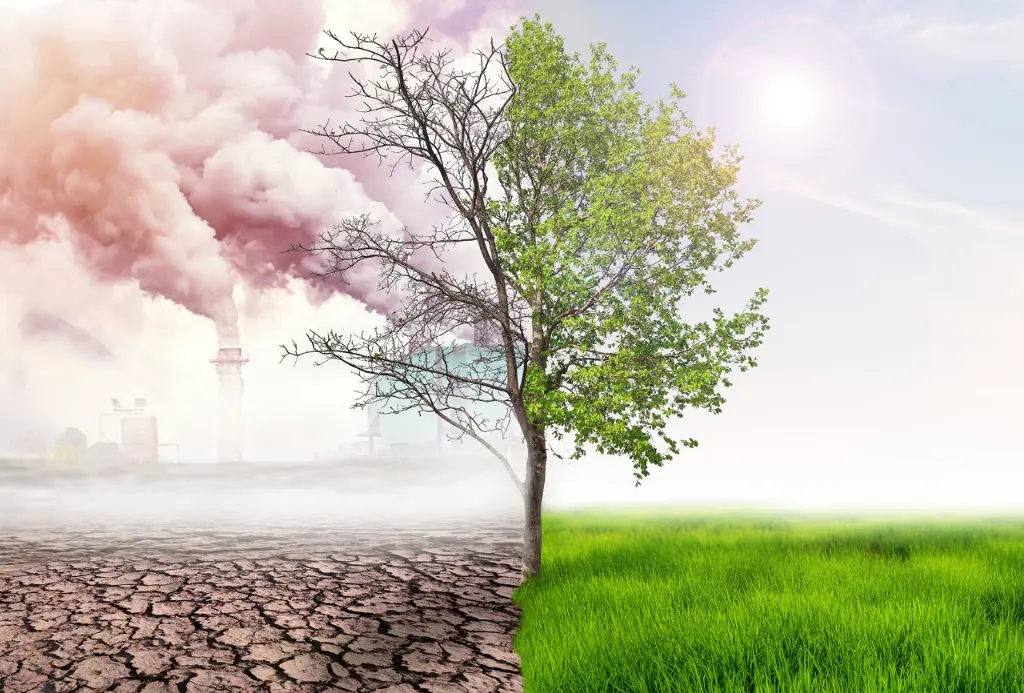
Beyond human health, air pollution has devastating impacts on the environment. Some of the most significant environmental effects include:
 The Rise of Biodegradable Plastics
 Climate Change
Greenhouse gases such as carbon dioxide (CO2), methane (CH4), and nitrous oxide (N2O) contribute to the warming of the Earth’s atmosphere, leading to global climate change. Rising temperatures cause extreme weather events, disrupt ecosystems, and threaten biodiversity.
Acid Rain
When sulfur dioxide (SO2) and nitrogen oxides (NOx) react with water vapor in the atmosphere, they form acid rain. Acid rain can damage forests, harm aquatic ecosystems, and erode buildings and monuments.
Ozone Depletion
Certain pollutants, particularly chlorofluorocarbons (CFCs), contribute to the depletion of the ozone layer, which protects life on Earth from harmful ultraviolet (UV) radiation. Ozone depletion increases the risk of skin cancer and cataracts in humans, as well as harming marine life and ecosystems.
Solutions to Air Pollution
Addressing air pollution requires concerted efforts from governments, industries, and individuals. Some key solutions include:
Transition to Renewable Energy
Shifting from fossil fuels to renewable energy sources like solar, wind, and hydroelectric power can significantly reduce air pollution by cutting down emissions of harmful pollutants.
Energy Efficiency and Conservation
Improving energy efficiency in industries, homes, and transportation can reduce the demand for energy and lower emissions. Promoting public transportation, cycling, and electric vehicles are also important steps in reducing air pollution.
Regulation and Policy
Governments play a critical role in combating air pollution through:
- Enforcing emission standards for vehicles and industries.
- Promoting clean technologies.
- Implementing air quality monitoring systems and policies that restrict the use of harmful chemicals.
Public Awareness and Individual Action
Individuals can help reduce air pollution by:
- Using energy-efficient appliances and reducing electricity consumption.
- Driving less and opting for public transportation, carpooling, or walking.
- Reducing waste and recycling to minimize the need for incineration and landfill use.
Air pollution is a complex environmental issue with far-reaching impacts on human health, ecosystems, and the global climate. Understanding its causes and effects is the first step toward finding solutions. By adopting cleaner technologies, improving policies, and taking individual actions, we can mitigate air pollution and work toward a healthier, more sustainable future.
 Carbon Dioxide Capture, Removal, and Valorisation


