
Neuroplasticity and Cognitive Recovery After Traumatic Brain Injury

Traumatic Brain Injury (TBI) is a serious condition caused by outside forces. It leads to problems with thinking, moving, and feeling. TBI is divided into mild, moderate, or severe types based on symptoms and tests.
TBI is a big reason for disability and death, especially among young and older people. Males are more likely to get TBI from falls, car accidents, and sports. The Glasgow Coma Scale (GCS) helps doctors measure how severe TBI is, from 3 to 15.
The brain’s ability to change and adapt is called neuroplasticity. This lets healthy brain cells near the injury make new connections. This can help improve brain function. Therapy like cognitive therapy, motor imagery, and virtual reality can help activate damaged brain areas.
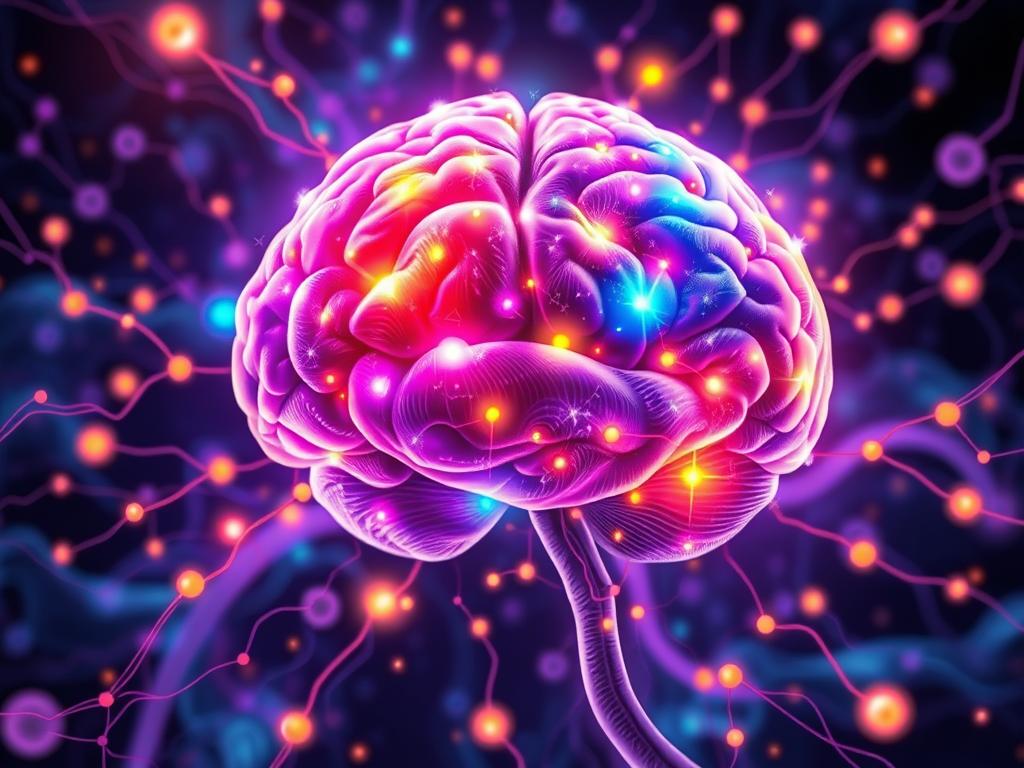
Healthcare experts use neuroplasticity to create special treatment plans for TBI patients. This helps with thinking and overall recovery. We will explore how the brain can heal and adapt through different therapies.
Understanding Traumatic Brain Injury: Mechanisms and Initial Impact
Traumatic brain injury (TBI) is a serious condition that affects many areas of life. It can change how a person thinks, moves, and feels. To grasp TBI, we need to look at what causes it and how it starts.
Classifications of TBI Severity
TBI is divided into mild, moderate, or severe types. This depends on how long someone was unconscious, their Glasgow Coma Scale (GCS) score, and if they have brain damage. The GCS score, from 3 to 15, helps doctors check how well someone’s brain is working.
Common Causes and Risk Factors
TBI can happen in many ways, like falls, car accidents, sports injuries, or fights. Men are more likely to get a TBI, especially from falls, especially in older men.
Immediate Neurological Effects
The first effects of TBI can be severe and varied. They might include headaches, feeling confused, and trouble remembering things. Damage to important brain parts can also affect how we think, feel, and move.
| TBI Severity Level | GCS Score | Loss of Consciousness | Immediate Neurological Effects |
|---|---|---|---|
| Mild | 13-15 | 0-30 minutes | Headache, confusion, temporary memory loss |
| Moderate | 9-12 | 30 minutes to 24 hours | Disorientation, difficulty concentrating, potential brain hemorrhage |
| Severe | 3-8 | More than 24 hours | Coma, seizures, profound cognitive and physical impairments |
Knowing how TBI works and its first effects is key. It helps us find ways to help people recover. This includes Neuronal Reorganization, Functional Recovery, and Cognitive Rehabilitation.
The Science Behind Neural Adaptation and Recovery
The brain’s ability to change and adapt is key to recovery after a traumatic brain injury (TBI). This process, called neuroplasticity, lets healthy neurons near the injury make new connections. This leads to better brain function. The balance between brain damage, inflammation, and adaptability is vital for recovery.
Rehabilitation uses neuroplasticity to wake up damaged brain parts. But, severe injuries or ongoing neuroinflammation can stop these changes. This can cause lasting problems with thinking, moving, and emotions.
It’s important to understand brain rewiring after TBI to create effective treatments. By knowing how injury, inflammation, and adaptability work together, doctors can help patients recover better.
| Key Factors in Neural Adaptation and Recovery |
|---|
| Neuroplasticity: The brain’s ability to reorganize and form new connections |
| Neuroinflammation: Immune response and inflammation following TBI |
| Brain Damage: The severity and location of the traumatic injury |
| Rehabilitation Techniques: Methods that activate damaged brain regions |
| Clinical Outcomes: Improvements in cognitive, motor, and emotional function |
Understanding these factors helps doctors create treatment plans that support the brain’s adaptability. This way, they can help people with TBI recover as well as possible.
Neuroplasticity in Traumatic Brain Injury Recovery
Neuroplasticity is the brain’s amazing ability to change and adapt. It’s key in recovering from a traumatic brain injury (TBI). The brain makes new connections and changes how it works to help heal.
Synaptic Plasticity Mechanisms
After a TBI, the brain starts to fix itself. It creates new connections and makes old ones stronger. This helps the brain talk to itself again and recover.
Neural Reorganization Patterns
The brain changes in amazing ways after a TBI. Areas that weren’t hurt start to do the jobs of damaged areas. This helps the brain recover and work better.
Timeline of Neural Adaptation
The time it takes for the brain to adapt after a TBI varies. It starts right after the injury and can take months or years. How fast and how much it changes depends on the injury, age, and rehab efforts.
Role of Neuroinflammation in Recovery Processes
Neuroinflammation is key in traumatic brain injury (TBI) recovery. At first, it helps clean up debris and start healing. But, too much inflammation can harm more, leading to brain decline and diseases.
Important inflammatory agents in TBI recovery are TNF-α, IL-1β, and IL-6. These cytokines can cause cell death and damage the blood-brain barrier. This barrier is vital for a healthy brain. Chronic inflammation messes with Neuronal Reorganization, Neural Adaptability, and Cognitive Rehabilitation.
But, some inflammation is good for healing and nerve growth. The goal is to find the right balance. Anti-inflammatory drugs and stem cell treatments might help manage inflammation and aid in TBI recovery.
 What are the most innovative topics in neuroscience today?
Understanding neuroinflammation’s role in TBI recovery helps doctors create better treatments. This can improve healing and outcomes for those with TBI.
Cognitive Rehabilitation Techniques and Strategies
Cognitive rehabilitation is key for recovery after a traumatic brain injury (TBI). It uses the brain’s ability to change and make new connections. This helps rebuild lost cognitive functions.
Memory Enhancement Exercises
Memory exercises aim to boost both short-term and long-term memory. Activities like mnemonic devices, memory games, and repetition help the brain. They improve its ability to store and remember information.
Attention Training Programs
Attention training programs help improve focus and concentration. These skills are often lost after a TBI. Exercises help people learn to focus better, handle multiple tasks, and ignore distractions.
Executive Function Development
Strategies for executive function aim at skills like planning and problem-solving. Activities that challenge these areas help rebuild the brain’s pathways. This way, people can think more clearly and handle complex situations.
New technologies like virtual reality and neurofeedback are making cognitive rehab more effective. These tools offer personalized and engaging ways to help the brain adapt. They support functional recovery and improve cognitive rehabilitation results.
| Cognitive Rehabilitation Technique | Targeted Cognitive Function | Potential Benefits |
|---|---|---|
| Memory Enhancement Exercises | Short-term and long-term memory | Improved ability to store and recall information |
| Attention Training Programs | Sustained attention, divided attention, and resistance to distractions | Enhanced focus and concentration for everyday tasks |
| Executive Function Development | Planning, decision-making, and problem-solving | Regained ability to navigate complex, real-world situations |
Brain-Derived Neurotrophic Factor and Recovery
Traumatic Brain Injury (TBI) recovery is linked to the brain’s ability to adapt and rewire itself, known as neuroplasticity. A key protein, brain-derived neurotrophic factor (BDNF), plays a crucial role. It helps grow new brain cells and strengthen neural connections, vital for recovery.
TBI can lower BDNF levels, slowing down the brain’s healing. But, research shows that boosting BDNF can greatly improve recovery. Studies have found that exercise and some medications can enhance cognitive recovery.
BDNF is key in making the brain adaptable. This understanding helps in creating better treatments for TBI. It supports the brain’s ability to repair itself after injury.
As scientists learn more about neuroplasticity and TBI recovery, new BDNF-based therapies emerge. These therapies aim to tap into the brain’s healing powers. They offer hope for better treatments and a higher quality of life for TBI patients.
Modern Therapeutic Approaches for Neural Regeneration
Researchers are learning more about how the brain heals after a traumatic injury. They are finding new ways to help the brain recover. These new methods use Neuroplasticity, Cognitive Rehabilitation, and Functional Recovery to help the brain heal.
Virtual Reality Applications
Virtual reality (VR) is changing how we help people with brain injuries. It lets them practice in a safe, virtual world. This helps them get better at thinking and moving.
Therapists can make VR experiences just for each person. This way, they can focus on what each person needs to improve.
Neurofeedback Training
Neurofeedback lets people see and control their brain activity. It helps them learn to manage their brain better. This can improve how they think, feel, and move.
It’s a way for people to help their brain heal on their own. This can lead to better memory and attention.
Non-Invasive Brain Stimulation
Methods like transcranial magnetic stimulation (TMS) and transcranial direct current stimulation (tDCS) are new. They don’t hurt the brain but can help it heal. They work by making damaged areas of the brain work better.
By using these methods with therapy, doctors can help the brain get better. This helps the brain adapt and recover.
These new ways of helping the brain show how far we’ve come. They use the latest technology to help people with brain injuries. This helps them get better at thinking and moving.
The Impact of Early Intervention on Recovery Outcomes
Early treatment after a traumatic brain injury (TBI) is key. It helps a lot with Cognitive Rehabilitation and Neural Adaptability. Quick medical care can prevent more damage and help with better recovery later on.
Research shows early, intense rehab leads to better results. 77% of patients at Cognitive FX saw big improvements in their symptoms. The brain is most flexible right after the injury, making early therapy very effective.
The best time for recovery is short, usually 3-6 weeks. Quick and thorough care is vital during this time. Over 30 years, patients with head injuries made remarkable progress during and after treatment, showing early help is crucial.
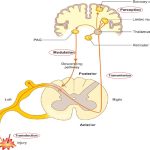 Neural Mechanisms of Pain Perception and Modulation
After a concussion, the autonomic nervous system can get messed up. This affects heart rate, blood pressure, and breathing. Early therapy can help fix these problems and make recovery smoother.
In summary, when we treat TBI early, we get better results. Early and intense rehab takes advantage of the brain’s flexibility. It helps a lot with Cognitive Rehabilitation, Functional Recovery, and Neural Adaptability. Quick and thorough care is key for the best recovery after a TBI.
Biomarkers and Monitoring Progress in TBI Recovery
Traumatic brain injury (TBI) can cause many problems, including cognitive, physical, and psychosocial issues. Recovery is complex. But, medical research has given us tools to measure TBI severity and track recovery. These tools, called biomarkers, help guide treatment and predict outcomes for TBI patients.
Neuroimaging Techniques
Neuroimaging, like MRI and PET scans, is key in checking brain changes after TBI. These scans show injury extent, neuroplasticity, and brain adaptation. This helps doctors tailor rehabilitation plans based on the brain’s recovery.
Blood-Based Markers
Blood biomarkers, like S100 Calcium-binding Protein B (S100B) and Glial Fibrillary Acidic Protein (GFAP), are also important. They show injury severity and neurological impairment. Monitoring these biomarkers helps doctors understand recovery and make treatment decisions.
Using neuroinflammation and neuroplasticity markers gives a full picture of recovery. As inflammation goes down and neuroplasticity goes up, it shows the brain’s recovery. This guides treatment and shows progress in cognitive rehabilitation and functional recovery.
Early detection and monitoring of biomarkers improve rehabilitation outcomes. It helps doctors quickly understand the injury and tailor treatments. By combining neuroimaging and blood markers, healthcare professionals can better understand and improve TBI recovery.
Lifestyle Factors Affecting Neural Recovery
Recovering from a traumatic brain injury (TBI) is complex. It’s not just about medical treatment. Your lifestyle choices play a big role in neuroplasticity, cognitive rehabilitation, and functional recovery. Let’s see how certain lifestyle choices can help the brain heal and adapt.
Regular exercise boosts neuroplasticity and improves thinking skills. Even light exercise can help by releasing a key brain growth factor.
Eating right, especially foods high in omega-3 fatty acids and antioxidants, is good for the brain. These nutrients fight inflammation and help repair brain cells.
Adequate sleep is key for brain repair and learning. Sleep helps the brain process memories and adapt, which is crucial for recovery.
Stress management techniques like mindfulness and meditation are helpful. They reduce inflammation and support brain health, making recovery easier.
Lastly, staying active socially and mentally helps a lot. Activities like learning new things keep the brain flexible and strong. This leads to better recovery.
| Lifestyle Factor | Impact on Neural Recovery |
|---|---|
| Regular Exercise | Promotes neuroplasticity and cognitive function |
| Proper Nutrition | Supports brain health and reduces inflammation |
| Adequate Sleep | Facilitates neural repair and cognitive consolidation |
| Stress Management | Reduces inflammation and supports overall brain health |
| Social Engagement and Cognitive Stimulation | Enhances neuroplasticity and maintains cognitive reserve |
By adding these lifestyle factors to your recovery plan, you can help your brain heal and adapt. This increases your chances of full cognitive rehabilitation and functional recovery.
Future Directions in TBI Treatment and Research
Understanding traumatic brain injury (TBI) is getting better. New technologies, treatments made for each person, and clinical trials are leading the way. These steps aim to improve neuroplasticity, cognitive skills, and overall recovery.
Emerging Technologies
New technologies are changing how we manage TBI. Brain-computer interfaces help people communicate again. Techniques like transcranial magnetic stimulation and deep brain stimulation could improve brain function.
Personalized Treatment Approaches
Researchers are making treatments that fit each person’s needs. They use genetic information and injury details to create the best plans. This way, treatments can be more effective for each patient.
Clinical Trial Developments
Trials for TBI are getting more advanced. Scientists are looking at new ways to protect the brain and help it heal. They’re also using artificial intelligence to predict treatment success. These efforts aim to make TBI care better and improve lives.
The field of TBI research and treatment is growing fast. New technologies, personalized treatments, and innovative trials are changing the game. With these advances, the future of TBI care looks very promising. It offers hope for better lives for those with TBI.
Integrating Multiple Therapeutic Approaches for Optimal Recovery
Recovering from a traumatic brain injury (TBI) needs a mix of therapies. Using neuroplasticity, cognitive rehabilitation, and other specific treatments can help a lot. This way, you can get the best functional recovery possible.
Healthcare teams, including neurologists and therapists, work together to make plans just for you. They focus on your physical, mental, and emotional health. This team effort is key to your recovery.
 Fundamentals of Algorithms and Data Structures
Old and new therapies, like physical therapy and virtual reality, can work together well. These methods help your brain adapt and grow. With both traditional and new treatments, you can improve a lot.


