

Louis Pasteur and the Birth of Vaccines
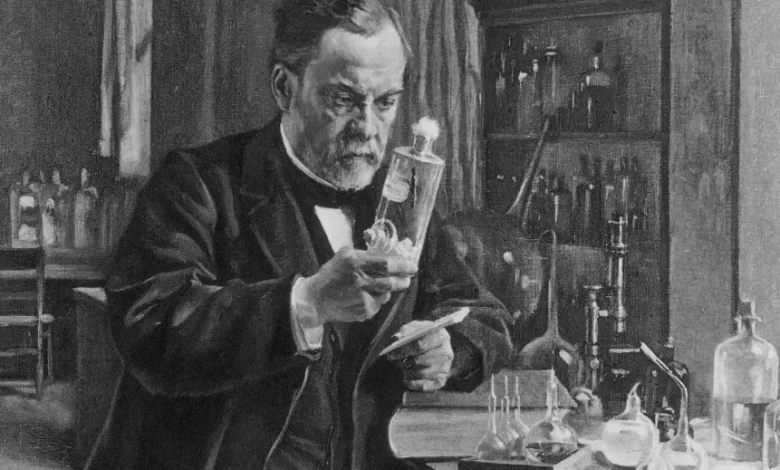
Louis Pasteur vaccines
The journey of modern vaccination owes much to the groundbreaking work of Louis Pasteur, a French chemist and microbiologist whose contributions transformed science and medicine. From his pioneering work in germ theory to his development of vaccines, Pasteur’s legacy is inseparably linked to the way we understand and prevent infectious diseases today.
Who Was Louis Pasteur?
Born in 1822 in Dole, France, Louis Pasteur began his scientific journey studying chemistry and physics. He eventually made transformative discoveries in microbiology, disproving the then-common theory of spontaneous generation. His work laid the foundation for many areas of science, including biochemistry, microbiology, and immunology.
Understanding Germ Theory
Pasteur’s work in microbiology led him to a revolutionary concept: the germ theory of disease. Until the mid-19th century, diseases were commonly attributed to bad air or “miasma.” However, through experiments, Pasteur proved that microorganisms—bacteria and viruses—were the true agents behind infectious diseases.
 Jane Goodall: The Revolutionary Work with Chimpanzees
 Germ theory became a central focus in his research, as he demonstrated that microorganisms could be controlled or eradicated to prevent diseases. This breakthrough paved the way for a new field of medicine, in which treatments and prevention strategies could be based on controlling germs.
The First Steps Toward Vaccination
Pasteur was fascinated by how the human body responded to infection. He observed that survivors of certain diseases seemed resistant to future infections of the same illness, a concept known as immunity. By exploring immunity, Pasteur began to look for ways to stimulate the immune response without causing full-blown disease.
Louis Pasteur’s Major Vaccine Discoveries
- Chicken Cholera Vaccine
Pasteur’s first major success in creating a vaccine came while studying chicken cholera. He discovered that cultures of the cholera bacteria, when weakened or “attenuated,” could be introduced to chickens without causing severe illness. This process allowed the chickens to develop immunity to the disease. The concept of “attenuation” would become central to vaccine development. - Anthrax Vaccine
Building on his chicken cholera findings, Pasteur applied the attenuation method to anthrax, a deadly disease affecting livestock. In a famous public demonstration in 1881, he vaccinated a group of sheep with an attenuated strain of the anthrax bacterium. When exposed to live anthrax bacteria, vaccinated animals survived, proving the vaccine’s effectiveness. - Rabies Vaccine
Perhaps Pasteur’s most celebrated vaccine was for rabies. At the time, rabies was almost always fatal. Pasteur experimented with the rabies virus, ultimately finding a way to weaken it by drying infected nerve tissues. In 1885, he administered the first human rabies vaccine to a young boy named Joseph Meister, who had been bitten by a rabid dog. The boy survived, marking a historic moment in medical science.
The Science Behind Pasteur’s Vaccines
Pasteur’s vaccination strategy involved weakening the pathogens, a process known as attenuation. This is based on the principle that an attenuated virus or bacterium still stimulates the immune system but causes only mild or no symptoms.
 George Washington Carver’s Agricultural Innovations
 Modern vaccines continue to use similar approaches. For example:
- Live-attenuated vaccines, which contain weakened forms of the virus or bacteria, as seen in vaccines for measles and mumps.
- Inactivated vaccines, which contain killed organisms, providing immunity without the risk of causing illness.
Impacts and Legacy of Louis Pasteur’s Work on Vaccines
The implications of Louis Pasteur’s vaccines were immense, impacting both public health and scientific progress. His work led to the establishment of the Pasteur Institute in Paris, a center for infectious disease research. The success of Pasteur’s methods inspired other scientists and researchers to explore vaccination, leading to vaccines against polio, smallpox, and countless other diseases.
Conclusion
Through his rigorous experiments and relentless pursuit of scientific understanding, Louis Pasteur gave the world a powerful tool to fight infectious diseases: the vaccine. His legacy endures in the countless lives saved each year by vaccines and in the ongoing quest to protect human health.
 James Watson and Francis Crick: The Discovery of DNA Structure


