
Energy Storage and Conversion: From Materials to Technologies

Energy storage and conversion technologies are crucial for addressing global energy challenges. As the world shifts toward renewable energy sources, efficient systems for storing and converting energy are needed to maintain a stable energy supply.
This article explores the latest advancements in materials and technologies for energy storage and conversion, highlighting their potential applications and future developments.
Energy Storage Technologies
Energy storage plays a key role in ensuring that energy generated from renewable sources, such as solar and wind, can be stored for use when demand exceeds supply. Several energy storage technologies have emerged, each with its own strengths and limitations:
Batteries
Batteries are among the most widely used energy storage systems. They store electrical energy through electrochemical reactions and release it when needed. Some of the most promising battery technologies include:
- Lithium-ion (Li-ion) Batteries: The most commonly used battery type, Li-ion batteries offer high energy density, long life, and rapid charging capabilities. They are used in everything from mobile phones to electric vehicles.
- Sodium-ion (Na-ion) Batteries: Sodium-ion batteries are a promising alternative to lithium-ion batteries due to the abundance and lower cost of sodium. They are expected to play a significant role in large-scale energy storage systems.
- Solid-State Batteries: These batteries use a solid electrolyte instead of a liquid one, offering higher energy densities and improved safety features.
Supercapacitors
Supercapacitors, also known as ultracapacitors, store energy electrostatically rather than chemically. They can discharge energy quickly, making them ideal for applications that require rapid bursts of power, such as in regenerative braking systems. However, their energy density is lower than that of batteries.
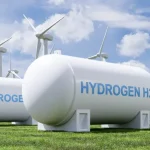 Hydrogen Technologies vs. Battery Ones in the Green Energy Transition
Pumped Hydroelectric Storage
Pumped hydro storage is a type of large-scale energy storage used in grid management. Water is pumped to a higher elevation during periods of low demand and then released to generate electricity when demand is high. This process is highly efficient and widely used for grid stability.
Energy Conversion Technologies
Energy conversion technologies are essential for transforming stored energy into usable forms such as electricity or heat. Key advancements in this field are enhancing the efficiency and scalability of energy conversion systems.
Photovoltaic (PV) Systems
Photovoltaic (PV) systems convert sunlight directly into electricity using semiconductors. Recent developments in PV materials are improving efficiency and reducing costs. Some of the notable advances include:
- Perovskite Solar Cells: These solar cells have the potential to achieve high efficiencies at lower production costs. Research is focused on improving their stability and scalability.
- Thin-Film Solar Cells: Thin-film technology allows for lightweight, flexible solar panels, expanding the potential applications for solar energy.
Thermoelectric Generators
Thermoelectric generators (TEGs) convert heat directly into electricity using the Seebeck effect. These devices can be used to recover waste heat from industrial processes or even from the human body to power small electronics. Materials research is focused on improving the efficiency of TEGs by developing new thermoelectric materials with higher performance.
Fuel Cells
Fuel cells convert chemical energy directly into electricity through an electrochemical reaction. The most common types are:
 Sustainability For The Future Generations
- Proton Exchange Membrane Fuel Cells (PEMFCs): PEMFCs are used in transportation applications, particularly in hydrogen-powered vehicles. They are known for their high efficiency and low operating temperatures.
- Solid Oxide Fuel Cells (SOFCs): These fuel cells operate at higher temperatures and are used for stationary power generation, offering high efficiency and the ability to run on a variety of fuels.
Advancements in Materials for Energy Storage and Conversion
Research into new materials is crucial for improving the performance of energy storage and conversion technologies. Some of the most exciting materials being developed include:
Graphene and Carbon Nanotubes
Graphene and carbon nanotubes are materials that exhibit remarkable electrical conductivity and mechanical strength. These materials are being explored for use in energy storage systems such as supercapacitors and batteries to improve their performance. For example, graphene-based electrodes can increase the energy density and cycle life of batteries.
Metal-Organic Frameworks (MOFs)
MOFs are a class of porous materials with high surface areas and tunable structures. They are being investigated for their potential to store gases like hydrogen and CO₂, as well as for use in energy storage systems. MOFs can enhance the performance of batteries and supercapacitors by providing additional surface area for energy storage.
Advanced Alloys and Ceramics
Advanced alloys and ceramics are being developed for use in high-temperature energy conversion technologies, such as thermoelectric generators and fuel cells. These materials offer improved durability, efficiency, and resistance to corrosion, making them ideal for use in extreme conditions.
Integration of Energy Storage and Conversion Systems
To maximize the efficiency of renewable energy systems, energy storage and conversion technologies must be integrated seamlessly. This involves not only improving individual technologies but also developing systems that can manage and optimize the flow of energy from storage to conversion devices. Some strategies for integration include:
 Let The Trees Save The World
- Hybrid Systems: Combining multiple energy storage and conversion technologies, such as batteries and fuel cells, to provide reliable and flexible power generation.
- Smart Grids: These grids use advanced sensors and control systems to manage the flow of electricity between storage devices, converters, and end users, ensuring efficient energy use and distribution.
- Energy Management Systems: These systems optimize energy use by predicting demand and adjusting the flow of energy between storage and conversion systems accordingly.
Future Outlook and Challenges
Despite the progress made in energy storage and conversion technologies, challenges remain. Key issues include:
- Cost Reduction: While many technologies are improving, the cost of production remains a significant barrier to widespread adoption. Reducing costs through economies of scale and material innovations will be crucial for large-scale deployment.
- Efficiency Improvement: Many energy storage and conversion systems still have room for improvement in terms of energy density, charge/discharge rates, and efficiency. Continued research into new materials and processes will be essential.
- Scalability: Many emerging technologies are still in the research phase or have not yet demonstrated large-scale viability. Scaling up these technologies will be necessary to meet global energy demands.
In conclusion, the ongoing advancements in materials and technologies for energy storage and conversion are transforming the way we generate, store, and use energy. With continued research and innovation, these systems will play a crucial role in achieving a sustainable, low-carbon future.


