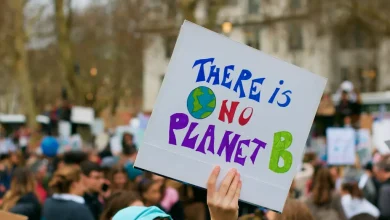
Climate change is real: Understanding the Reality of Climate Change

Climate Change Awareness
Climate change is a significant and enduring change in global or regional climate patterns, particularly changes observed since the late 19th century due to increased levels of carbon dioxide and other pollutants in the atmosphere. The overwhelming scientific evidence confirms that climate change is real and has tangible effects on the environment, human health, and global economies.
What is Climate Change?
Climate change refers to shifts in average weather conditions over long periods, driven by both natural processes and human activities. These changes affect various ecosystems and lead to extreme weather conditions, melting glaciers, and rising sea levels.
Climate change is primarily caused by an increase in greenhouse gases, like carbon dioxide (CO₂) and methane (CH₄), which trap heat within the Earth’s atmosphere, a process known as the greenhouse effect.
The Greenhouse Effect
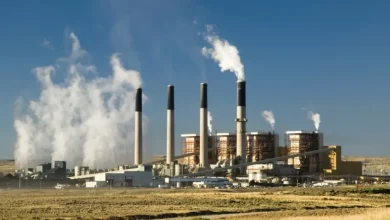
The greenhouse effect is a natural phenomenon that helps maintain the Earth’s temperature at a level suitable for life. However, human activities such as burning fossil fuels (like coal, oil, and natural gas), deforestation, and industrial processes have increased the concentration of greenhouse gases, intensifying this effect and causing more heat to be trapped. The relationship between atmospheric greenhouse gases and temperature can be expressed as:
ΔT = λ ΔF
where:
 Join The Fight Against Global Warming
ΔTrepresents the change in temperature.λis the climate sensitivity, measuring how temperature responds to changes in radiative forcing.ΔFdenotes the change in radiative forcing due to greenhouse gases.
Evidence that Climate Change is Real
The reality of climate change is supported by multiple scientific findings and observable evidence:
Rising Global Temperatures
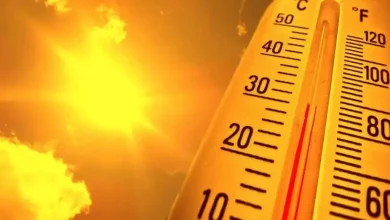
According to NASA, global temperatures have risen by approximately 1.2°C (2.2°F) since the pre-industrial period. This temperature increase affects all climate systems, contributing to longer and more intense heat waves and altered precipitation patterns.
Melting Ice and Rising Sea Levels
Glaciers and ice caps around the world are melting at unprecedented rates, leading to rising sea levels. The melting of polar ice sheets in Greenland and Antarctica alone contributes to rising sea levels by approximately 3.4 mm per year. This rise endangers coastal communities and low-lying nations, exacerbating flood risks.
Ocean Acidification
Approximately 25% of carbon dioxide emissions are absorbed by the oceans, leading to ocean acidification. This alteration in ocean chemistry has detrimental effects on marine biodiversity, including coral reefs, which support a significant portion of marine life.
Extreme Weather Events
Climate change is linked to the increasing frequency and intensity of extreme weather events such as hurricanes, wildfires, and droughts. These events have direct impacts on human lives, economies, and ecosystems worldwide.
The Importance of Climate Change Awareness
Increasing climate change awareness is essential to mobilize individuals, communities, and governments to take action. Understanding the causes and consequences of climate change encourages people to adopt more sustainable practices, reduce greenhouse gas emissions, and advocate for policies that address climate change effectively.
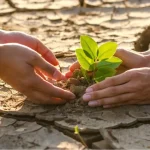 Mother Nature Needs Our Attention
Promoting Individual and Community Action
Individual and community actions play a crucial role in combating climate change. Here are ways in which people can make a difference:
- Reduce energy consumption: Lowering energy use by opting for energy-efficient appliances, reducing waste, and adopting renewable energy sources.
- Minimize carbon footprint: Using public transportation, carpooling, and reducing air travel are effective ways to decrease individual carbon emissions.
- Support reforestation: Planting trees and protecting existing forests absorb CO₂ from the atmosphere and contribute to biodiversity.
- Advocate for policy change: Supporting policies that limit emissions and promote clean energy is essential for long-term change.
Scientific Insights on Mitigating Climate Change
Scientists and policymakers work together to develop technologies and strategies that help mitigate climate change. Some of these solutions include:
Renewable Energy
Switching to renewable energy sources like solar, wind, and hydropower reduces our reliance on fossil fuels and decreases carbon emissions. Renewable energy is a key component of sustainable energy systems for a cleaner future.
Carbon Capture and Storage (CCS)
CCS technologies capture carbon dioxide emissions from industrial processes and power plants, storing it underground to prevent its release into the atmosphere. Although CCS is still developing, it holds potential as a transitional solution to reduce atmospheric CO₂.
Sustainable Agriculture
Agricultural practices also contribute to greenhouse gas emissions, primarily through livestock production and soil management. Sustainable agriculture aims to reduce methane emissions and promote soil conservation through practices like crop rotation and minimal tillage.
Urban Planning and Green Infrastructure
Cities are major sources of emissions. Green infrastructure, such as green roofs, urban forests, and efficient public transit systems, helps reduce emissions, improve air quality, and mitigate the urban heat island effect.
 Sustainability For The Future Generations
A Way Forward
Addressing climate change requires a unified global effort. From individual actions to international policies, each step plays a part in protecting our planet for future generations. Climate change awareness enables people to make informed choices that contribute to environmental preservation, energy conservation, and sustainable development.
By understanding the scientific basis of climate change and taking proactive measures, we can work toward a more resilient and sustainable future. Together, we can build a world that adapts to, mitigates, and ultimately overcomes the challenges posed by climate change.