Join The Fight Against Global Warming

Fight Against Global Warming
As temperatures rise and weather patterns shift, the fight against global warming has become one of the most urgent challenges of our time. The effects of climate change are already being felt worldwide, from extreme heatwaves to devastating hurricanes.
While global warming might seem too vast an issue to tackle, collective action can make a difference. In this article, we’ll explore practical steps, innovative technologies, and daily habits that everyone can adopt to contribute to this crucial cause.
Understanding Global Warming
Global warming is primarily caused by the increase in greenhouse gases such as carbon dioxide (CO₂), methane (CH₄), and nitrous oxide (N₂O) in the atmosphere. These gases trap heat from the sun, causing the Earth’s surface temperature to rise. This process, known as the greenhouse effect, has been significantly intensified by human activities like burning fossil fuels, deforestation, and industrial processes.
Key Causes of Global Warming
- Burning Fossil Fuels: Coal, oil, and natural gas are burned to produce energy, releasing large amounts of
CO₂into the atmosphere. - Deforestation: Trees absorb
CO₂, but deforestation reduces this natural carbon sink, increasing carbon levels. - Agricultural Practices: Livestock farming produces methane, while fertilizer use releases nitrous oxide, both potent greenhouse gases.
- Industrial Emissions: Factories release a variety of pollutants, including
CO₂, which contribute to the greenhouse effect.
Steps to Combat Global Warming
Fighting global warming requires both individual actions and policy-level changes. Here are some ways we can collectively reduce greenhouse gas emissions and limit global temperature rise.
Adopt Renewable Energy Sources
Switching to renewable energy sources like solar, wind, and hydroelectric power is essential for reducing our dependence on fossil fuels. Unlike coal and oil, renewable energy sources produce no CO₂ emissions, making them vital tools in the fight against global warming.
Enhance Energy Efficiency
Improving energy efficiency is another critical way to reduce emissions. Simple changes, such as using LED lighting and energy-efficient appliances, can significantly lower electricity consumption and decrease emissions.
 Mother Nature Needs Our Attention
- Home Insulation: Properly insulating homes can reduce energy consumption by retaining heat in the winter and cool air in the summer.
- Smart Thermostats: These devices can optimize heating and cooling schedules to reduce waste.
Support Reforestation and Conservation Efforts
Forests play a vital role in absorbing carbon dioxide. By supporting reforestation and conservation projects, we can help rebuild these natural carbon sinks. Many organizations offer programs where individuals can contribute to tree-planting efforts.
Shift Toward Sustainable Transportation
The transportation sector is a major source of CO₂ emissions. Opting for public transport, carpooling, biking, or walking can drastically cut down on these emissions. Electric vehicles (EVs) are another sustainable alternative, producing zero emissions during operation.
- Public Transit: Buses, trains, and subways help reduce the number of cars on the road, lowering emissions.
- Electric Vehicles: EVs are powered by batteries and release no
CO₂emissions.
Embrace Sustainable Agriculture
The agricultural sector is a significant contributor to greenhouse gases. Sustainable farming practices, such as organic farming, crop rotation, and reducing meat consumption, can lower emissions. For instance, adopting a plant-based diet or reducing red meat intake can lessen methane emissions from livestock.
Reduce Food Waste
Food waste contributes significantly to greenhouse gas emissions. When food decomposes in landfills, it produces methane, a potent greenhouse gas. Reducing food waste can help lower these emissions.
- Composting: Composting organic waste reduces methane emissions and produces natural fertilizers.
- Buy Only What You Need: Reducing over-purchasing can lower waste and emissions associated with food production and disposal.
Innovative Technologies in the Fight Against Global Warming
Scientists and engineers are developing groundbreaking technologies to combat climate change. Here are some innovations that have the potential to make a significant impact.
Carbon Capture and Storage (CCS)
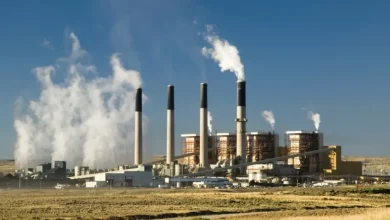
Carbon capture and storage involves capturing CO₂ emissions from sources like factories and power plants, and storing it underground. CCS can reduce emissions from industrial processes that are difficult to decarbonize.
 Sustainability For The Future Generations
Direct Air Capture
Direct air capture technology removes CO₂ directly from the atmosphere. Although still in early stages, it holds promise as a means to actively reduce atmospheric carbon levels.
Geoengineering
Geoengineering techniques, such as solar radiation management, aim to reflect a portion of the sun’s energy back into space to reduce global warming. However, these approaches are controversial and require careful consideration due to their potential environmental impact.
Ways to Get Involved
Fighting global warming isn’t just about reducing personal emissions; it’s about engaging with a larger movement. Here are ways you can join the fight against global warming and support positive changes.
Advocate for Climate Policies
Support policies that promote renewable energy, sustainable agriculture, and stricter emissions regulations. Engage with local representatives and vote for leaders committed to tackling climate change.
Educate Yourself and Others
Understanding climate change is the first step to action. Share knowledge with friends and family and discuss ways to reduce carbon footprints together. Public awareness is essential for building widespread support for climate initiatives.
Contribute to Environmental Organizations
Numerous organizations work tirelessly to combat climate change. Donating time, money, or resources can help amplify their impact. Many organizations also offer volunteering opportunities for those wanting to be directly involved.
 Don’t Be A Fossil Fool: Avoiding Fossil Fuels
Taking Action Together
Every action taken to reduce emissions, conserve energy, or advocate for climate policies contributes to the broader effort to mitigate global warming. The fight against global warming isn’t about a single solution; it’s about collective responsibility and consistent action. By making conscious choices, embracing sustainable practices, and advocating for change, we can create a healthier planet for future generations.