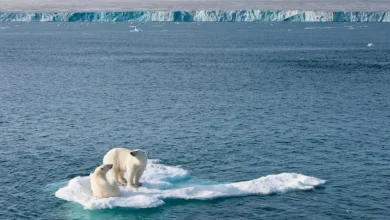
Global Warming Is A Man-made Warning

Global Warming Awareness
Global warming has become an undeniable reality and is largely a man-made phenomenon. The extensive industrial activities, deforestation, and massive fossil fuel consumption are major contributors to this climate crisis.
This article explores the causes, impacts, and actions required to address this urgent issue. Join the movement to increase Global Warming Awareness and safeguard our planet.
Understanding Global Warming
Global warming refers to the steady increase in Earth’s average surface temperature, mainly due to the release of greenhouse gases like carbon dioxide (CO₂), methane (CH₄), and nitrous oxide (N₂O). These gases trap heat in the atmosphere, creating a warming effect that has numerous consequences for ecosystems, weather patterns, and sea levels.
The Greenhouse Effect
The greenhouse effect is a natural process essential for sustaining life. However, human activities have intensified this effect. Here’s how it works:
- The sun emits energy that reaches the Earth’s surface, warming it.
- Earth then radiates heat back toward space, but greenhouse gases absorb some of this heat, trapping it in the atmosphere.
- More greenhouse gases result in more trapped heat, raising global temperatures.
The formula to measure the Earth’s temperature change due to greenhouse gases is:
ΔT = F * λ
where ΔT is the change in temperature, F represents the radiative forcing caused by greenhouse gases, and λ is the climate sensitivity parameter.
 Let The Trees Save The World
 Causes of Global Warming
Identifying the primary drivers behind global warming is crucial for implementing effective mitigation strategies. Key contributors include:
Fossil Fuel Combustion
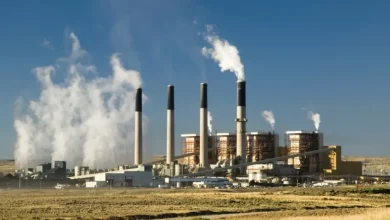
The burning of fossil fuels, such as coal, oil, and natural gas, releases a significant amount of CO₂. This process powers industries, transportation, and electricity generation but is one of the largest sources of greenhouse gas emissions globally.
Deforestation
Trees naturally absorb CO₂, reducing its concentration in the atmosphere. However, widespread deforestation—mainly for agriculture, urban development, and logging—removes this critical carbon sink, allowing more CO₂ to remain in the atmosphere.
Industrial Emissions
Industrial processes release not only CO₂ but also other greenhouse gases like methane and nitrous oxide, contributing to the intensification of the greenhouse effect. Industries like cement, steel, and chemical manufacturing are particularly high emitters.
Impacts of Global Warming
The consequences of global warming are vast and affect ecosystems, human health, and economic stability worldwide. Below are some of the most significant impacts.
Extreme Weather Events
As global temperatures rise, extreme weather events become more frequent and severe. These events include:
- Hurricanes and typhoons: Warmer ocean waters provide more energy, leading to stronger and more destructive storms.
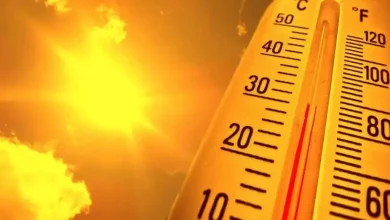
- Heatwaves: Increased temperatures cause prolonged periods of extreme heat, leading to health risks and drought conditions.
- Flooding and sea-level rise: Melting glaciers and polar ice caps contribute to rising sea levels, threatening coastal communities with flooding.
Impacts on Biodiversity
Global warming disrupts habitats, forcing species to migrate, adapt, or face extinction. Ocean warming, acidification, and changes in precipitation patterns negatively impact marine life, coral reefs, and terrestrial ecosystems.
 Mother Earth is Suffering
 Economic Consequences
The cost of climate change is immense, impacting agriculture, infrastructure, and healthcare. Crop yields decline due to changing weather, while extreme weather events damage infrastructure, requiring costly repairs and preventive measures.
Raising Global Warming Awareness
Global Warming Awareness is essential for mobilizing collective action to address this crisis. Here’s how individuals, communities, and governments can contribute:
Education and Outreach
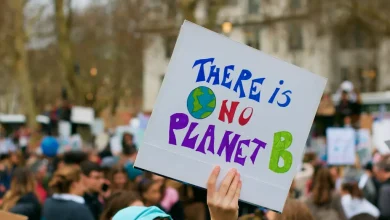
Understanding the causes and impacts of global warming enables people to make informed decisions and advocate for sustainable policies. Schools, communities, and media play a critical role in educating the public.
Supporting Renewable Energy
Switching to renewable energy sources like solar, wind, and hydroelectric power reduces reliance on fossil fuels and lowers greenhouse gas emissions. Encouraging investment in these technologies is key to a sustainable future.
Personal Lifestyle Changes
Individuals can reduce their carbon footprint through actions such as:
- Using public transport or carpooling
- Reducing, reusing, and recycling materials
- Supporting eco-friendly products
- Conserving energy by using efficient appliances
Steps for a Sustainable Future
Building a sustainable future requires immediate and collective efforts to address global warming. Key actions include:
- International Cooperation: Countries must work together to implement climate agreements and reduce global emissions.
- Adopting Green Policies: Governments should incentivize green technologies, carbon reduction strategies, and sustainable agriculture.
- Innovative Solutions: Investing in research and development for carbon capture, reforestation, and energy efficiency will be crucial in mitigating climate change.
The challenge of global warming requires Global Warming Awareness and a commitment to change. By understanding its causes, impacts, and solutions, we can act collectively to protect our planet for future generations.
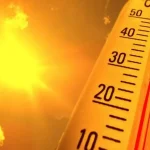 The Sky Is Warming