
Nazca Lines: Unraveling the Purpose of Peru’s Enigmatic Designs

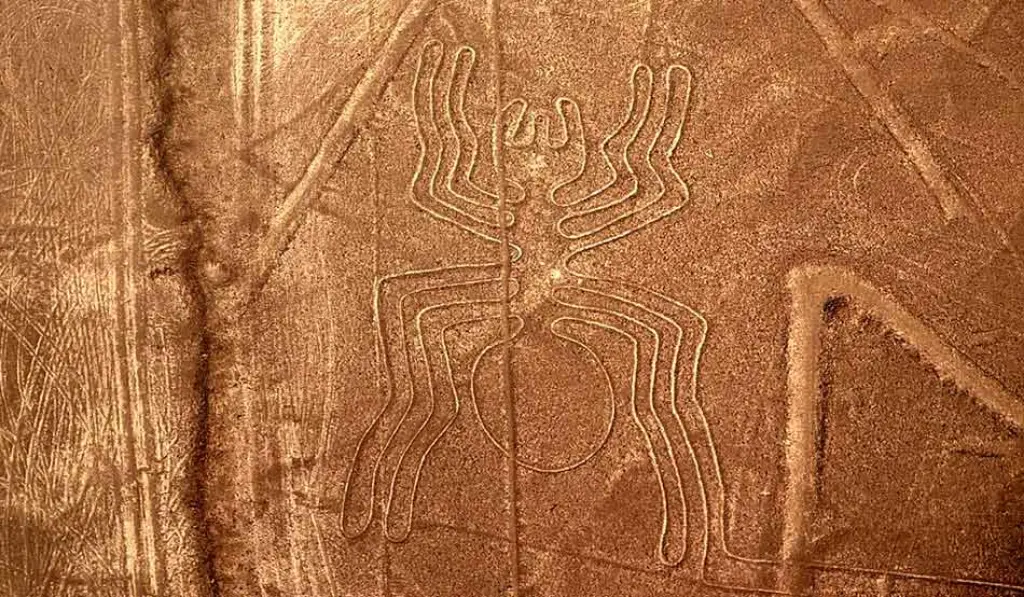
The Nazca Lines, located in the arid plains of southern Peru, represent one of the world’s greatest archaeological mysteries. These massive geoglyphs, etched into the desert floor, depict animals, plants, and geometric shapes, stretching across hundreds of square kilometers. Despite decades of study, their purpose remains elusive, sparking debates and inspiring theories across scientific disciplines.
The History and Discovery of the Nazca Lines
The Nazca Lines were first brought to global attention in the early 20th century when commercial flights revealed the full extent of these intricate designs. Created between 500 BCE and 500 CE by the Nazca culture, these geoglyphs have withstood the test of time due to the region’s dry climate and minimal erosion.
- Scale and Visibility: The lines range from simple straight paths to complex figures, with some spanning over 1,200 feet in length. Their designs are best observed from the air due to their massive scale.
- Creation Technique: The lines were formed by removing the reddish pebbles covering the desert surface, exposing the lighter ground beneath. This method, combined with the region’s climate, has preserved the lines remarkably well.
Theories on the Purpose of the Nazca Lines
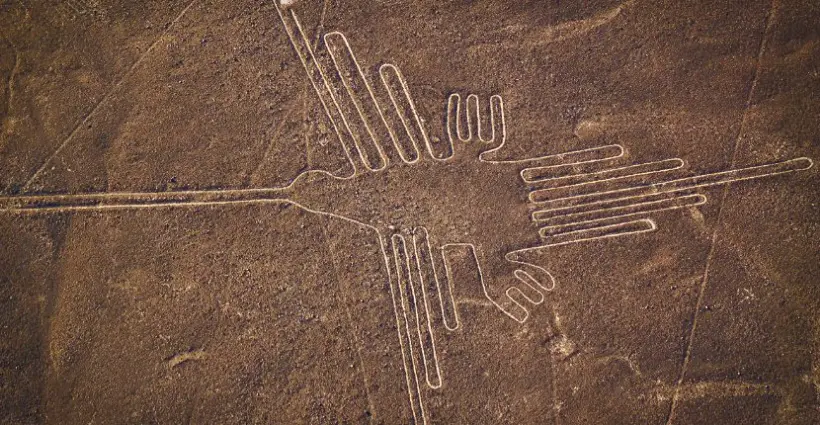
Numerous theories have been proposed to explain the purpose of the Nazca Lines. These interpretations draw from anthropology, archaeology, and astronomy.
Astronomical Alignments
Some researchers suggest that the lines align with celestial events. Certain shapes and lines correspond to solstices, suggesting their use as a giant astronomical calendar. The theory posits that the Nazca people used these alignments for agricultural purposes, predicting rainfall or the growing seasons.
Religious and Ritual Significance
Another prevailing theory links the lines to religious practices. The Nazca civilization may have created the designs as offerings to deities, particularly those related to water—a critical resource in the arid desert. The geometric shapes and animal figures could symbolize their gods or represent sacred paths used during rituals.
 Wettest Places on Earth: Their Unique Climate Patterns
Water and Irrigation
Given the scarcity of water in the region, some researchers believe the lines are connected to hydrology. This theory argues that the geoglyphs indicate underground water sources or act as markers for an intricate irrigation system. Supporting this, many shapes resemble aquatic animals like fish and whales, which could signify the importance of water in their culture.
Artistic and Cultural Expression
Others propose that the lines served no practical purpose but were instead a form of artistic expression. The geometric and animal designs may have been created to honor their culture, history, or environment.
Extraterrestrial Influence
Popularized by speculative theories, some claim the lines were created by or for extraterrestrial beings. This idea is based on the precision and size of the designs, which seem to require aerial observation for full appreciation. While this theory lacks scientific support, it highlights the awe-inspiring nature of the geoglyphs.
Scientific Methods in Studying the Nazca Lines
Modern technology has significantly advanced our understanding of the Nazca Lines. Researchers use various techniques to uncover new insights about these enigmatic designs:
Aerial and Satellite Imaging
High-resolution imagery from planes and satellites provides a detailed view of the geoglyphs, revealing patterns and alignments previously undetectable. This technology also helps map the extent of the lines across the desert.
 Extraterrestrial Minerals Found on Earth
Radiocarbon Dating
Radiocarbon dating of organic materials found near the lines has helped establish their age. This method places the lines’ creation between 500 BCE and 500 CE, corresponding to the rise and fall of the Nazca culture.
Geophysical Surveys
Ground-penetrating radar and other geophysical tools allow scientists to investigate the subsurface features around the lines. These surveys have uncovered evidence of ancient irrigation systems and settlements, supporting theories about the lines’ connection to water.
Preserving the Nazca Lines
The Nazca Lines face threats from natural and human activities. Erosion, though slow, and illegal encroachments, including road construction and farming, have caused damage to some geoglyphs. Efforts to preserve the lines include:
- UNESCO World Heritage Status: Designated a World Heritage Site in 1994, the lines are protected under international conventions.
- Government Regulation: Peruvian authorities have established protective zones and penalties for unauthorized activities near the geoglyphs.
- Scientific Monitoring: Ongoing research and monitoring programs aim to document and preserve the site.
The Legacy and Future of the Nazca Lines
The Nazca Lines continue to captivate both researchers and the public. While their precise purpose remains a mystery, their legacy as a testament to human creativity and ingenuity endures. Advances in technology, such as machine learning and drone imaging, promise to uncover new details about the geoglyphs, bringing us closer to unraveling their secrets.
- The lines reflect the sophistication of the Nazca culture, showcasing their ability to create large-scale designs with precision and purpose.
- Theories about their purpose range from practical uses in agriculture and hydrology to expressions of spirituality and artistic intent.
- Preservation efforts are critical to maintaining this unique cultural heritage for future generations.
The Nazca Lines remind us of the enduring power of human curiosity and our desire to understand the world—and the civilizations—that came before us. As new discoveries emerge, the story of these ancient designs will continue to inspire and intrigue.
 Chile: The Land of Contrasts


