
Solar energy: Advantages and disadvantages of this energy source
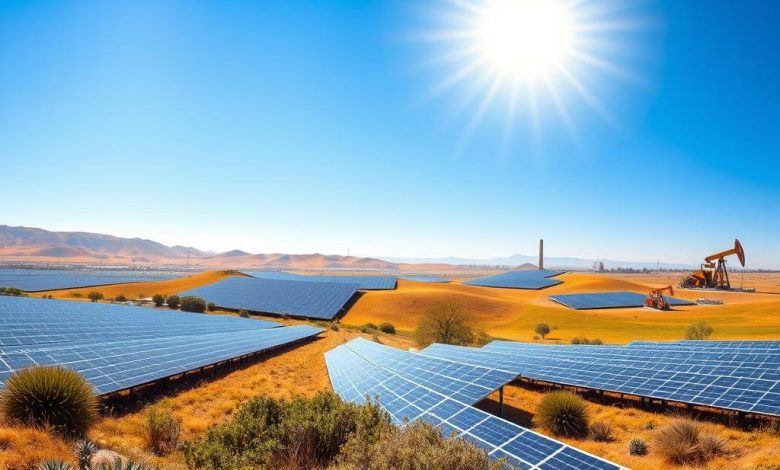
In recent years, solar energy has become a key renewable and sustainable power source. It offers a clean alternative to traditional fossil fuels. This clean energy technology uses the sun’s radiant power to create electricity through photovoltaic cells.
As the world looks for more environmentally friendly power, knowing the pros and cons of solar energy is key. This is important for both individuals and businesses thinking about using this renewable energy.
One big plus of solar energy is that it’s renewable and sustainable. Unlike fossil fuels, the sun’s energy never runs out. This makes solar power a dependable and long-term choice for your energy needs.
Also, solar energy systems have low operational costs. They need little maintenance and no fuel, leading to big savings over time.
But, solar energy also has some downsides. The efficiency of solar panels can drop when the weather is cloudy or shaded. This reduces the power they can make.
Also, setting up solar energy systems can be expensive at first. But, thanks to government incentives and tech improvements, it’s becoming more affordable and accessible.
Introduction to Solar Energy
Solar energy is a clean and sustainable power source. It uses the sun’s radiation to make electricity. This technology is becoming more popular as we try to use less fossil fuels and protect our environment.
What is Solar Energy?
Solar energy comes from the sun’s rays. It can be turned into electricity or heat using special technologies. This process is called the photovoltaic effect, discovered in the late 1800s.
History of Solar Power
The idea of using sunlight for energy started in the 1800s. In the 1950s, scientists made the first silicon-based photovoltaic cells. This was a big step towards making solar power available for everyone.
Since then, solar cells have gotten better, and making them has become easier. People have also learned more about the harm fossil fuels cause. This has made solar energy a more popular choice for power.
Now, solar power is used in many ways. It’s in homes and big solar farms. It’s helping us move towards a cleaner energy future.
Solar Energy Advantages
Solar energy is becoming more popular for good reasons. It’s a renewable and sustainable power source. This means it can be used forever without running out. Plus, solar power systems are cheap to run and maintain, making them great for homes and businesses.
Renewable and Sustainable
Solar energy comes from the sun, which never runs out. Unlike fossil fuels, solar power doesn’t harm the environment. It’s a green way to meet our energy needs without harming the planet.
Low Operational Costs
After buying solar panels and setting them up, the costs are very low. Solar energy doesn’t need fuel, so there’s no ongoing cost for it. This saves money on energy bills for years to come.
| Key Advantages of Solar Energy | Details |
|---|---|
| Renewable and Sustainable | Solar energy is derived from the sun’s inexhaustible supply of radiant energy, making it a renewable and sustainable power source. |
| Low Operational Costs | Once the initial investment is made, solar power systems have relatively low ongoing costs for maintenance and electricity generation. |
| Environmental Benefits | Solar energy is a clean, emission-free power source that helps reduce the carbon footprint and mitigate the impact of climate change. |
| Increased Home Value | Homes with solar panels tend to have a higher market value, making them more attractive to potential buyers. |
| Government Incentives | Many countries offer tax credits, rebates, or other financial incentives to encourage the adoption of solar energy systems. |
Solar energy: Disadvantages and Limitations
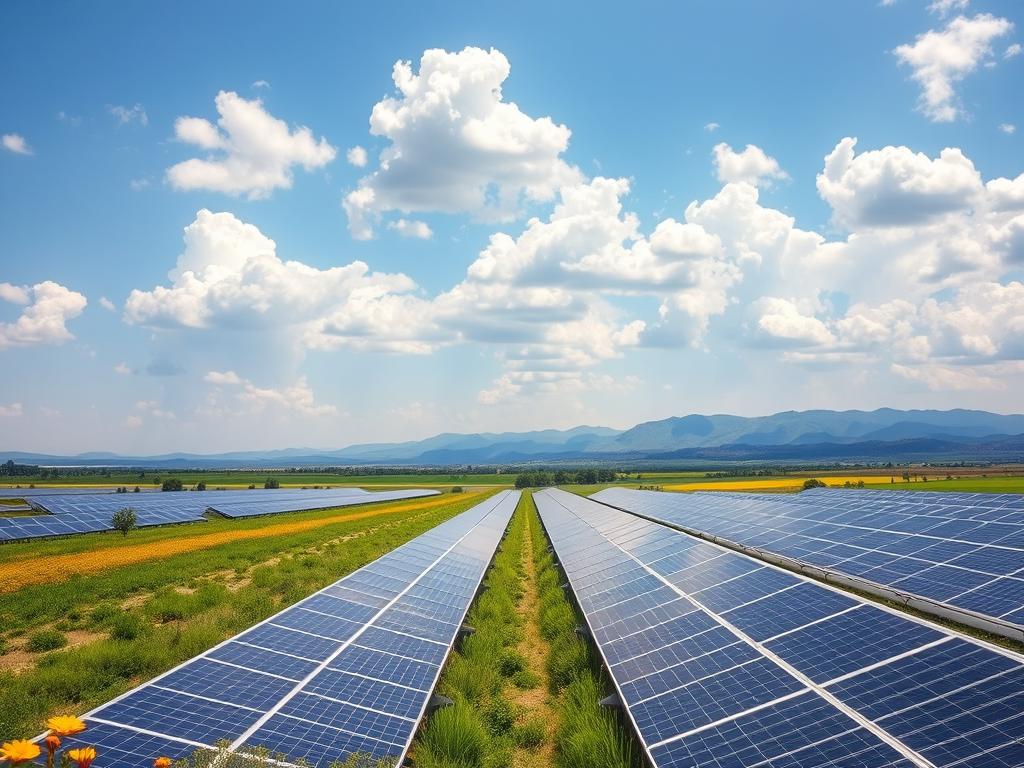
Solar energy is a renewable and sustainable power source with many benefits. However, it also has some limitations and drawbacks. One major challenge is its weather dependence. The amount of electricity solar panels can produce depends on sunlight. This means it can be affected by changes in cloud cover, rain, and other weather conditions.
Another big issue is the high installation costs. The initial cost of buying and setting up solar power systems can be a big barrier. This makes solar energy less accessible to some people and businesses. The high cost can slow down the adoption of solar technology, especially when other energy sources might be cheaper.
- Solar energy is heavily weather dependent, with the amount of electricity generated directly affected by sunlight availability and intensity.
- The high installation costs of solar power systems can be a significant barrier to widespread adoption, especially for some consumers and businesses.
- Effective energy storage solutions are crucial for solar power usage during periods of low or no sunlight, but this technology still faces challenges.
Moreover, the need for good energy storage solutions is another challenge. Solar power is made during the day, but we might need electricity at night or when it’s cloudy. Finding ways to store solar energy for later use is key. But, the current storage technologies are still expensive, not very efficient, and hard to scale up.
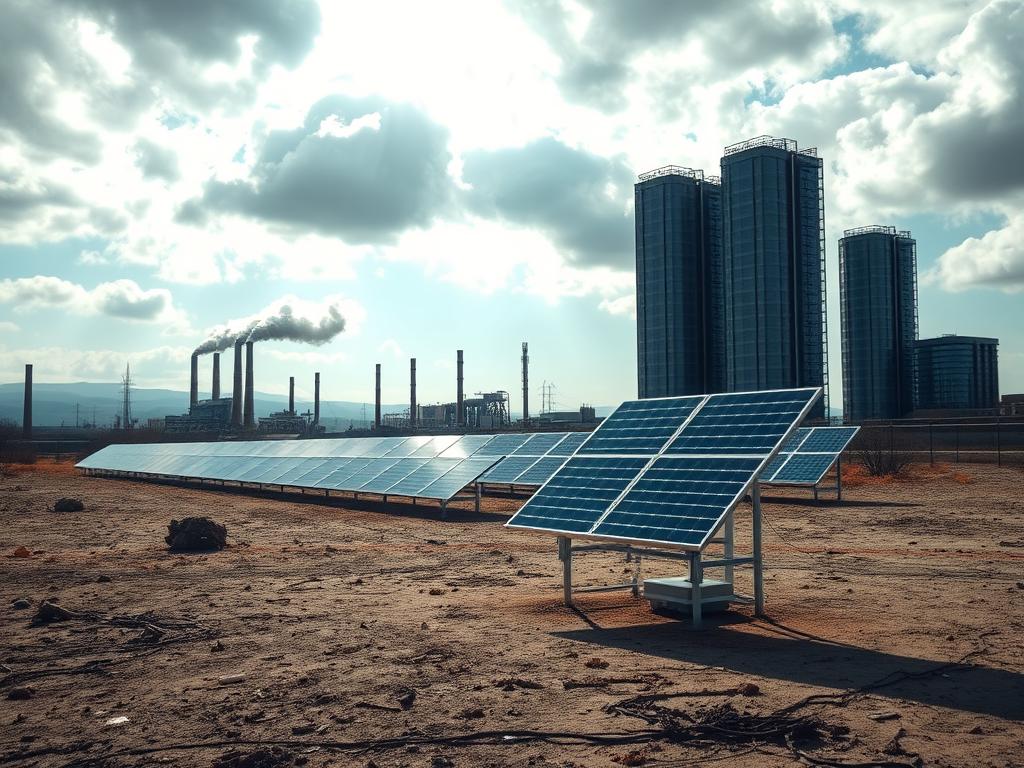
These challenges, like weather dependence, high costs, and energy storage issues, need to be thought about as the solar industry grows. We must find ways to overcome these hurdles for solar energy to become more widely used and accepted.
Components of Solar Power Systems
At the heart of every solar power system are two essential components: photovoltaic cells and solar inverters. These critical elements work together to capture the sun’s energy. They then convert it into electricity for your home, business, or the grid.
Photovoltaic Cells
Photovoltaic cells, also known as solar cells, are the core of a solar power system. They are made from semiconductor materials, like silicon, that absorb sunlight. This process generates direct current (DC) electricity through the photovoltaic effect.
When sunlight hits the cells, it excites the electrons. This excitement causes the electrons to flow, producing an electrical current.
Solar Inverters
Solar inverters are key in the conversion process. They change the DC electricity from the photovoltaic cells into alternating current (AC) electricity. This AC electricity is what homes, businesses, and the grid use.
The efficiency and performance of a solar power system depend on the quality and compatibility of its photovoltaic cells and solar inverters. Choosing the right components and installing them correctly is crucial. It ensures the system generates the most electricity and is cost-effective.
 Air pollution: Causes and effects on human health
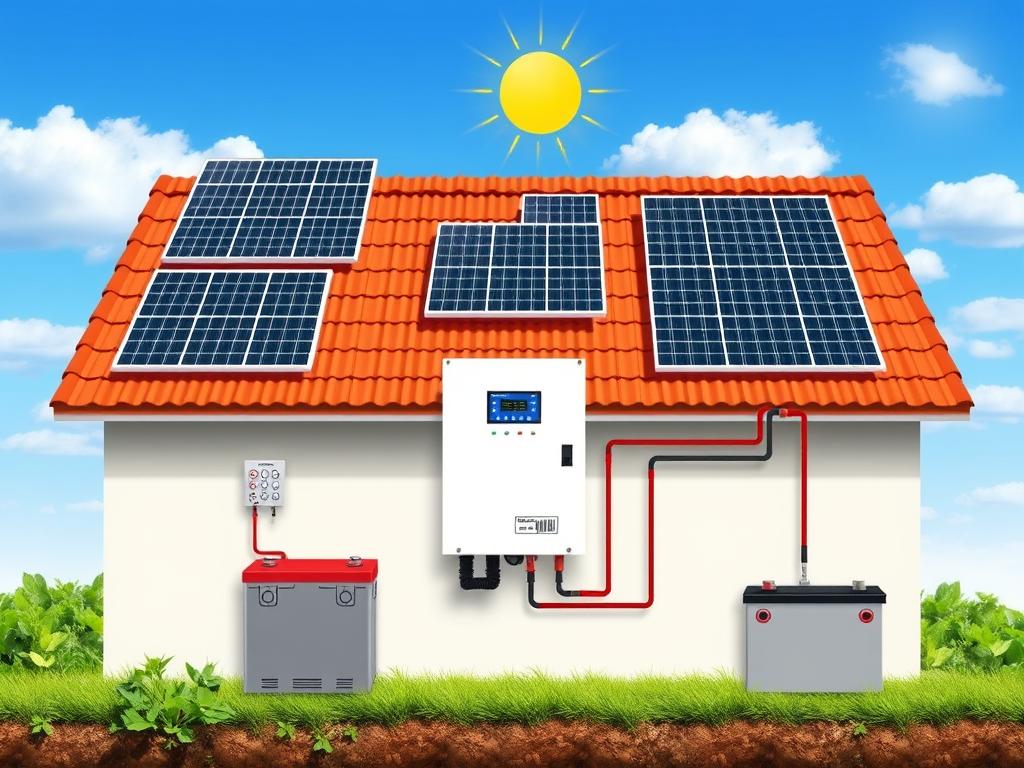
| Component | Description |
|---|---|
| Photovoltaic Cells | Semiconductor materials that convert sunlight into DC electricity |
| Solar Inverters | Devices that convert DC electricity to AC electricity for use in homes and the grid |
| Solar Panels | Assemblies of photovoltaic cells that generate DC electricity |
| Mounting Structure | Frameworks that support and position the solar panels |
| Wiring and Cabling | Electrical connections that transmit the generated electricity |
| Batteries (Optional) | Storage systems that store excess electricity for later use |
Working of Photovoltaic Solar Panels
Photovoltaic solar panels are key to making solar energy. They use sunlight to create electricity. These panels have many photovoltaic cells, often made from silicon.
When sunlight hits the solar cells, it excites the electrons. This makes them flow and create an electrical current.
This current is then changed to alternating current (AC) by an inverter. This makes it ready for use in homes and businesses. This change is called the photovoltaic effect.
The efficiency of photovoltaic solar panels depends on a few things. These include the quality of the semiconductor materials, the solar panel’s design, and how much sunlight it gets.
| Component | Function |
|---|---|
| Photovoltaic Cells | Convert sunlight into electrical current |
| Solar Inverter | Convert DC electricity to AC electricity |
| Wiring and Electrical Components | Transmit and distribute the generated electricity |
Understanding how photovoltaic solar panels work shows us how they use the sun’s power. They make clean, renewable electricity.
Types of Solar Energy Systems
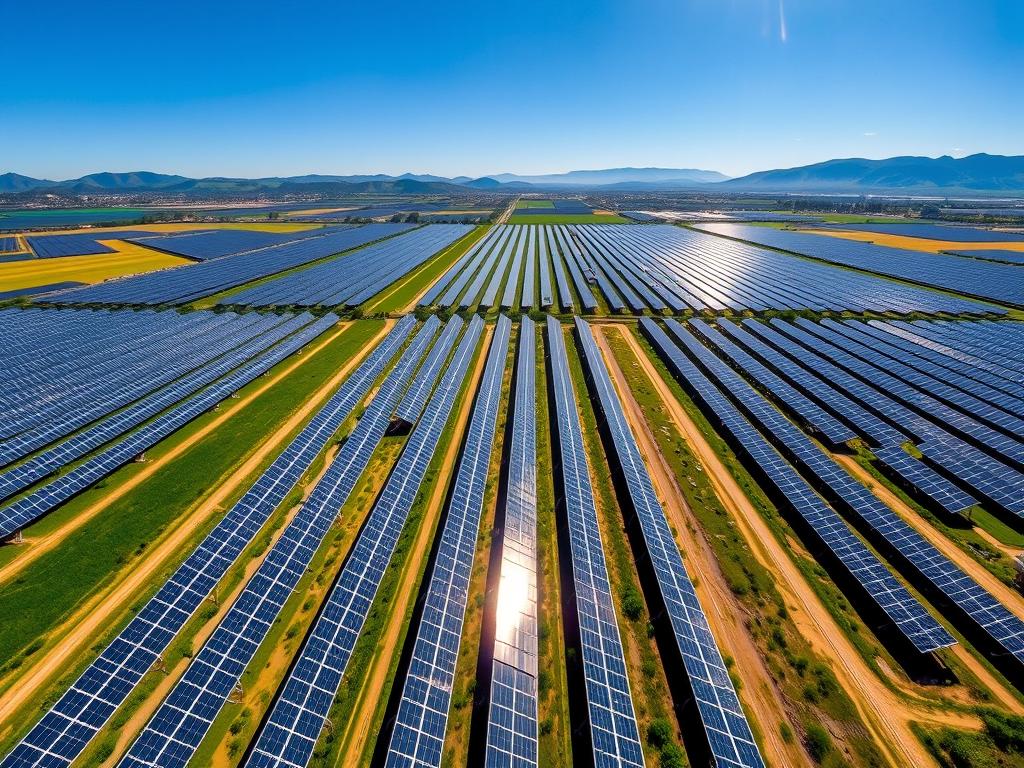
There are two main types of solar energy systems: grid-tied and off-grid. Knowing the difference is key to finding the right system for your needs.
Grid-Tied Solar Systems
Grid-tied systems connect to the electrical grid. They let you make your own electricity and still use the grid when needed. These systems work well with the current power setup, giving you reliable energy. Plus, you can send extra power back to the grid and get credits or money.
Off-Grid Solar Systems
Off-grid systems don’t connect to the grid. They provide power on their own, perfect for places without grid access. These systems use solar energy and batteries to meet all your power needs. They offer true energy freedom, great for remote areas.
Grid-tied and off-grid systems each have their benefits. Your location, energy use, and grid access are important in choosing the right system for you.
| Feature | Grid-Tied Solar Systems | Off-Grid Solar Systems |
|---|---|---|
| Connection to Electrical Grid | Connected to the grid | Not connected to the grid |
| Energy Independence | Partial energy independence | Complete energy independence |
| Energy Storage | No need for batteries | Requires battery storage |
| Electricity Generation | Supplements grid electricity | Provides all electricity needs |
| Initial Cost | Lower initial cost | Higher initial cost |
| Maintenance | Minimal maintenance | Regular battery maintenance required |
Solar Energy Storage Solutions
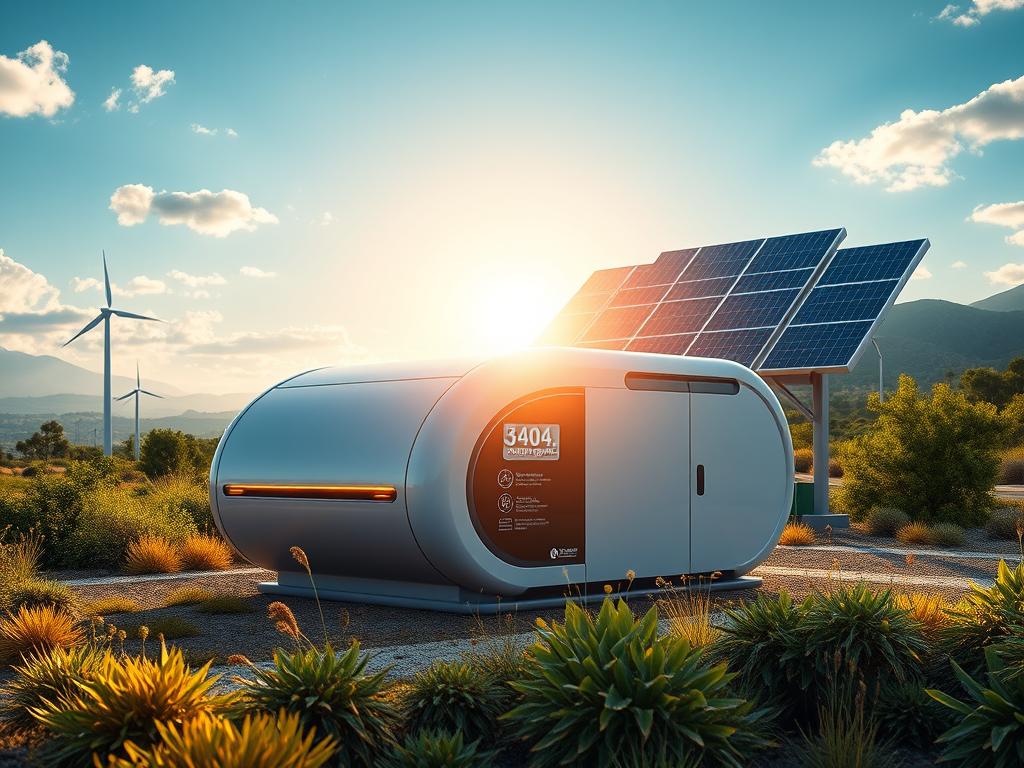
One big challenge in using solar energy is finding good ways to store it. Battery storage systems are a top choice. They let people store extra solar energy for when it’s dark or cloudy. This makes solar power systems more reliable, especially for those off the grid.
Battery Storage Systems
Battery storage systems are key for getting the most out of solar energy. They save extra power made when the sun is strong. Then, they use that power when it’s dark or cloudy, keeping the energy steady.
These systems are great for places far from the power grid. They help a lot in off-grid areas.
Using battery storage systems with solar energy has many benefits. It includes:
- More energy independence by using less grid power
- More reliable power, even when the grid is down
- Better use of solar energy by saving extra power
- Less need for fossil fuels and better for the environment
As solar energy tech gets better, so will battery storage systems. They will help make solar power more common. This will also make places more energy independent.
Factors Affecting Solar Panel Efficiency
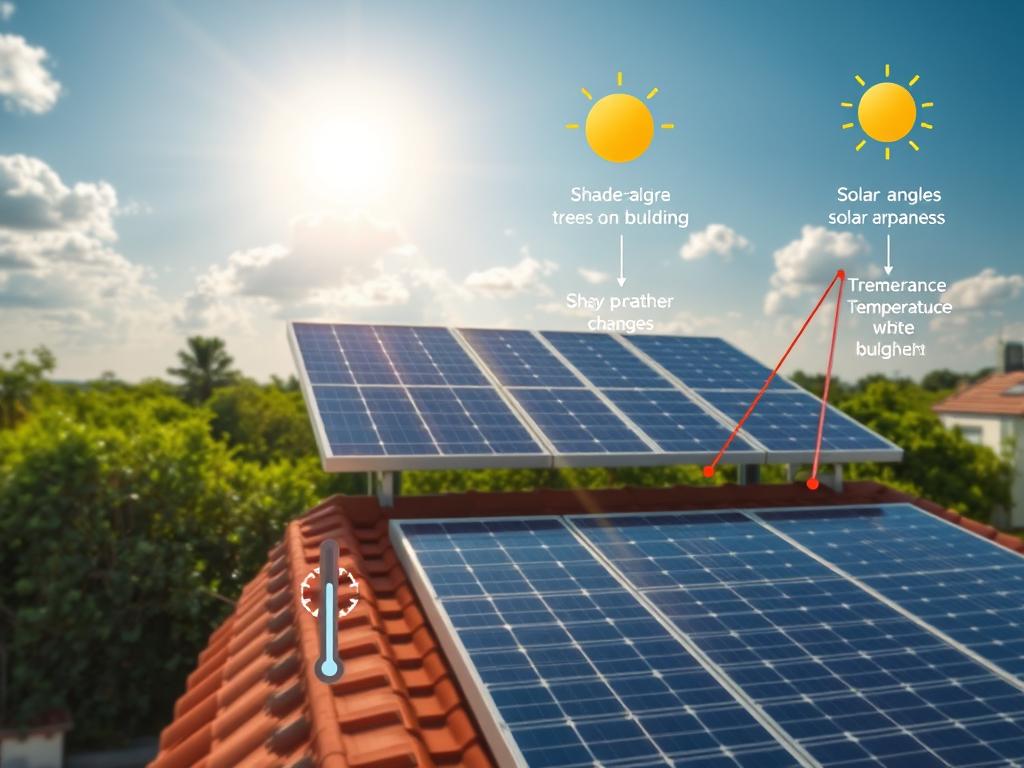
The efficiency of solar panels depends on many things. These include the environment and how the panels are made. Knowing these factors helps make your solar system work better.
Temperature is a big factor. When panels get hotter, they work less well. This is because high temperatures lower the voltage, cutting down on power.
Shading also plays a big role. Even a little shade from trees or buildings can hurt a lot. Shading can cause hot spots, leading to less efficiency and possible damage.
- Environmental factors like temperature and shading can significantly impact solar panel efficiency.
- The tilt angle of the solar panels is also crucial in maximizing efficiency. The optimal tilt angle depends on the latitude of the installation site and can change with the seasons.
- Factors like dirt, dust, and debris accumulating on the panel’s surface can also reduce the amount of sunlight reaching the photovoltaic cells, decreasing overall efficiency.
By understanding and addressing these factors, you can make your solar power system more efficient. This means you can make more clean, renewable energy from the sun.
| Factor | Impact on Solar Panel Efficiency |
|---|---|
| Temperature | Increased temperature can reduce voltage output and decrease efficiency. |
| Shading | Even partial shading can dramatically reduce power output and cause hot spots. |
| Tilt Angle | The optimal tilt angle depends on the latitude and can change with the seasons. |
| Dirt and Debris | Accumulated dirt, dust, and debris can reduce the amount of sunlight reaching the cells. |
Environmental Impact of Solar Energy
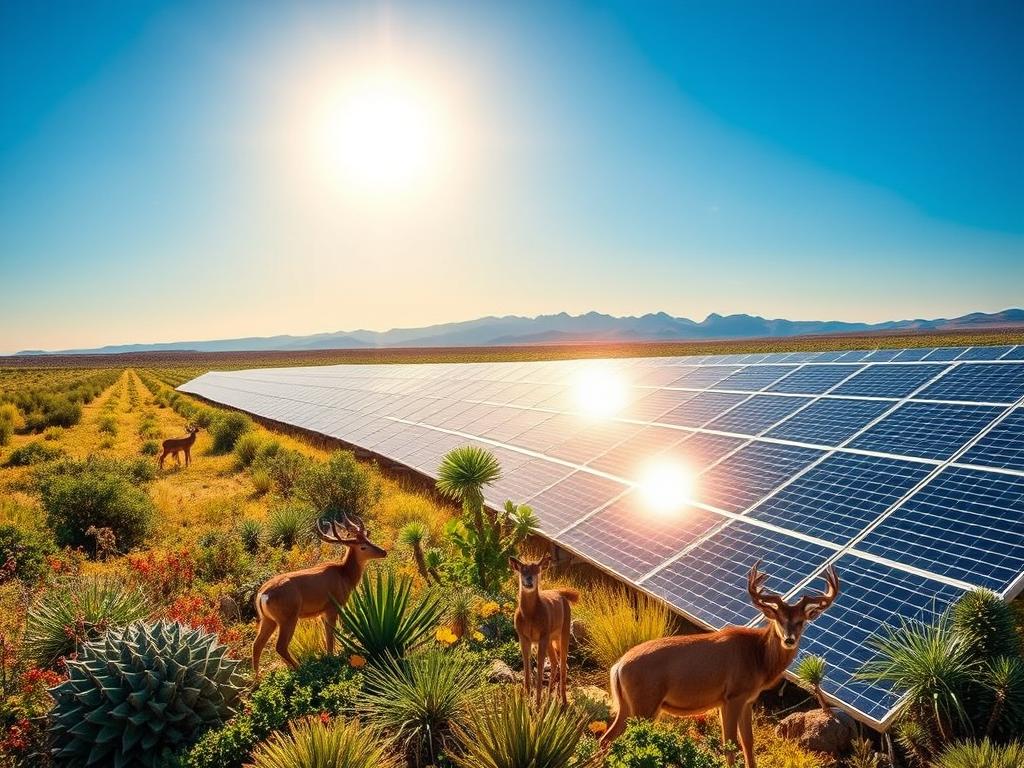
Solar energy is great for the environment. It produces much less carbon than traditional power sources. This is because it doesn’t release greenhouse gases when making electricity.
Using solar power helps fight climate change. It’s a step towards a greener future.
Reduced Carbon Footprint
Solar energy systems cut down on carbon emissions. Unlike fossil fuels, solar power doesn’t release harmful gases. This makes it a clean choice for energy.
 Alternatives to plastics: Solutions for a sustainable future
Choosing solar energy helps the planet. It supports global efforts to fight climate change and promote green living.
| Metric | Fossil Fuels | Solar Energy |
|---|---|---|
| Greenhouse Gas Emissions | High | Low |
| Water Consumption | High | Low |
| Land Use | High | Moderate |
| Waste Management | Complex | Simpler |
Switching to solar energy helps reduce our environmental impact. It’s a way to make our future more sustainable.
Solar Energy in Residential Applications
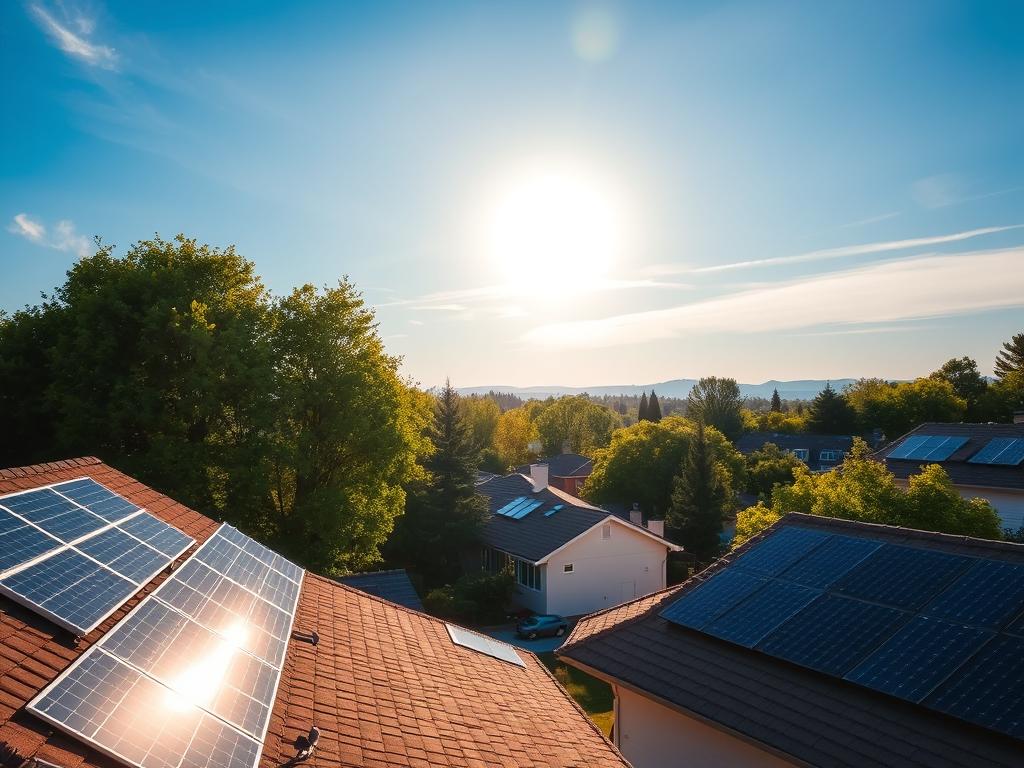
Homeowners are looking for ways to cut down on carbon emissions and save on energy. Residential solar energy is becoming a top choice. By putting up rooftop solar panels, they can make their own clean power. This cuts down their use of the grid and lowers their energy bills.
Adding solar panels does more than save money. It also makes homes more energy-efficient. Solar systems turn sunlight into electricity. This means less need for power from fossil fuels, helping the planet.
- Lower Utility Costs: Solar panels can cut down a lot on electricity bills, saving money over time.
- More Home Value: Homes with solar systems are more appealing to buyers, boosting their value.
- Good for the Planet: Using solar power reduces carbon emissions, helping the environment.
- Financial Help: Governments offer tax credits and rebates to encourage solar energy use.
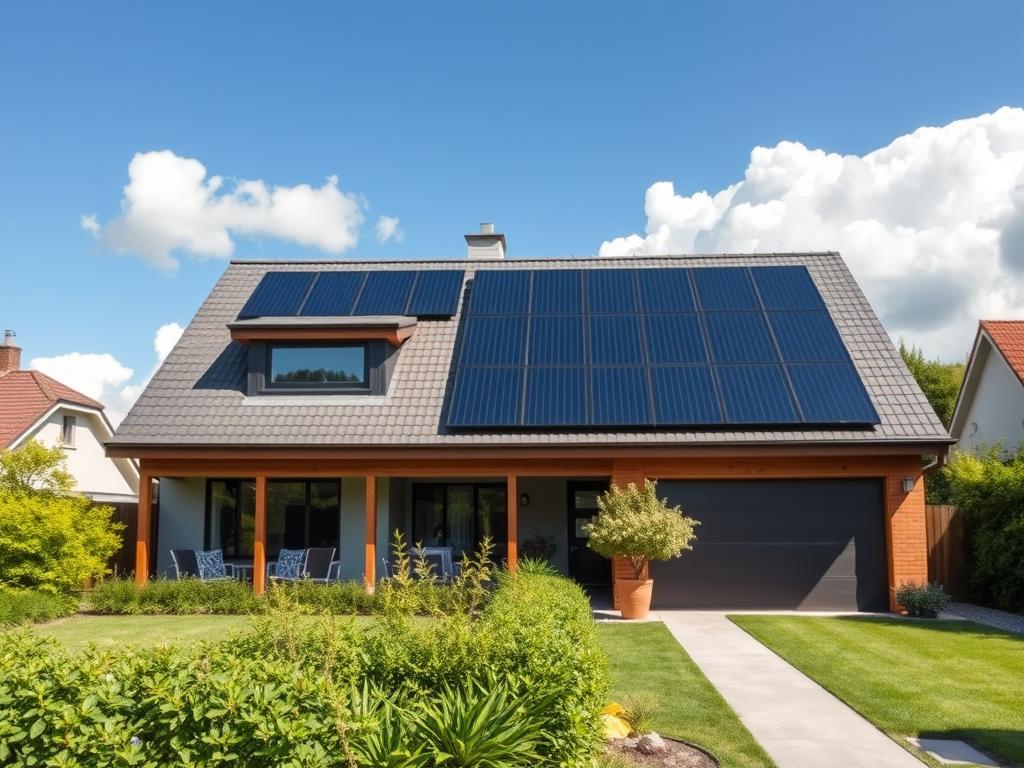
As solar tech gets better and cheaper, it’s becoming a great choice for homes. It helps reduce environmental harm and saves money in the long run.
Commercial and Industrial Solar Energy Usage
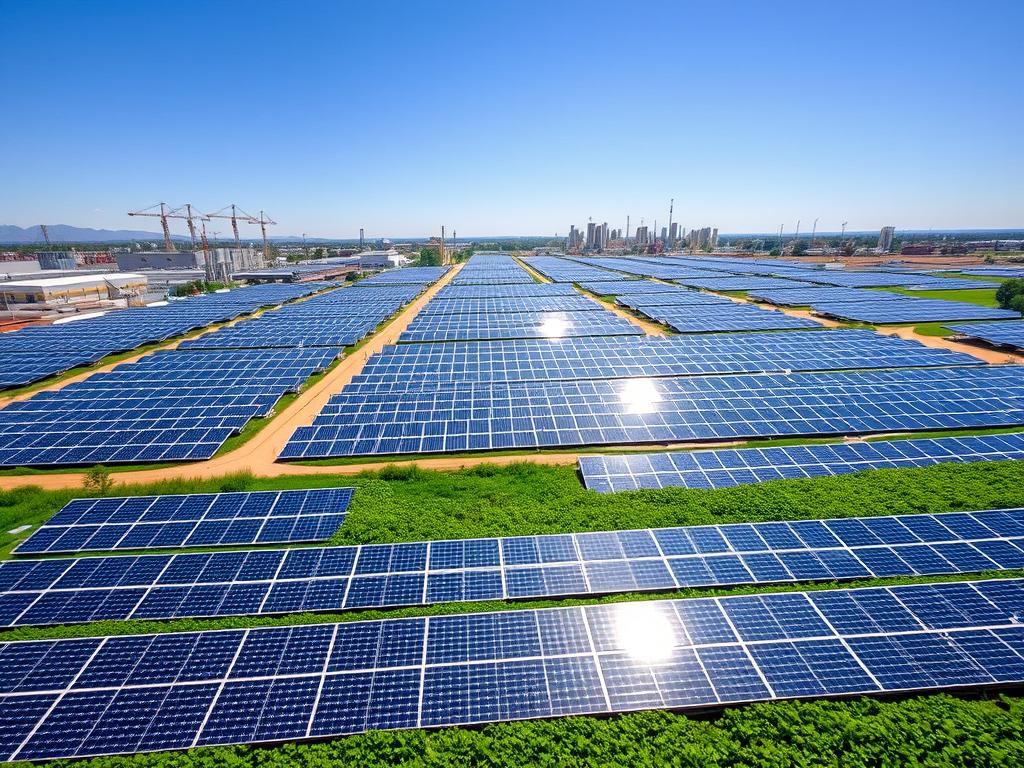
Solar energy is becoming popular in the commercial and industrial world, not just homes. Businesses and big facilities are using commercial solar energy systems. They make their own electricity, cut down on energy costs, and help the planet.
Using solar energy has many benefits. Companies can save money by making their own power. This also makes them less dependent on the grid and helps with changing energy prices. Plus, it makes them look good to customers who care about the environment.
| Sector | Advantages of Solar Energy | Challenges and Limitations |
|---|---|---|
| Commercial |
|
|
| Industrial |
|
|
More and more businesses are turning to solar energy. This clean energy helps them save money, be more independent, and be better for the planet. It’s a step towards a greener future.
Government Incentives for Solar Power Adoption
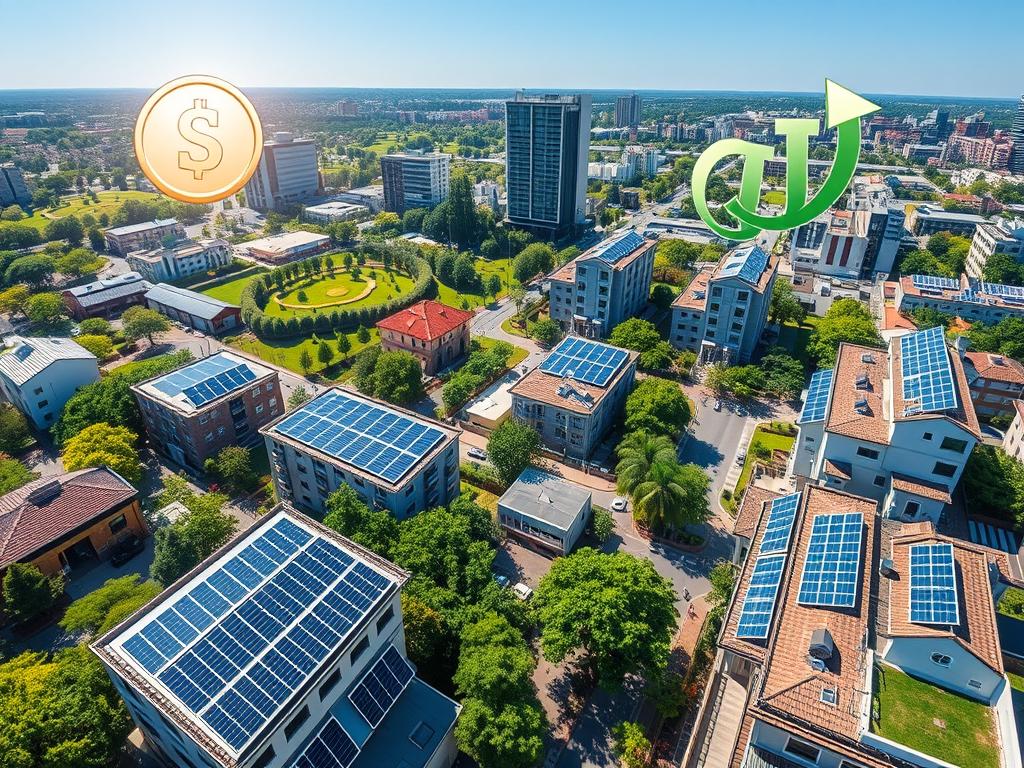
Governments worldwide have set up solar energy incentives and policies to boost renewable energy like solar power. These include tax credits, rebates, and other financial aids. They help lower the cost of starting up solar power systems.
These government policies and incentives make solar energy cheaper and easier to get for homes and businesses. This growth helps the environment too.
- Tax credits: Many governments offer tax credits or rebates to homeowners and businesses that install solar energy systems, reducing the upfront cost.
- Renewable energy targets: Some countries and regions have set ambitious renewable energy adoption targets, requiring a certain percentage of electricity to be generated from renewable sources like solar.
- Feed-in tariffs: These programs guarantee a fixed rate for the solar electricity generated and fed back into the grid, providing a steady revenue stream for solar system owners.
- Net metering: This policy allows solar system owners to receive credits on their utility bills for the excess solar energy they generate and send back to the grid.
These solar energy incentives and policies have really helped the solar power industry grow. They make solar power a better choice for homes and businesses.
Future of Solar Energy Technology
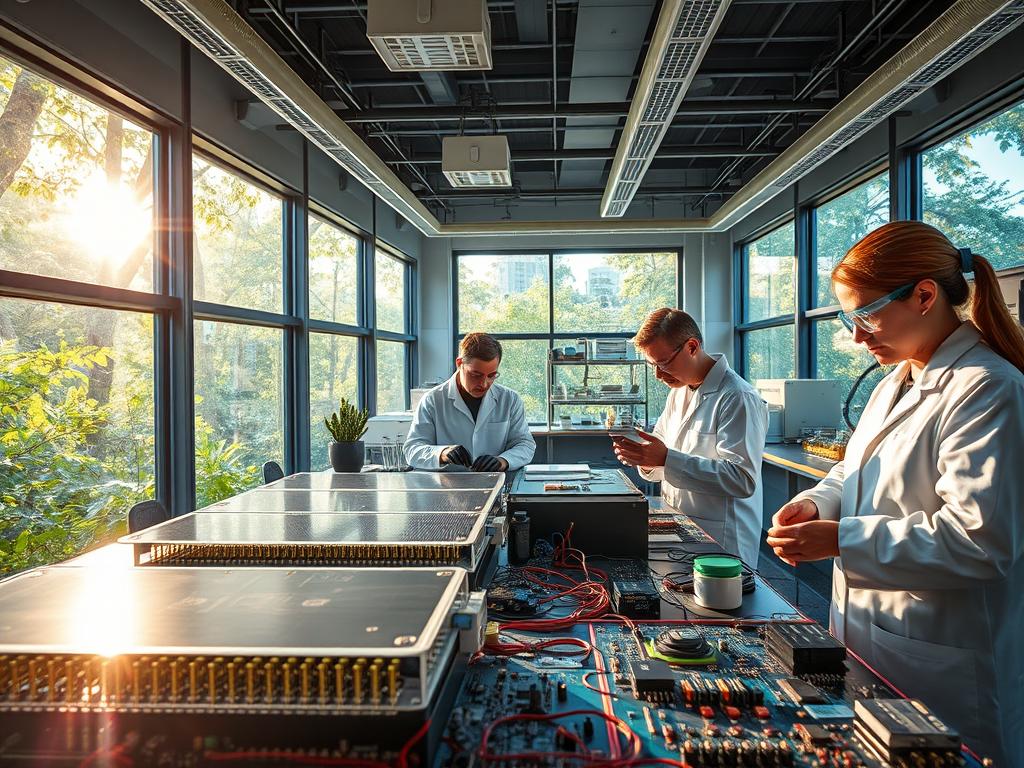
The future of solar energy technology looks bright. Scientists and engineers are working hard to make solar cells better. They’re looking at new materials and ways to make them to turn sunlight into electricity more efficiently.
These new solar cell technologies, along with better energy storage and grid connection, will make solar power even more viable. This will help solar power become a clean, renewable energy source for everyone.
Emerging Solar Cell Technologies
Some new solar cell technologies are changing the game:
- Perovskite solar cells: These cells could be more efficient and cheaper to make than traditional ones.
- Tandem solar cells: By using layers of different materials, these cells can catch more sunlight, leading to better renewable energy innovation.
- Organic solar cells: These are made from carbon and are flexible and light. They can be used in many ways, like in building roofs.
- Quantum dot solar cells: These use tiny materials to possibly make solar cells more efficient and work better in low light.
These new technologies, along with better ways to make them and lower costs, will help solar power grow. It will become a more appealing and reachable clean energy option for the future.
| Technology | Advantages | Challenges |
|---|---|---|
| Perovskite solar cells | Higher efficiency, lower cost | Stability and durability issues |
| Tandem solar cells | Enhanced spectrum capture, improved efficiency | Complex manufacturing process |
| Organic solar cells | Flexibility, lightweight, building integration | Lower efficiency, shorter lifespan |
| Quantum dot solar cells | High efficiency, better low-light performance | Scalability and cost challenges |
Cost Analysis of Solar Power Systems
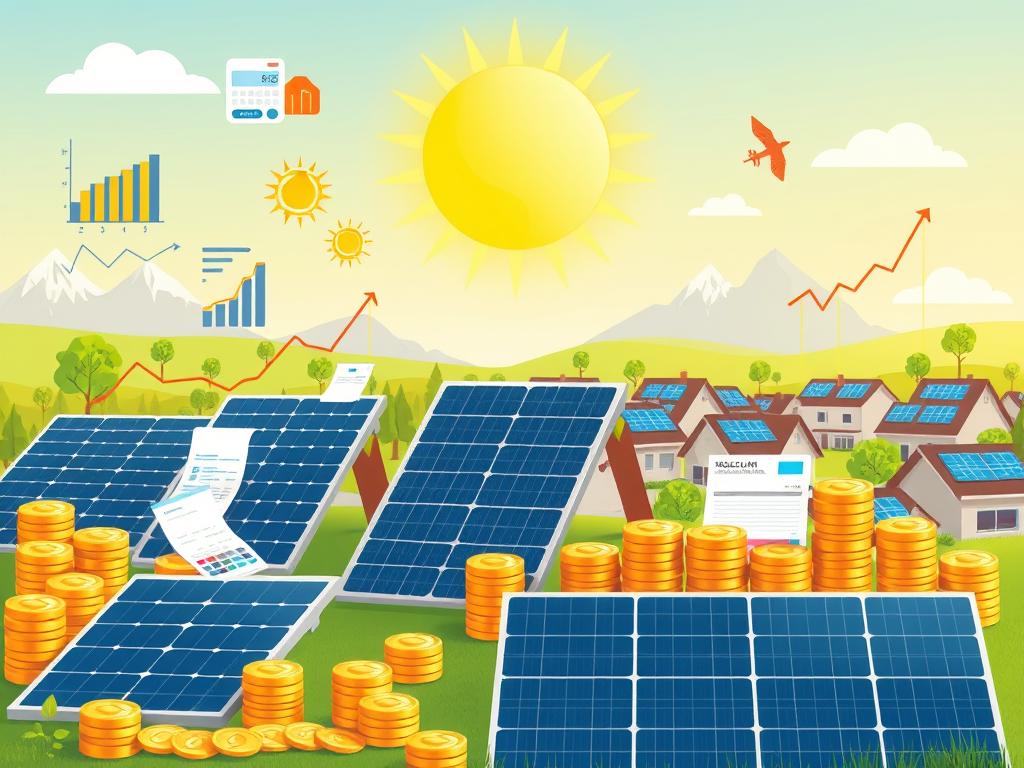
The cost of solar power systems is key when deciding to go solar. The upfront installation costs for solar panels and parts can be steep. Yet, the operational costs are often very low.
Government incentives, economies of scale, and tech improvements are lowering the cost of solar power systems. This makes solar energy more affordable and attractive to more people.
Doing a thorough cost-benefit analysis is crucial. It helps see the financial and environmental gains of solar energy. This analysis looks at installation costs, operational costs, and savings from lower energy bills and incentives.
| Cost Factors | Average Cost (USD) |
|---|---|
| Solar Panel Installation | $15,000 – $25,000 |
| Solar Inverter | $1,000 – $3,000 |
| Wiring and Electrical Components | $500 – $2,000 |
| Permits and Inspections | $500 – $1,000 |
| Annual Maintenance | $100 – $500 |
Knowing the costs of solar power systems helps consumers make smart choices. It lets them see the long-term benefits against the initial cost. This knowledge encourages more people to choose solar energy, leading to a greener future.
Solar Energy Installation and Maintenance
Installing and maintaining solar power systems is key for their best performance and life span. Proper solar energy installation by experts ensures panels are set up right. Regular upkeep, like cleaning panels and checking system performance, keeps the system running well.
 Wind energy: How it works and its impact on the environment
Talking to solar energy experts can guide you through maintenance and planning. They offer tips on optimizing your system. This way, your solar power system will work at its best for many years.
Working with skilled solar installation and maintenance teams gives you confidence. Your system will be set up and cared for to the highest level. This investment boosts your system’s efficiency, cuts down energy costs, and reduces carbon emissions.


