
Air pollution: Causes and effects on human health

Air pollution is a big threat to our health. It comes from many sources, like industrial emissions, car exhaust, and human actions. Being exposed to these pollutants can cause breathing problems, heart diseases, and more. It’s important to know how air pollution works to help make our air cleaner and safer.
Air pollution is a major issue worldwide. It harms our health and well-being. From smog in cities to hidden toxins in our air, its effects are huge. By learning about air pollution’s causes and effects, we can see why we must act fast to fix it.
Understanding Air Pollution
Air pollution is when harmful substances like particulate matter, gases, and chemicals are in the air. These pollutants can come from natural and human-made sources. Sources include industrial processes, transportation, and farming. Knowing where these pollutants come from is key to solving this big environmental problem.
What is Air Pollution?
Air pollution is when the air gets contaminated with harmful substances. These can affect human health, the environment, and the climate. Pollutants can be fine particles or toxic gases, both of which are dangerous in large amounts.
Sources and Types of Air Pollutants
The main sources of air pollution are:
- Industrial Emissions: Factories, power plants, and other industrial sites release pollutants like particulate matter, sulfur dioxide, and nitrogen oxides.
- Vehicular Exhaust: Cars, trucks, and other vehicles emit gases and particulates, adding to air pollution.
- Agricultural Activities: Farming, fertilizer use, and crop burning release methane, ammonia, and particulate matter.
- Household Activities: Burning wood or fossil fuels for heating and cooking, and using certain products, also pollutes the air.
Common air pollutants include:
- Particulate Matter (PM): Tiny particles like dust, soot, and smoke.
- Nitrogen Oxides (NOx): Gases like nitric oxide and nitrogen dioxide that form smog and acid rain.
- Sulfur Dioxide (SO2): A gas from burning fossil fuels like coal and oil.
- Carbon Monoxide (CO): A gas from incomplete fossil fuel burning.
- Volatile Organic Compounds (VOCs): Easily evaporating chemicals that help form ground-level ozone.
Knowing where air pollutants come from is vital. It helps us find ways to reduce pollution. This is important for our health and the environment.
Major Causes of Air Pollution
Air pollution is a big problem, mainly caused by industrial emissions and car exhaust. Industrial processes like making things, generating power, and mining release harmful pollutants. Cars and trucks also pollute a lot, especially because they use fossil fuels.
Industrial Emissions
The industrial sector is a big part of air pollution. In Punjab Province, Pakistan, emissions were 7,017 kilotons per year in 2020. This is much higher than in 1990.
Vehicular Exhaust
Cars and trucks also pollute a lot. They release harmful substances like nitrogen oxides and carbon monoxide. In cities like Lahore, Pakistan, the air quality is often very bad because of cars.
| Pollutant Source | Contribution to Air Pollution |
|---|---|
| Industrial Emissions | 54.2% of national GDP |
| Vehicular Exhaust | Over 13 million population in Lahore |
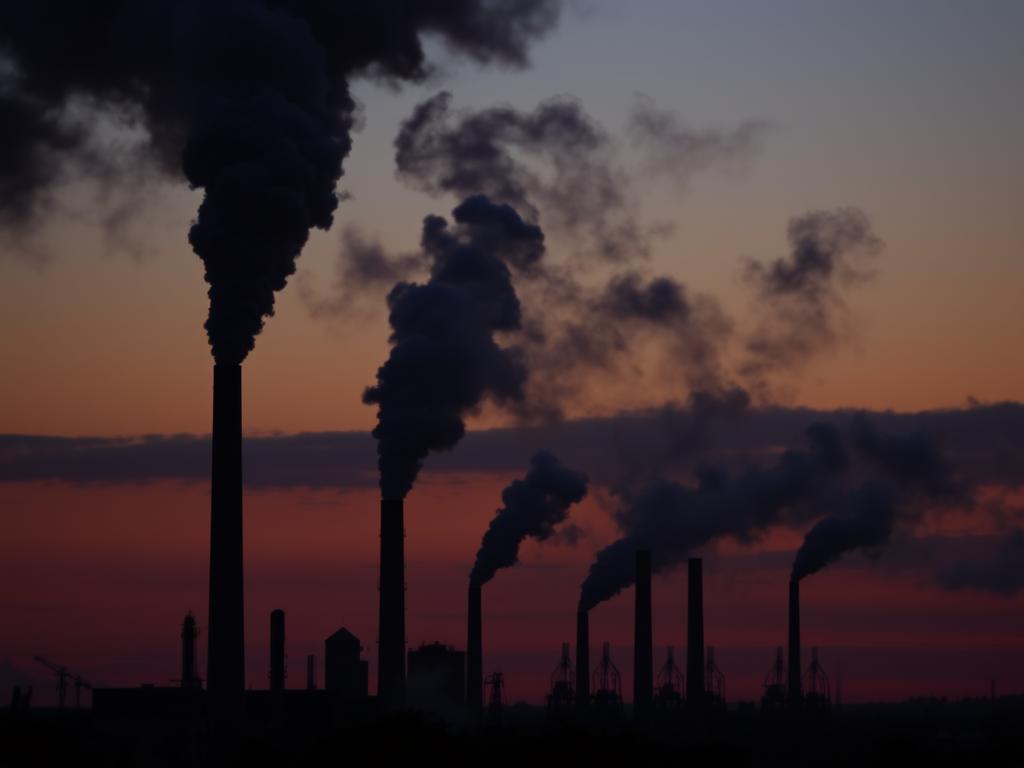
We need to tackle these big causes of air pollution to make the air cleaner. Governments, industries, and people must work together. We need to use new technologies and change our ways to reduce pollution.
Air pollution
Particulate matter, or PM, is a mix of tiny solid or liquid particles in the air. These small particles (PM2.5 and PM10) can deeply enter our lungs, causing health issues. Being exposed to PM can lead to lung cancer, heart disease, and even death.
Understanding the Dangers of Particulate Matter
PM comes from industrial emissions, vehicle exhaust, and natural sources like dust and wildfires. The smaller the particle, the more harmful it is. It can get into our bloodstream, causing serious health problems.
These problems include asthma, lung cancer, heart disease, and even death. PM also harms the environment, causing acid rain, smog, and climate change.
Addressing the Impact of Particulate Matter
It’s important to reduce our exposure to PM for our health and the environment. Governments have set stricter emissions standards and promoted clean energy. They also invest in public transportation.
But we can help too. By using public transport, reducing energy use, and supporting clean air policies, we can make a difference.
| Pollutant | Health Effects | Environmental Impacts |
|---|---|---|
| Particulate Matter (PM2.5 and PM10) |
|
|
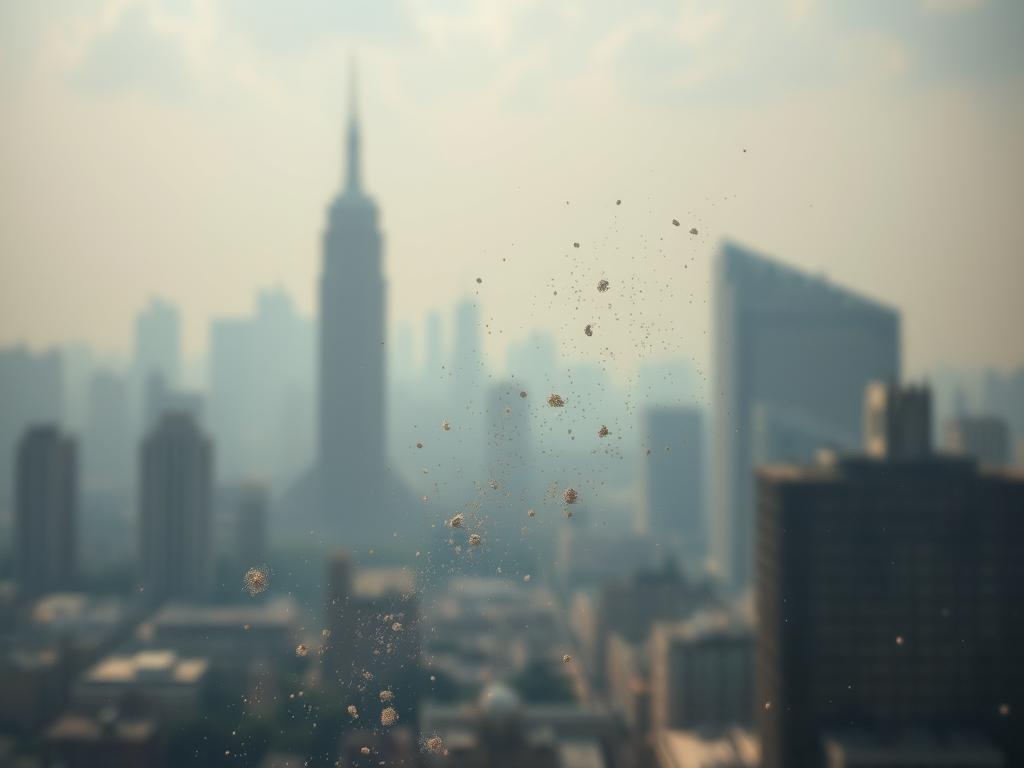
By understanding PM’s dangers and reducing our exposure, we can protect our health and the environment for future generations.
Effects of Air Pollution on Human Health
Air pollution is a big threat to our health, especially our lungs. It can cause or make worse many lung diseases. This is very bad for kids, old people, and those with lung problems.
Respiratory Illnesses
Air pollution can cause many lung problems. Particulate matter (PM) can get deep into our lungs, making them inflamed. Ozone (O3) can also hurt our lungs, causing coughing and breathing trouble.
Almost everyone in the world (99%) breathes air that’s too polluted. This is very bad for our health. Also, household air pollution caused 3.2 million deaths in 2020.
Children are especially at risk from air pollution. Over 237,000 kids under 5 died from it. Together, air pollution from outside and inside homes causes 6.7 million early deaths every year.
We need to fight air pollution in many ways. This includes  cutting down emissions and teaching people about lung health.
Cardiovascular Diseases and Air Pollution
Air pollution is linked to a higher risk of cardiovascular diseases. Fine particles and pollutants can cause heart disease, stroke, and other heart problems. They do this by causing inflammation, oxidative stress, and affecting blood clotting and heart rhythm.
People with heart conditions are more at risk from air pollution. This is because their hearts are already under strain.
 Alternatives to plastics: Solutions for a sustainable future
Studies have shown that even low levels of air pollution can harm the heart. Air pollution can lead to:
- Increased risk of heart attacks and strokes
- Worsening of existing heart conditions, such as angina and heart failure
- Disruption of the heart’s normal rhythm, leading to arrhythmias
- Inflammation of the blood vessels, leading to the development of atherosclerosis
- Increased blood clotting, which can contribute to the formation of blood clots
The exact ways air pollution affects the heart are complex. But, inhaling fine particles and pollutants can start a chain of events. These events can lead to heart diseases or make them worse.
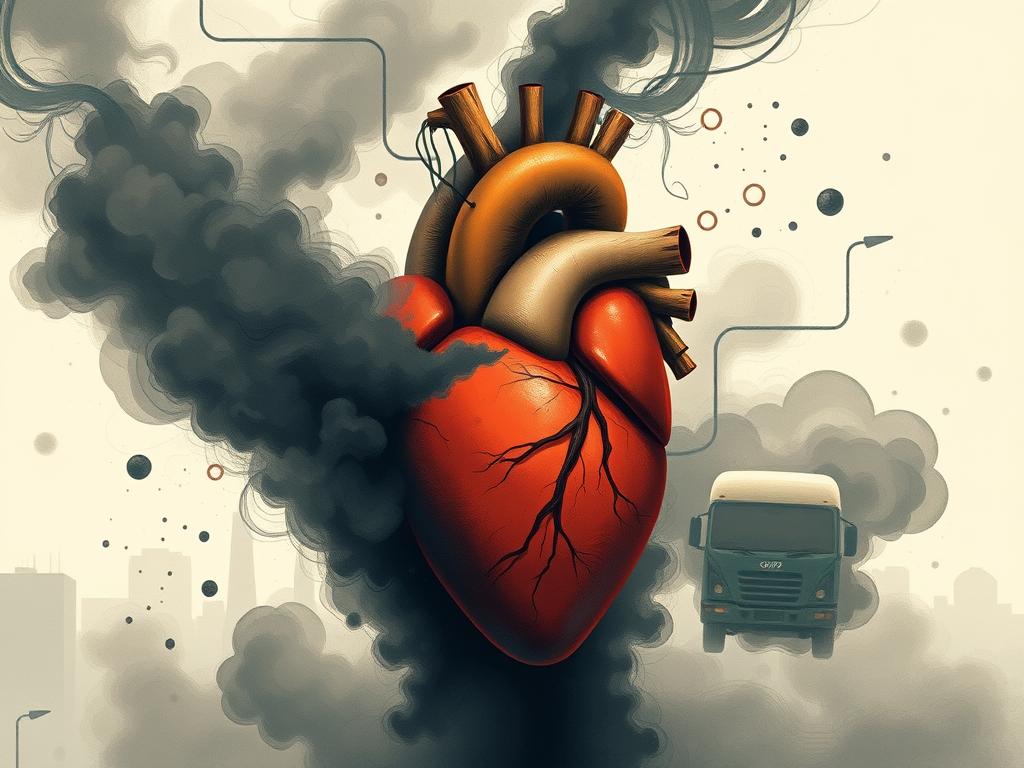
It’s crucial for people, especially those with heart conditions, to know about air pollution risks. They should try to avoid it by staying indoors when pollution is high. Using air purifiers and avoiding busy areas can also help.
Public health efforts to reduce air pollution can greatly help. This can lower the number of heart diseases in the population.
Environmental Impact of Air Pollution
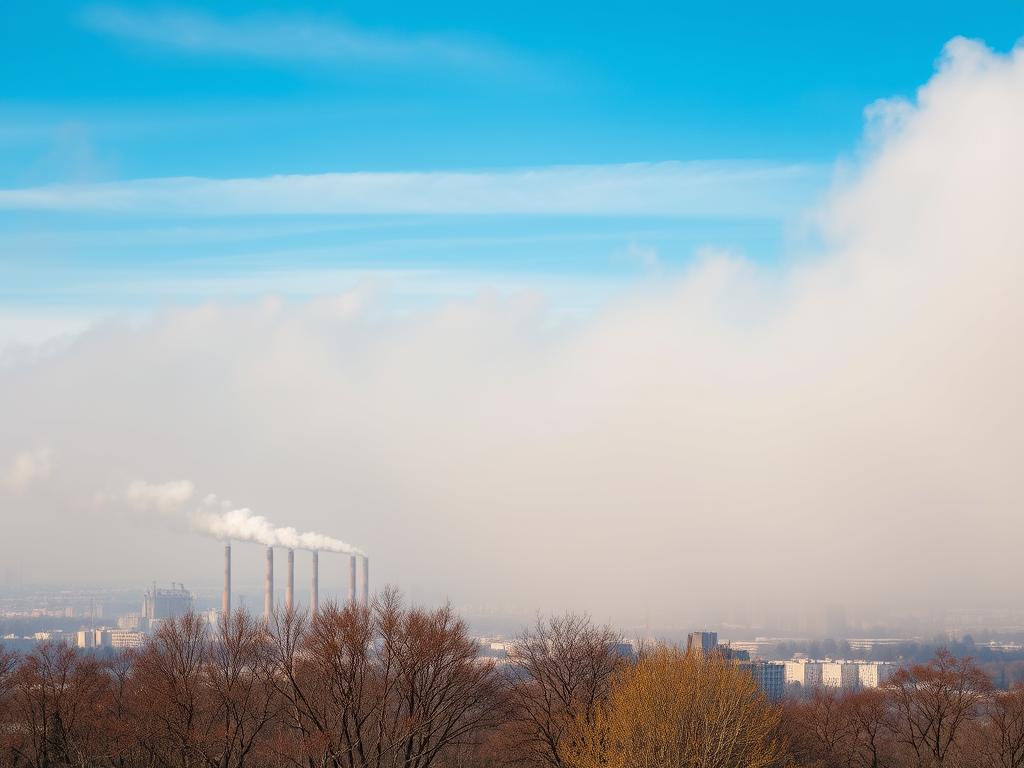
Air pollution harms not just human health but also the environment. It leads to acid rain by reacting pollutants with water vapor. Acid rain damages ecosystems, forests, and aquatic life, harming natural habitats.
Moreover, air pollution, especially greenhouse gas emissions, causes climate change. These gases trap heat, raising global temperatures and sea levels. This can lead to biodiversity loss, weather disruptions, and more frequent natural disasters.
Acid Rain and Its Consequences
Acid rain is a major environmental problem. It harms water bodies, soil, and plant growth. It can also deplete soil nutrients, affecting the entire food chain and environment health.
Greenhouse Gas Emissions and Climate Change
Greenhouse gas emissions from industries, transport, and farming drive climate change. These gases warm the atmosphere, changing weather, sea levels, and more. This can displace people, harm biodiversity, and increase disaster risks.
| Environmental Impact | Consequences |
|---|---|
| Acid Rain |
|
| Greenhouse Gas Emissions |
|
Reducing Your Carbon Footprint
We all play a key role in fighting air pollution and climate change. Making eco-friendly choices daily can greatly reduce our carbon footprint. This helps create a healthier, more sustainable world for the future.
Eco-friendly Transportation Options
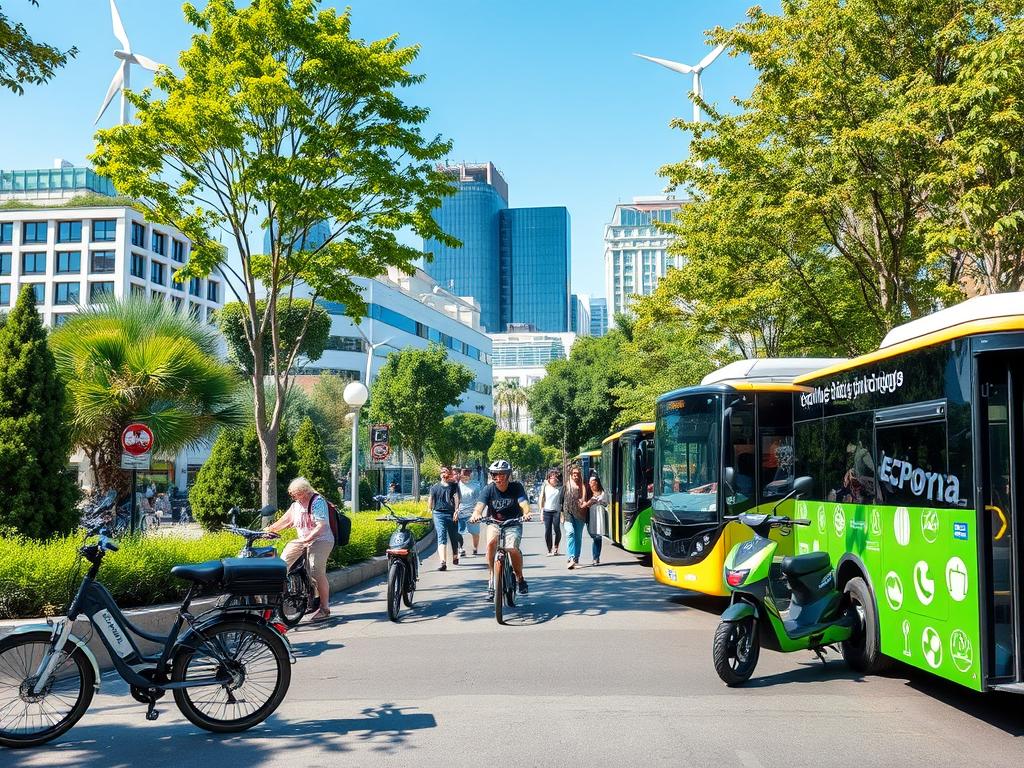
Choosing sustainable transport is a big step towards reducing your carbon footprint. Electric vehicles are a great option, as they don’t emit direct emissions and run on clean energy. Public transport, like buses and trains, can cut emissions by up to 37% per mile.
Cycling and walking are also excellent choices. They eliminate emissions and promote a healthier lifestyle.
Energy-efficient Practices at Home
At home, you can make many changes to lower your environmental impact. LED bulbs use up to 80% less energy than old bulbs and last longer. Improving your home’s insulation can also cut down on heating and cooling energy use.
Switching to reusable items, like shopping bags and water bottles, can also help. This reduces plastic waste.
By choosing eco-friendly transport and using energy-efficient practices at home, you can make a big difference. Every small step towards sustainability helps fight air pollution and climate change.
| Eco-friendly Choice | Impact on Carbon Footprint |
|---|---|
| Electric Vehicle | Zero direct emissions |
| Public Transportation | Up to 37% reduction in greenhouse gas emissions per passenger mile |
| Cycling | Eliminates emissions, promotes physical activity |
| LED Lighting | Up to 80% less energy consumption than traditional bulbs |
| Reusable Items | Reduces plastic waste and conserves resources |
Air Quality Monitoring and Regulations
Governments worldwide are tackling air pollution with new policies. In Punjab, Pakistan, the provincial government is leading the charge. They’re monitoring air quality and enforcing rules to protect public health.
Government Initiatives and Policies
The Punjab government set up a Smog Monitoring Unit (SMU) in Lahore. This team of 30 works on smog management. They also started the “Mera Punjab Smog-Free Internship Program” to get young people involved in environmental efforts.
The government is focusing on several areas to fight air pollution. They’re working on agriculture, transportation, industry, energy, and health. Programs like “Green Masstransit” and solarizing public buildings are part of the plan. These steps aim to cut down emissions and clean the air in Punjab.
| Initiative | Description |
|---|---|
| Smog Mitigation Plan | A three-phase plan focusing on preventive measures, enforcement, and in-season actions to mitigate smog severity. |
| Smog Monitoring Unit (SMU) | A 30-member unit within the Planning and Development Board in Lahore, supervising TORs for effective smog management. |
| Mera Punjab Smog-Free Internship Program | An initiative to engage 2,000 students in a 3-month internship aimed at combating smog in Punjab. |
| Sectoral Initiatives | Measures targeting the agriculture, transportation, industry, energy, and health sectors to reduce emissions and improve air quality. |
The government’s efforts show a strong commitment to solving Punjab’s air quality problems. Lahore, in particular, has seen a lot of smog lately. With these strategies and the help of many, the government hopes to make the air cleaner and healthier for everyone.
Smog: A Visible Threat
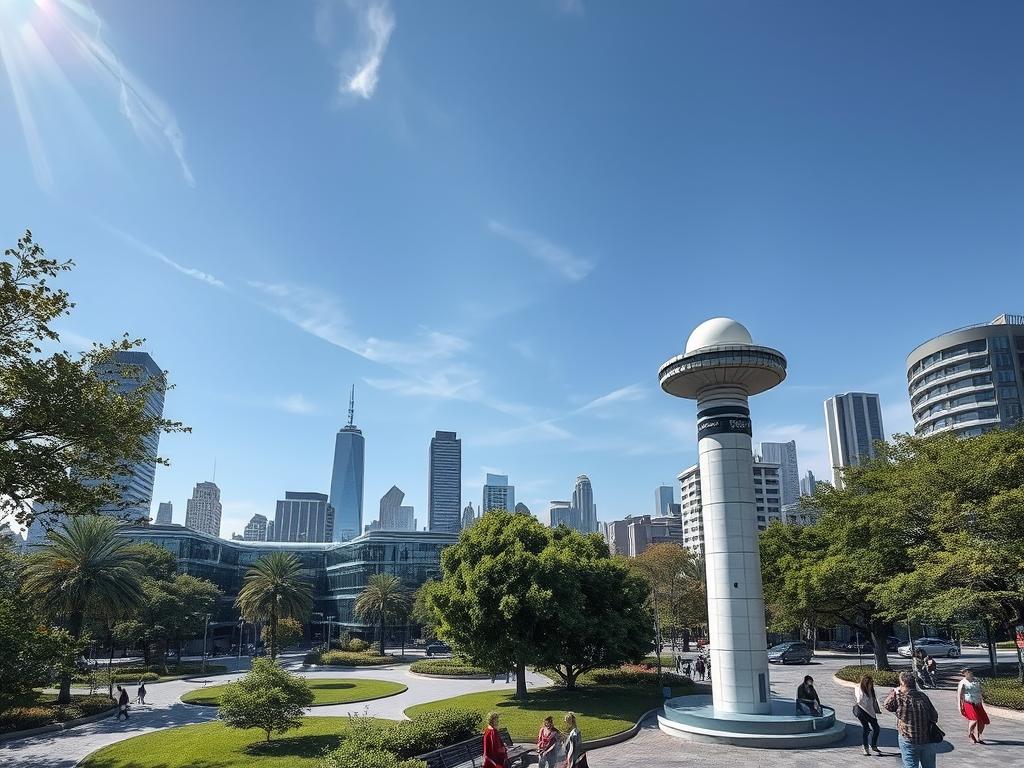
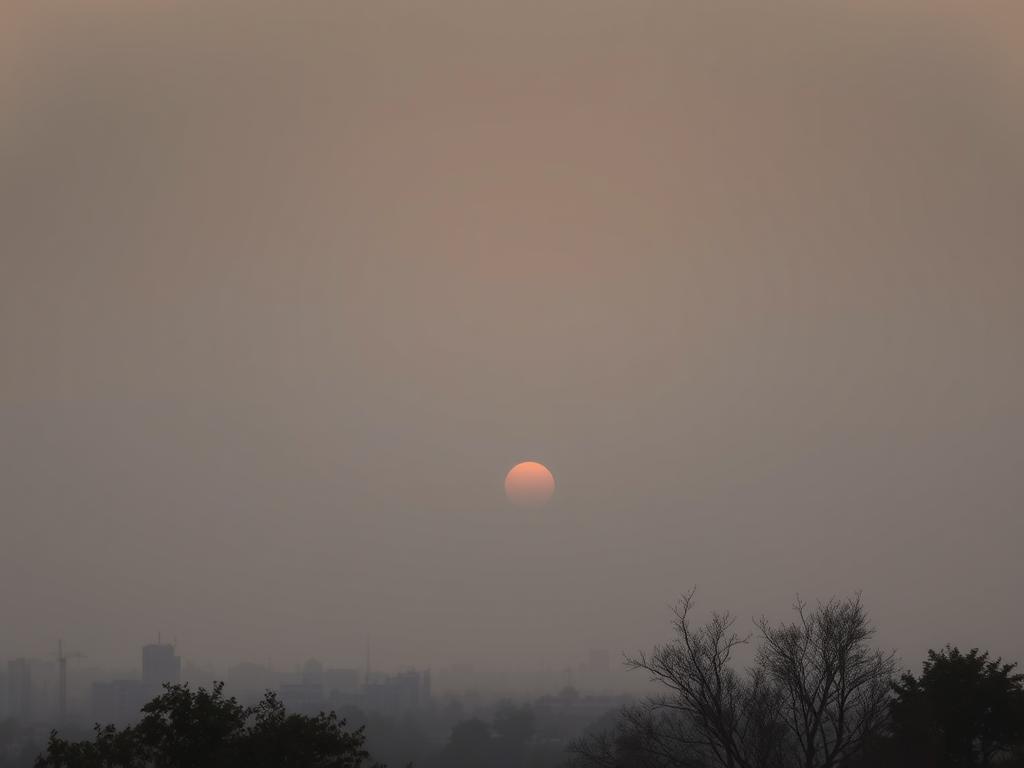
Smog is a mix of smoke, haze, and pollutants that harms visibility. It’s common in cities and industrial places where pollution is high. Smog is a clear sign of bad air quality, posing health risks, especially for the weak.
Smog forms when sunlight meets pollutants like nitrogen oxides and volatile organic compounds. These come from human activities like factories, cars, and burning fossil fuels. Where smog appears depends on location, weather, and pollution sources.
Smog can make it hard to see, reducing visibility to just a few hundred meters. This makes driving, flying, and going outside tough. In bad cases, smog can block the horizon, making everything look hazy and scary.
Smog is more than just a bad view; it shows serious air pollution problems. Being near smog can cause breathing issues like asthma and lung infections. It can also lead to heart disease and cancer over time.
| Visibility Range | Air Quality Index (AQI) Range | Health Implications |
|---|---|---|
| 5-10 miles | 51-100 (Moderate) | Acceptable air quality, but some pollutants may pose a moderate health concern for a small number of people who are unusually sensitive to air pollution. |
| 2-5 miles | 101-150 (Unhealthy for Sensitive Groups) | Members of sensitive groups may experience health effects, while the general public is less likely to be affected. |
| 1-2 miles | 151-200 (Unhealthy) | Everyone may begin to experience health effects, with members of sensitive groups experiencing more serious effects. |
| Less than 1 mile | 201-300 (Very Unhealthy) | Health warnings of emergency conditions, with the entire population more likely to be affected. |
To fight smog, we need to tackle pollution from many angles. This includes stricter rules on emissions, using clean energy, and getting communities involved in monitoring air quality. By reducing pollution, we can make the air cleaner and safer for everyone.
 Wind energy: How it works and its impact on the environment
Indoor Air Pollution: An Overlooked Issue
While we often talk about outdoor air pollution, indoor air pollution is just as dangerous. Household cleaners, building materials, and some products can pollute our homes. These pollutants can cause breathing problems, headaches, and even lung cancer over time.
It’s important to focus on improving indoor air quality. This helps keep us healthy and feeling our best.
Sources and Health Risks
Some common sources of indoor air pollution include:
- Volatile organic compounds (VOCs) from paints, varnishes, and cleaning products
- Particulate matter from cooking and heating appliances
- Mold and mildew growth due to excess moisture
- Radon gas, a naturally occurring radioactive substance
- Secondhand smoke from tobacco products
Being exposed to these indoor air pollutants can lead to serious health issues. These include:
- Respiratory problems like asthma and lung irritation
- Headaches, dizziness, and fatigue
- Increased risk of heart disease and stroke
- Long-term conditions like lung cancer and other chronic illnesses
Keeping our indoor air clean is key to staying healthy. By knowing where pollution comes from and taking action, we can make our homes safer. This helps us avoid the dangers of air quality health risks.

Environmental Justice and Air Pollution
Air pollution hits hard on communities that are already struggling. This includes low-income areas and communities of color. These places often have more pollution because of their location near industrial sites and busy roads. It’s important to fight this injustice so everyone can breathe clean air, no matter their background or income.
Disproportionate Impact on Marginalized Communities
Research shows that marginalized communities face more air pollution. This is because they live close to pollution sources. This can cause more health problems like breathing issues and heart diseases.
The U.S. Environmental Protection Agency (EPA) says these communities face a “triple threat.” They get exposed to more pollution, have less access to healthcare, and face economic challenges. These make it harder for them to deal with bad air quality.
To help, the EPA and other groups have started new policies. They aim to make sure everyone has clean air. This includes stricter rules on pollution, green projects, and programs to help communities. These efforts are to make people aware and help them fight for clean air.
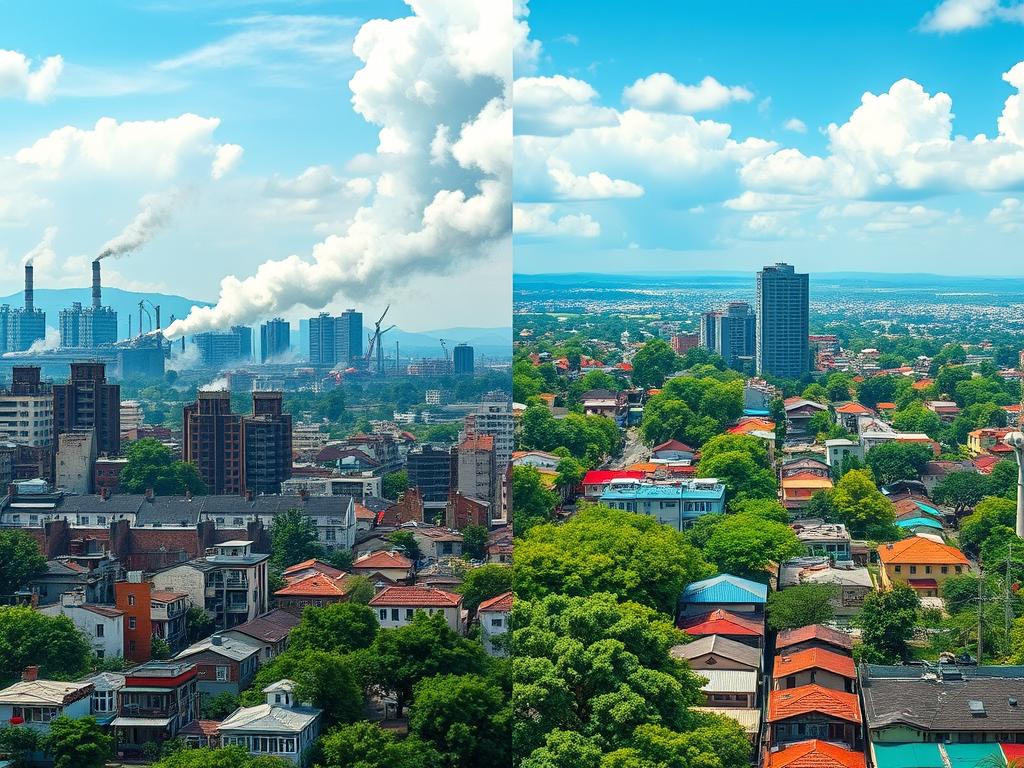
By tackling air pollution’s unfair effects, we can work towards a fairer future. A future where everyone can breathe easily and live sustainably.
Emerging Technologies for Air Pollution Control
The world is facing a big challenge with air pollution. New technologies are coming to help solve this problem. These solutions are making air pollution control more efficient and green.
Renewable energy like solar, wind, and hydropower is becoming more common. It’s used to power factories and cars, reducing harmful emissions. Electric cars are also becoming popular, cutting down on pollution from vehicles.
Carbon capture and storage (CCS) is another important technology. It captures carbon dioxide from big polluters and stores it underground. This stops it from harming our climate.
- University of Edinburgh start-up firm EVA Biosystems won the Net Zero category at the Converge Awards, securing a £30,000 cash prize and £19,500 of in-kind business support. EVA Biosystems’ innovation involves adding bacteria to conventional plastics to break them down in environments like seawater, aiming to combat plastic pollution.
- Ujamaa Spice won the Create Change category at the Converge Awards, focusing on social impact within the spice industry.
- SEASAT from the University of Edinburgh secured the top prize in the KickStart category, providing early warning systems for the aquaculture industry.
- In the KickStart category, PalmAlt from Queen Margaret University was one of two runners-up, offering a palm oil replacement in bakery products.
New air filters and monitoring tools are also helping. They can find and measure pollutants accurately. This helps us tackle pollution more effectively.
| Challenge | Winner | Prize |
|---|---|---|
| Converge Challenge | Undisclosed | £50,000 cash and £20,500 in-kind business support |
| Create Change Challenge | Ujamaa Spice | £30,000 cash and £10,500 in-kind business support |
| Net Zero Challenge | E.V.A Biosystems | £30,000 cash and £19,500 in-kind business support |
These new air pollution control technologies are very promising. They help us fight air pollution, protect health, and work towards a greener future. As we keep improving, we’ll see even more ways to clean our air and reduce pollution’s harm.
Raising Awareness and Public Engagement
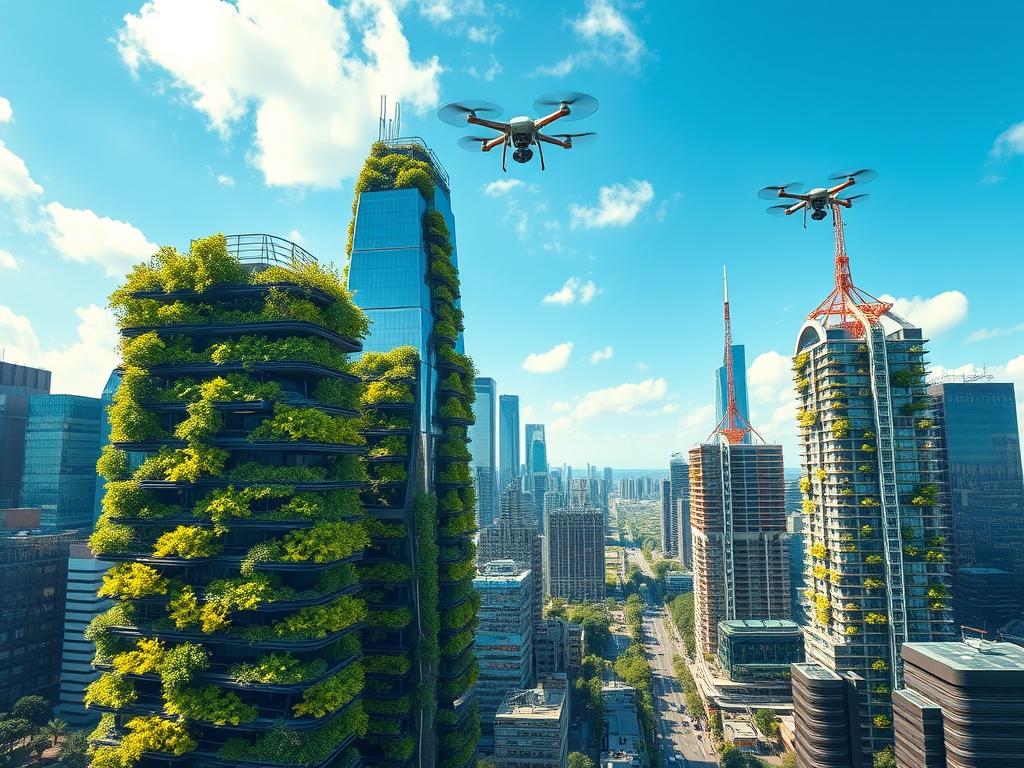
Addressing air pollution needs everyone’s help. We can make a big difference by spreading the word and getting involved. By pushing for better rules and living greener, we can all help.
The Role of Individuals and Communities
Every person can fight air pollution. Start by learning about air pollution and share what you know. Push for stronger laws and support clean air projects in your area. Use public transport, save energy, and throw away less.
Groups, local governments, and schools are also key. They can help by running awareness events, offering help, and encouraging people to act. Together, we can make a big change in our communities and beyond.
| Action | Impact |
|---|---|
| Educating yourself and others about air pollution | Raises awareness and encourages informed decision-making |
| Advocating for stricter regulations and supporting clean air initiatives | Drives policy changes and creates a cleaner, healthier environment |
| Adopting eco-friendly habits in daily life | Reduces individual and collective carbon footprint, setting an example for others |
| Community organizations and institutions organizing awareness campaigns and empowering residents | Amplifies the impact of individual efforts and creates a sense of collective responsibility |
By joining forces, we can raise awareness about air pollution. Together, we can make our future cleaner, healthier, and more sustainable.
Sustainable Development and Air Quality
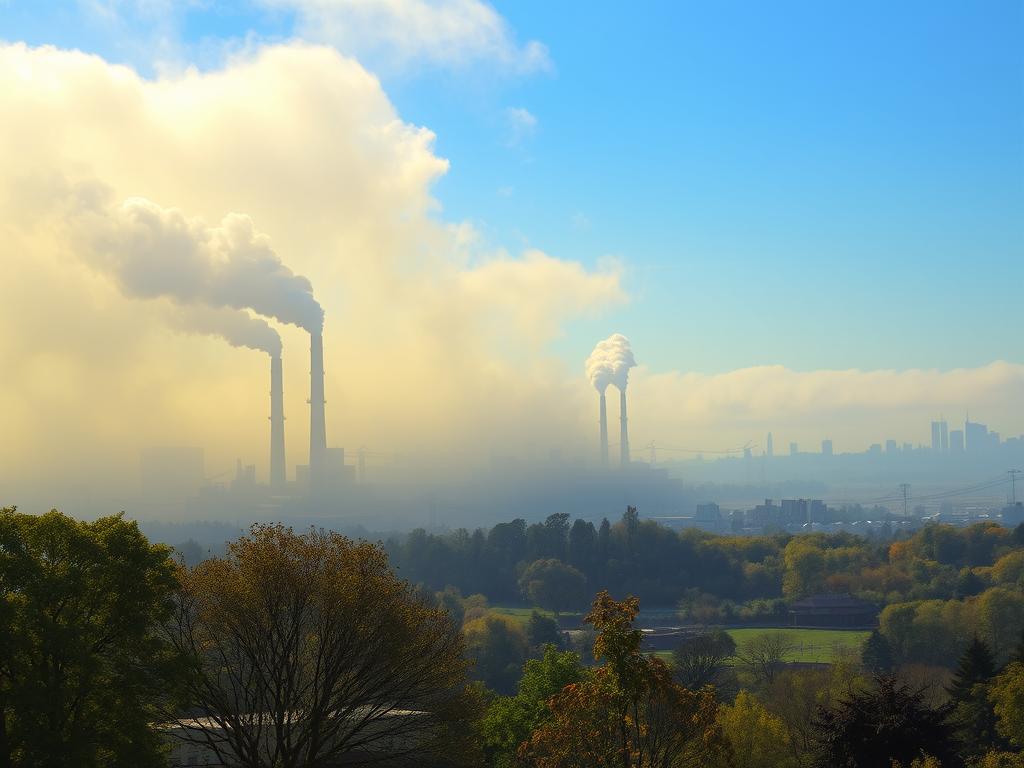
Achieving sustainable development is key to better air quality. It means using renewable energy, being more energy efficient, and planning cities and transport better. This way, we can all breathe cleaner air and live in a healthier world.
In Punjab Province, the government is working hard to clean the air. They have started programs like Green Masstransit, Chief Minister Climate Leadership, and Chief Minister Solarization. These programs aim to cut down pollution from farming, transport, and factories.
It’s also important to get young people involved in protecting the environment. The Mera Punjab Smog-Free Internship Program is a great example. By teaching the next generation about caring for our planet, Punjab can look forward to a greener future. Thanks to the government’s efforts and community support, Punjab is on its way to better air and a sustainable life for everyone.
 Water pollution: Causes and consequences


