Bioethics of Genome Engineering

Genome engineering has rapidly transformed from a scientific possibility to a tangible reality, offering the potential to edit the DNA of plants, animals, and humans with precision. However, with this revolutionary power come deep ethical questions about its application and the potential consequences for society and future generations.
The field of bioethics examines these questions, focusing on the responsible and fair use of genome engineering to balance innovation with ethical accountability.
Core Ethical Concerns in Genome Engineering
The ethical implications of genome engineering span several key issues, including:
Genome Engineering Basics: Start Your Journey Today- Human Rights and Consent: Genetic modifications in humans, especially in embryos, raise significant concerns about consent and autonomy. If genetic changes are made that will affect future generations, the individuals impacted by these modifications have no say in the process, which raises questions about their rights and freedoms.
- Equity and Accessibility: Genome engineering holds great promise in healthcare, particularly in personalized medicine and the treatment of genetic diseases. However, it also introduces the risk of widening existing inequalities. High costs and complex procedures may make these advancements available only to wealthier individuals or countries, exacerbating healthcare disparities.
- Natural Integrity and Biodiversity: Genetic modification in plants and animals can impact natural ecosystems and biodiversity. There are concerns about creating “super species” or reducing genetic diversity, which could lead to unforeseen consequences in the environment and disrupt ecological balances.
- Human Enhancement vs. Therapy: There’s a fine line between using genome engineering for therapeutic reasons (e.g., treating genetic disorders) and for enhancement (e.g., altering physical traits or intelligence). The latter raises questions about societal standards, expectations, and pressures related to perfection, which could lead to social division or discrimination based on genetic traits.
Genome Engineering in Humans: Therapy or Enhancement?

One of the most debated aspects of genome engineering is its use in humans. Gene therapy targets specific genetic mutations to correct genetic disorders like cystic fibrosis or muscular dystrophy. This therapeutic use is generally more accepted, as it addresses medical needs and offers relief from suffering.
However, gene enhancement goes beyond treatment, potentially allowing for the selection of traits such as height, intelligence, or appearance. This raises ethical concerns around “designer babies” and the societal consequences of such modifications. Critics argue that enhancement could lead to new forms of discrimination and deepen social divides between those who can afford genetic enhancements and those who cannot.
Germline Editing and Future Generations
Germline editing refers to genetic modifications made to human embryos or reproductive cells (sperm and eggs). Changes made at this stage are heritable, meaning they will be passed on to future generations. This raises unique ethical concerns:
Ethics of Genome Engineering: What Are the Concerns- Consent of Future Generations: Future generations will live with the genetic alterations without having had a choice in the matter. This absence of consent poses ethical dilemmas about autonomy and individual rights.
- Potential for Unforeseen Consequences: Genetic changes made today may have unknown, long-term effects on human health and society. Even small modifications could cause unforeseen genetic issues that may only become apparent in future generations, presenting a moral risk.
- Slippery Slope to Eugenics: Editing human genes could pave the way for eugenics, the controversial practice of selectively breeding for desirable traits. There is concern that genetic engineering could lead to societal pressures to conform to certain genetic standards, impacting the natural diversity of human traits and characteristics.
Genome Engineering in Agriculture: Environmental and Societal Impact
Genome engineering also has a significant presence in agriculture, where it is used to enhance crop yields, increase resistance to pests and diseases, and improve nutritional content. While these applications have benefits, they also introduce bioethical considerations:
- Environmental Impact: Introducing genetically engineered crops can lead to reduced genetic diversity and may impact ecosystems in unpredictable ways. For example, genetically modified organisms (GMOs) may outcompete natural species, potentially disrupting ecosystems and harming biodiversity.
- Food Security and Corporate Control: Large corporations often hold patents on genetically engineered seeds, which can lead to a monopolization of the global food supply. This raises ethical concerns about food sovereignty and the rights of farmers to access seeds and grow crops without corporate influence.
- Transparency and Public Awareness: Ethical transparency is crucial when introducing genetically engineered products to the market. Consumers have a right to know what they are consuming and make informed decisions about genetically modified foods.
Bioethics of Genome Engineering in Animals
Genome engineering in animals has applications in research, agriculture, and even the development of organ donation alternatives for humans (xenotransplantation). However, it raises ethical questions regarding:
- Animal Welfare: Genetic modifications can impact animal welfare. Animals engineered to have certain traits may experience suffering, reduced quality of life, or new health complications.
- Impact on Ecosystems: Introducing genetically engineered animals into ecosystems may have unforeseen consequences, especially if they breed with wild populations and pass on modified traits.
- Human-Animal Boundaries: The ethical implications of creating animals with traits specifically designed for human benefit, such as organs for transplant, challenge traditional moral boundaries between humans and animals.
Legal and Regulatory Challenges in Genome Engineering
The rapid advancement of genome engineering has outpaced the establishment of comprehensive legal frameworks. There are substantial regulatory challenges in determining what uses are acceptable and which should be restricted, with laws differing widely across countries. Some regions, like the European Union, impose strict regulations on genetic engineering, especially in agriculture, while others are more permissive. International guidelines are needed to ensure ethical standards are met globally and to prevent misuse of genome engineering technologies.
Genome Engineering Tools and Their ApplicationsBalancing Innovation with Ethical Responsibility
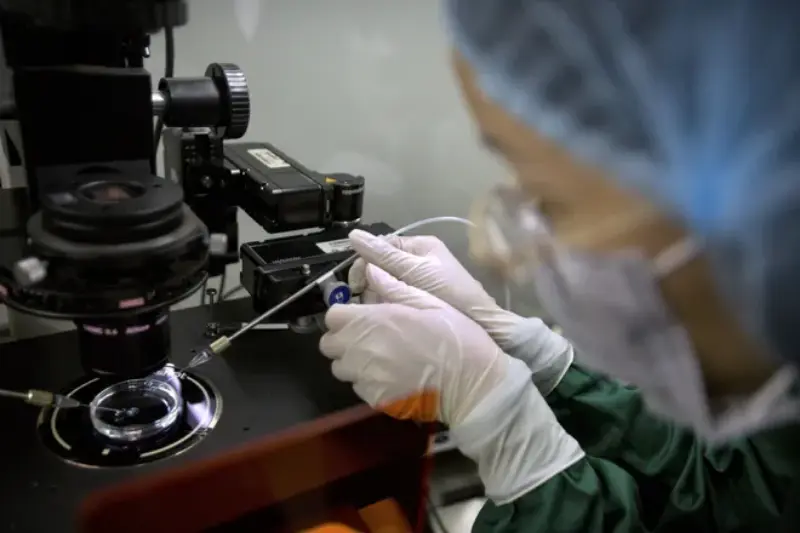
The bioethics of genome engineering requires balancing the immense potential of this technology with careful consideration of its societal and environmental impacts. Strategies to address ethical concerns include:
- Enhanced Transparency: Clear communication and labeling of genetically modified products allow consumers to make informed choices.
- Public Engagement: Actively involving the public in discussions about genome engineering fosters trust and helps reflect societal values in regulatory frameworks.
- Establishing Ethical Guidelines: Clear ethical guidelines can help outline acceptable uses of genome engineering, focusing on human welfare, environmental protection, and equality.
Genome engineering is a powerful tool that holds the potential to revolutionize medicine, agriculture, and environmental science. However, its ethical implications require thoughtful consideration to avoid unintended consequences and respect fundamental human and environmental values. As the field continues to grow, the role of bioethics will be essential in ensuring that genome engineering develops responsibly and inclusively, benefiting society as a whole.