
Bioluminescence on Earth: Where Nature Glows in the Dark

Bioluminescence, the phenomenon where living organisms emit light, has fascinated scientists, explorers, and storytellers for centuries.
It transforms the darkest corners of our planet into glowing wonderlands. From shimmering seas to radiant forests, bioluminescence reveals a side of nature few get to experience. But how does this magical glow work, where can you witness it, and why does it exist? Dive into this illuminating guide to discover the secrets behind bioluminescence on Earth.
What Is Bioluminescence? A Natural Glow Explained
The Science Behind Bioluminescence
Bioluminescence is the result of a chemical reaction within a living organism. It occurs when a light-emitting molecule, called luciferin, reacts with oxygen in the presence of an enzyme known as luciferase. This reaction releases energy in the form of visible light. The formula can be written as:
Luciferin + O2 + Luciferase → Oxyluciferin + Light
This unique adaptation is found in various life forms, including marine animals, fungi, and even terrestrial insects.
Why Do Organisms Glow?
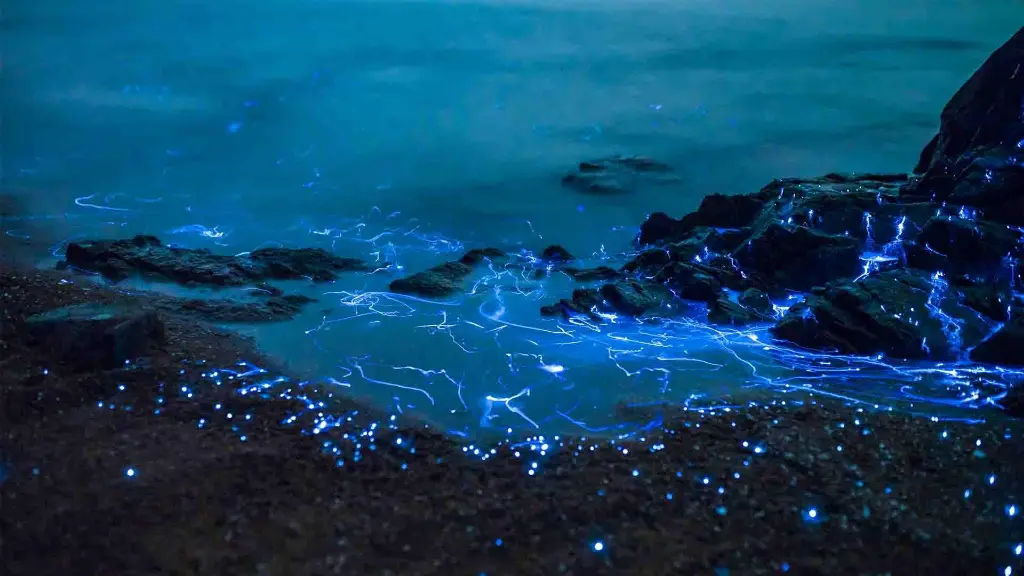
Bioluminescence serves several purposes, such as:
- Attracting Prey: Predators like the anglerfish use light to lure their next meal.
- Communication: Fireflies flash in patterns to signal mates.
- Camouflage: Some marine creatures use counter-illumination to blend with the faint light from above.
- Defense: A sudden flash of light can startle predators or attract larger predators to scare them away.
Where Can You Find Bioluminescence on Earth?
In the Oceans
The ocean is home to the majority of bioluminescent organisms. Some of the best-known locations include:
 Meteorites and Earth’s History: Space Rocks Shaping Our Planet
- Mosquito Bay, Vieques (Puerto Rico): Famous for its glowing waters, caused by dinoflagellates—microscopic plankton that light up when disturbed.
- Toyama Bay, Japan: Known for the mysterious “firefly squid,” which creates a glowing spectacle during the spring.
- San Diego, California (USA): Waves here occasionally glow bright blue due to bioluminescent algae blooms, also known as “red tides.”
Marine Creatures That Glow
- Dinoflagellates: Single-celled plankton responsible for glowing waves.
- Jellyfish: Species like Aequorea victoria emit green light using the protein GFP (Green Fluorescent Protein).
- Deep-sea Fish: The anglerfish and dragonfish have evolved glowing body parts to hunt in darkness.
On Land
Bioluminescence isn’t confined to oceans. It also appears in terrestrial environments.
- Fireflies: Found in temperate and tropical regions worldwide, these beetles flash their abdomens to attract mates.
- Fungi: Some mushrooms, such as Armillaria mellea (honey fungus) and Mycena chlorophos, glow in forests. These can be spotted in the dense woods of Brazil, Vietnam, and Australia.
Unique Forest Displays
Bioluminescent fungi are believed to attract insects, which helps in spreading their spores. Their eerie glow transforms forest floors into magical, glowing carpets.
Freshwater Ecosystems
Although rare, bioluminescence can occasionally occur in freshwater systems:
- Lakes in Vietnam: Dinoflagellates sometimes thrive in brackish lakes, producing brief glowing phenomena.
- Glowworms in New Zealand: The Waitomo Caves are home to glowworms, whose shimmering silk threads light up the cave ceilings like a starry sky.
The Chemistry of Bioluminescence: Why It’s Unique
Different Colors of Light
The color of bioluminescent light depends on the type of luciferin and its environment. Common colors include:
- Blue and Green: Found in marine environments due to water’s light absorption properties.
- Yellow and Orange: Often seen in fireflies.
- Red: Extremely rare but present in some deep-sea organisms.
Adaptations in the Animal Kingdom
- Regulated Emission: Organisms control their glow using neural or chemical triggers.
- Durable Light: Unlike artificial lights, bioluminescent light doesn’t generate heat, making it efficient in energy use.
Why Bioluminescence Is Essential for Ecosystems
Bioluminescence plays a vital role in maintaining ecological balance:
- Marine Food Chains: Light signals prey availability, supporting predator-prey dynamics.
- Reproduction: Many species rely on light-based signals to find mates, ensuring species survival.
- Nutrient Cycling: Bioluminescent fungi help decompose organic material in forests.
How to Experience Bioluminescence: Tips and Destinations
Best Times to Visit
The ideal time to witness bioluminescence on Earth depends on the location:
- Oceans: Look for calm, moonless nights between spring and summer.
- Forests: Fungi glow during wet seasons, especially in tropical climates.
- Glowworm Caves: Visit year-round, but tours often occur after sunset.
Activities to Enjoy Bioluminescence
- Kayaking: Paddle through glowing waters for an immersive experience.
- Night Walks: Explore forests to witness glowing fungi.
- Boat Tours: Many bioluminescent bays offer guided tours.
FAQs About Bioluminescence on Earth
What causes bioluminescence in the ocean?
Bioluminescence in the ocean is primarily caused by dinoflagellates, which emit light when agitated by waves or movement.
 What Are Fire Rainbows? A Mesmerizing Optical Phenomenon
Can I see bioluminescence everywhere?
No, bioluminescence is location-specific and depends on environmental conditions. Coastal areas, caves, and forests are common hotspots.
Is bioluminescence harmful to humans?
Most bioluminescent organisms are harmless, but certain algae blooms (like red tides) can release toxins.
Why do fireflies glow?
Fireflies glow to attract mates, using specific flash patterns to communicate with potential partners.
How long does bioluminescence last?
The glow can last anywhere from seconds to several hours, depending on the organism and environmental triggers.
Can I capture bioluminescence on camera?
Yes, but it requires a camera with low-light capabilities and long exposure settings to capture the glow effectively.
Bioluminescence: A Glowing Reminder of Nature’s Wonders
Bioluminescence on Earth is a testament to nature’s creativity and resilience. Whether lighting up the oceans or enchanting forest trails, this phenomenon reminds us of the mysteries yet to be explored in the natural world. From the intricate chemistry powering the glow to the ecological roles it plays, bioluminescence is more than just a spectacle—it’s a vital part of life on Earth.
Have you experienced the magic of bioluminescence? Add it to your travel bucket list and witness nature glowing in the dark.
 The Schumann Resonance: Earth’s Natural Frequency


