
The Dead Zone in the Gulf of Mexico: An Oceanic Crisis

The Gulf of Mexico, one of the most ecologically significant bodies of water in the world, is home to a devastating phenomenon known as the Gulf of Mexico Dead Zone. Each year, a large area of water loses its ability to support most marine life due to dangerously low oxygen levels, creating a so-called “dead zone” where fish, shellfish, and other marine organisms cannot survive. This environmental disaster has profound impacts on both local ecosystems and human industries.
What Is the Gulf of Mexico Dead Zone?
The Gulf of Mexico Dead Zone refers to a hypoxic (low-oxygen) area in the northern Gulf of Mexico where dissolved oxygen levels are insufficient to support marine life. This condition is often measured by levels of dissolved oxygen below 2 mg/L, making the waters uninhabitable for many marine species. The dead zone fluctuates in size annually, usually reaching its peak in summer, with the worst cases covering thousands of square miles.
Causes of the Gulf of Mexico Dead Zone
Several human-induced factors contribute to the formation of the dead zone:
 Antarctica’s Barren Soil: Earth’s Closest Thing to Martian Terrain
- Nutrient Runoff: Nutrients, especially nitrogen and phosphorus, run off from agricultural lands into the Mississippi River, which eventually carries these pollutants into the Gulf of Mexico. Excess nutrients fuel massive algal blooms, leading to oxygen depletion as the algae decompose.
- Fertilizer and Wastewater: Fertilizers used on farms and untreated wastewater from urban areas add to the nutrient overload. These substances cause eutrophication, a process where water becomes overly enriched with nutrients, creating conditions for hypoxia.
- Algal Blooms: Excessive nutrients promote rapid growth of phytoplankton and algae. When these organisms die and decompose, the process consumes vast amounts of oxygen, leading to hypoxic conditions in deeper waters.
How Hypoxia Affects Marine Life
Hypoxia has a devastating impact on marine ecosystems. When oxygen levels drop below 2 mg/L, many species cannot survive. Fish, shrimp, crabs, and other creatures either flee the area or die from lack of oxygen, leaving behind a biological void. The Gulf of Mexico Dead Zone disrupts the marine food chain and threatens biodiversity in the region.
The Role of Climate Change
Climate change exacerbates the Gulf of Mexico Dead Zone. Rising sea temperatures and changing rainfall patterns alter the levels of oxygen solubility in the ocean. Warmer water holds less oxygen, making it easier for dead zones to form and expand. Additionally, heavier rainfall increases runoff, introducing even more nutrients into the Gulf.
Economic Impact of the Dead Zone
The dead zone has severe economic consequences, particularly for the fishing and tourism industries. Key impacts include:
 Coldest Places on Earth: Life in Extreme Climates
- Fishing Industry: The Gulf of Mexico is a major source of seafood for the United States. The dead zone threatens the livelihoods of fishers who rely on species like shrimp and crab, as many are forced to seek alternative fishing grounds.
- Tourism: Coastal communities depend on tourism, with attractions like fishing charters, recreational activities, and beach resorts. The dead zone can lead to fish kills and other environmental issues that deter visitors.
Addressing the Gulf of Mexico Dead Zone
Reducing the size and impact of the Gulf of Mexico Dead Zone requires a collaborative effort involving government agencies, industries, and citizens. Key strategies to combat hypoxia include:
- Reducing Nutrient Runoff: Agricultural practices like buffer strips, cover crops, and reduced fertilizer use can decrease nutrient runoff into rivers and, ultimately, the Gulf.
- Wastewater Management: Improved wastewater treatment facilities can help reduce nutrient pollution from urban areas, minimizing the risk of hypoxia.
- Monitoring and Regulation: Agencies like the Environmental Protection Agency (EPA) can monitor nutrient levels in rivers and implement policies to protect the Gulf.
Future of the Gulf of Mexico Dead Zone
Despite efforts to address it, the Gulf of Mexico Dead Zone remains a significant environmental threat. Annual monitoring by organizations like the National Oceanic and Atmospheric Administration (NOAA) highlights the need for stronger action to mitigate nutrient pollution. With continued collaboration, research, and innovation, there is hope to reduce the size and frequency of the dead zone, protecting marine ecosystems and the livelihoods that depend on them.
The Gulf of Mexico Dead Zone is an urgent environmental crisis that underscores the need for sustainable practices and environmental awareness. By understanding and addressing the root causes of hypoxia, society can work toward a healthier, more resilient ocean for future generations.
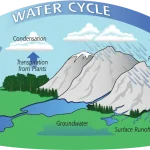 Earth’s Water Cycle: The Journey of Every Drop


