

The Origin of the Three Wise Men and Their Gifts

Unraveling the Mystery
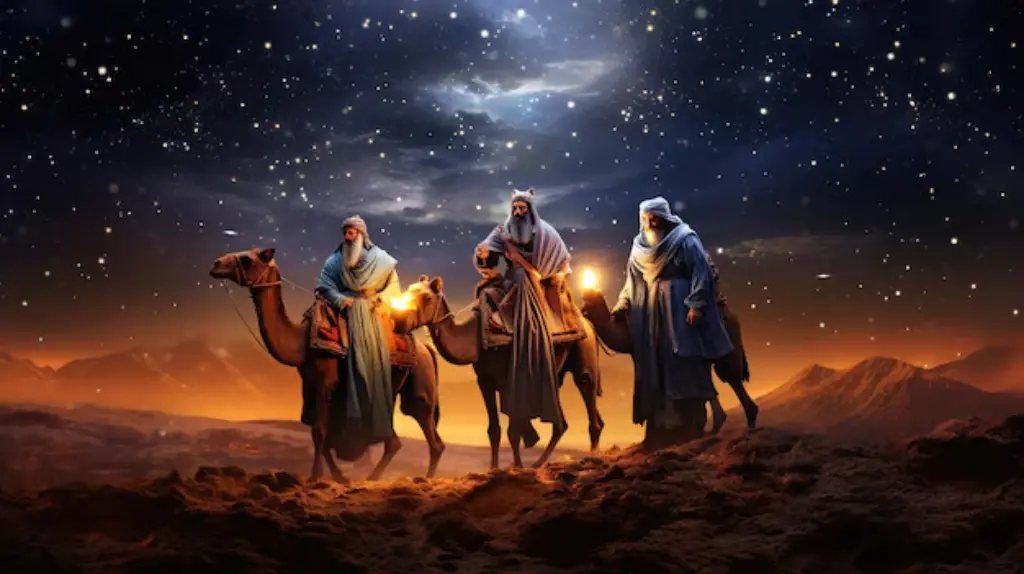
Let’s begin at the source: the Bible. The Gospel of Matthew (2:1-12) is our primary, and somewhat enigmatic, text describing the visit of the Magi. It’s a short, evocative passage that has ignited centuries of artistic interpretation, theological debate, and captivating storytelling.
The text simply states that “wise men from the east” arrived in Jerusalem, following a star, to worship the newborn King of the Jews. Noticeably absent are specific details like their number, names, or even their precise geographical origin. This lack of detail is what allows for so much fascinating speculation and interpretation over the centuries.
The “Wise Men” – Who Were They?
The term “Magi” in the original Greek doesn’t translate directly to “wise men” in the way we might commonly understand it. The Magi were members of a priestly caste in Persia, known for their expertise in astrology, astronomy, and other esoteric arts.
They were essentially learned scholars and interpreters of celestial events. Their arrival, guided by a star, suggests a sophisticated understanding of astronomy, far beyond the typical understanding of the time. This detail instantly elevates their story from a simple visitation to a profound, almost mystical, encounter.
Beyond the Biblical Narrative: Interpreting the Star
The “star of Bethlehem” has been a source of endless fascination. Was it a natural astronomical event, such as a conjunction of planets, a supernova, or a comet? Or was it a miraculous, divinely orchestrated phenomenon? Astronomers and theologians continue to debate this even today.
The lack of precise details in the biblical text leaves room for various interpretations. Whatever the celestial event, it acted as a catalyst, drawing these learned men from afar to Bethlehem.
 Gustave Eiffel: The Engineer Who Illuminated Paris with His Tower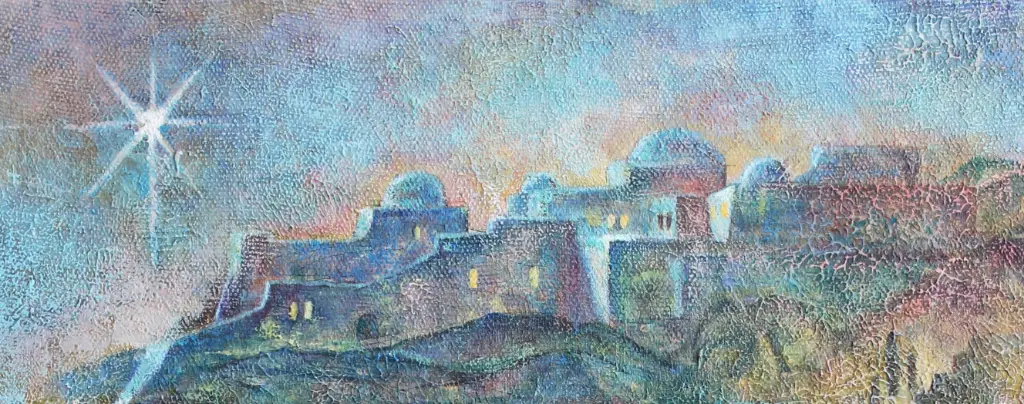
The Number Three: A Symbolic Interpretation
While the Bible doesn’t explicitly state there were three Magi, the number three has become deeply ingrained in the tradition. This is likely due to the three gifts they offered: gold, frankincense, and myrrh.
Each gift carries symbolic weight: gold representing kingship, frankincense signifying divinity, and myrrh symbolizing death and burial. This triad of gifts underscores the multifaceted nature of Jesus’s identity: King, God, and ultimately, the sacrificial Lamb of God.
The Gifts: A Rich Tapestry of Symbolism
We’ve already touched upon the symbolic meanings of the three gifts, but let’s delve deeper. Gold, a precious metal associated with royalty and power, acknowledges Jesus’s kingship. Frankincense, a fragrant resin used in religious ceremonies, points towards Jesus’s divine nature.
Finally, myrrh, a fragrant gum resin used in embalming, foreshadows Jesus’s sacrificial death and burial. These gifts aren’t just material offerings; they’re powerful symbols that speak volumes about the significance of the Christ child.
The Cultural Context: Understanding the Magi’s Journey
To truly understand the story, we need to consider the cultural context of the time. The journey of the Magi from the East to Bethlehem was a significant undertaking, encompassing vast distances and potential dangers. The Magi’s willingness to embark on such a journey highlights their profound belief in the prophecy and the significance of their quest. Their actions reflect a deep-seated faith that transcends cultural and geographical boundaries.
The Legends and Traditions: Evolving Narratives
Over the centuries, numerous legends and traditions have grown up around the story of the Magi. Various cultures have added their own interpretations, creating a rich tapestry of narratives.
 Wojciech Zaremba vs Ilya Sutskever vs John Schulman: The Real Architects of OpenAI
 Some traditions give the Magi names (like Caspar, Melchior, and Balthasar) and ascribe specific backgrounds and origins to them. These additions, while not directly from the Bible, add to the enduring appeal of the story, making it relatable and relevant across different times and cultures. The story continues to be reinterpreted and reimagined through art, music, literature, and festive traditions.
Artistic Representations: A Visual Feast
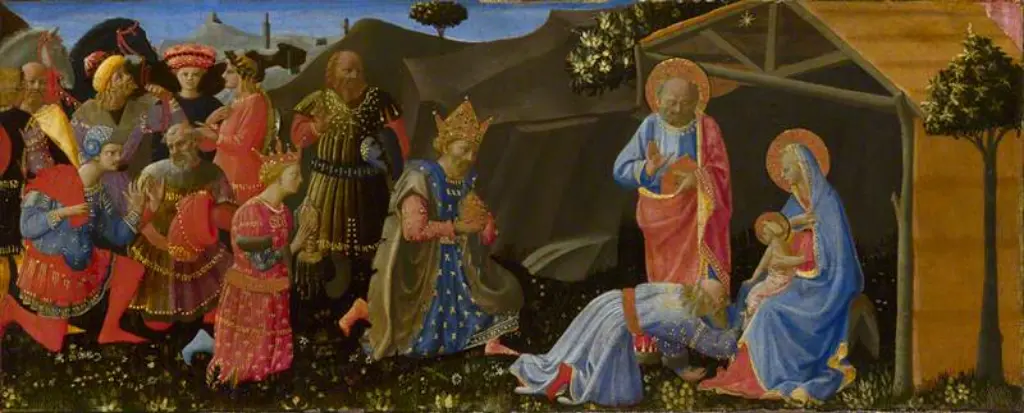
From Renaissance masterpieces to contemporary art, the story of the Three Wise Men has been a constant source of inspiration for artists throughout history. These visual representations, often depicting the Magi as kings with lavish attire and exotic gifts, have shaped our collective understanding of the narrative. The artistic interpretations vary widely, reflecting different artistic styles, cultural influences, and theological perspectives.
The Enduring Legacy: A Timeless Story
The story of the Three Wise Men continues to resonate with people across cultures and faiths. It’s a story of faith, journey, and the pursuit of truth. The enduring appeal of the narrative lies in its universal themes: the search for meaning, the recognition of divine power, and the willingness to embark on a transformative journey.
The symbolism embedded within the story makes it relevant and meaningful even today, reminding us of the profound importance of faith, hope, and love.
The Modern Relevance: A Message of Hope
In a world often characterized by conflict and uncertainty, the story of the Three Wise Men offers a message of hope and peace. It’s a reminder that even in the darkest of times, there is always light to be found. Their journey, guided by a star, symbolizes our own search for meaning and purpose.
Their willingness to travel far and wide to worship the newborn king embodies the spirit of selfless devotion and unwavering faith. These themes resonate deeply with people across generations and cultures, ensuring the story’s continued relevance.
OpenAI Leadership: Zaremba, Sutskever & Schulman Roles ExplainedFrequently Asked Questions (FAQs)
- Q: How many Wise Men were there? A: The Bible doesn’t specify the number. The tradition of three Wise Men comes from the three gifts they offered.
- Q: What were the names of the Wise Men? A: The Bible doesn’t name them. The names Caspar, Melchior, and Balthasar are later additions to the tradition.
- Q: What was the Star of Bethlehem? A: The nature of the Star of Bethlehem remains a mystery. Various theories exist, ranging from natural astronomical events to a miraculous phenomenon.
The story of the Three Wise Men, while rooted in a short biblical passage, has evolved into a rich and multifaceted tradition. The lack of detail in the original text has allowed for centuries of interpretation and reimagining, resulting in a narrative that continues to inspire and captivate audiences across cultures and faiths.
The symbolism of the gifts, the mystery of the star, and the enduring message of hope all contribute to the story’s timeless appeal, ensuring its continued relevance in the 21st century and beyond. We hope this exploration has shed light on the origins and enduring significance of this captivating tale.
