Oceanographic Exploration: Key Challenges in Unlocking the Mysteries of the Ocean

Exploring the ocean, which covers over 70% of the Earth’s surface and harbors some of the most diverse and mysterious ecosystems, has become increasingly critical for understanding climate change, marine biodiversity, and resource sustainability.
However, oceanographic exploration faces numerous complex challenges that require innovative approaches and advanced technology to overcome. This article explores the main challenges in oceanographic exploration, from the vastness of the ocean to the technological and environmental hurdles that scientists encounter.
The Immensity and Depth of the Ocean
The sheer size and depth of the ocean present one of the most significant obstacles to exploration. The ocean has an average depth of about 3,688 meters (12,100 feet) and reaches depths of over 10,000 meters (about 36,000 feet) in trenches like the Mariana Trench. This immense area, with its remote and extreme conditions, poses challenges in both access and logistics.
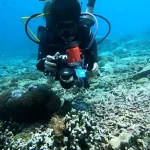 Recent Advances in Marine Biology
 Difficulties in Coverage and Sampling
- Limited Access: Only a small fraction of the ocean floor has been mapped with high-resolution methods due to its vastness. Deep-sea areas are especially hard to reach.
- Sampling Limitations: Obtaining representative samples from such a large area requires a significant investment in time, technology, and manpower. For instance, collecting samples from the deep-sea bed can require equipment capable of withstanding immense pressure.
Impact on Research and Data Collection
- Data Gaps: The limited ability to survey the ocean fully means that data on marine biodiversity, ecosystems, and geophysical characteristics remains incomplete.
- Long Deployment Times: Deploying and retrieving equipment across vast distances requires meticulous planning, as vessels often spend weeks or even months at sea to collect data.
Extreme Environmental Conditions
The ocean’s extreme conditions pose numerous technical and operational challenges, including high pressure, low temperatures, and limited visibility.
High-Pressure Challenges
- Equipment Durability: At depths exceeding
1,000 meters, the pressure is more than 100 times that at sea level. This immense pressure can crush standard equipment, necessitating specialized, pressure-resistant technology. - Costly Equipment Design: Deep-sea submersibles and remotely operated vehicles (ROVs) must be made of materials like titanium or specially-designed syntactic foams, which are expensive and difficult to manufacture.
Temperature Extremes
- Low Temperatures: Deep-sea environments often have temperatures close to freezing (
2 to 4°Cor35 to 39°F). Electronic and mechanical components must be insulated to operate reliably at these temperatures. - Temperature Shock: Equipment moving between surface and deep-sea layers can experience sudden temperature changes, which can damage electronic and structural components over time.
Limited Light and Visibility
- Darkness: Sunlight only penetrates the top
200 metersof the ocean, meaning that most of the ocean remains in near-complete darkness. This requires the use of artificial lighting, which can disturb marine life and complicate image capture. - Turbidity and Sediment Disturbance: Fine sediments can reduce visibility in deep waters, which is particularly problematic for imaging systems that rely on visual data.
Technological Limitations
Developing technology that can withstand oceanic extremes while providing precise, high-quality data is one of the largest challenges in oceanography. Although there have been significant advancements, the technology needed for comprehensive ocean exploration is still costly and limited.
High Costs and Limited Availability
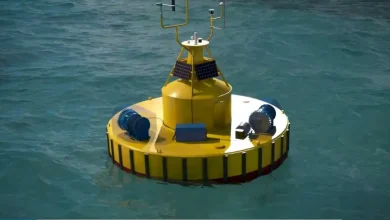
- Expense of Oceanographic Equipment: Advanced equipment, like ROVs, AUVs (Autonomous Underwater Vehicles), and high-resolution sonar systems, are prohibitively expensive, limiting their availability to a small number of institutions and researchers.
- Maintenance and Repairs: Oceanographic technology often requires specialized knowledge for repairs and maintenance, especially when working in remote locations. Breakdowns in the field can jeopardize entire expeditions.
Limitations of Current Instruments
- Data Transmission Issues: Transmitting data in real-time from underwater to surface vessels or research centers remains challenging. Acoustic waves, which are commonly used for underwater communication, have low bandwidth and are easily disrupted.
- Power Supply Constraints: Many ROVs and AUVs have limited battery life, restricting the time they can spend on deep-sea missions. Extending power sources, such as through tethering or renewable underwater energy solutions, is an area of ongoing research.
Environmental Impact of Ocean Exploration
As exploration technology expands, the potential environmental impact on marine ecosystems also increases. Minimizing these effects is a priority in sustainable oceanographic research.
 How are stars studied in modern astronomy?
 Disturbance of Marine Life
- Noise Pollution: Acoustic waves from sonar and communication systems can interfere with marine life, particularly mammals like whales and dolphins that rely on echolocation.
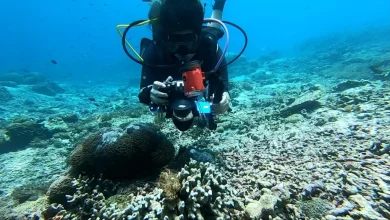
- Physical Disruptions: Equipment that collects samples or images may disturb habitats, especially in delicate ecosystems such as coral reefs and hydrothermal vent communities.
Chemical and Physical Pollutants
- Leakage Risks: Submersibles and other equipment risk releasing contaminants into sensitive marine environments. Preventing leaks and ensuring eco-friendly materials are used is essential in reducing pollution.
- Waste from Research Vessels: Oceanographic research often requires extended periods at sea, which can lead to the disposal of waste and fuel emissions that impact water quality.
Funding and Policy Challenges
Ocean exploration often requires significant funding due to the high cost of technology and extended research times. Moreover, political boundaries and jurisdictional issues complicate international research efforts.
Limited Funding and High Costs
- Expensive Missions: Because of the advanced technology required, oceanographic missions are costly, often running into millions of dollars. This can limit research to well-funded organizations or restrict the scope of the exploration.
- Competing Priorities: Oceanographic research often competes with other scientific fields for funding, which can lead to inconsistent support and slow progress.
Policy and Jurisdictional Issues
- International Regulations: Many areas of the ocean are governed by international law, such as the United Nations Convention on the Law of the Sea (UNCLOS), which can restrict where and how research is conducted.
- Exclusive Economic Zones (EEZs): Each country controls the resources within
200 nautical milesof its coast. This can complicate research permissions and data sharing across borders, limiting collaborative efforts in certain regions.
Data Management and Analysis
The vast amount of data collected from oceanographic missions requires effective management, storage, and analysis to yield meaningful insights.
Data Overload and Storage
- High Volume of Data: Modern exploration tools, such as sonar imaging and environmental sensors, generate massive datasets that can be difficult to store and process.
- Need for Specialized Software: Processing and analyzing data from underwater samples, imaging, and environmental monitoring require sophisticated software tools and data scientists with specialized knowledge.
Integration of Diverse Data Sources
- Interdisciplinary Complexity: Oceanography encompasses many subfields, such as marine biology, chemistry, geology, and physics. Integrating data from these disciplines to form a cohesive understanding of marine environments is challenging.
- Global Data Standardization: Establishing global standards for data collection and interpretation is necessary for collaborative research but is difficult to implement across countries and institutions.
The Future of Oceanographic Exploration
Despite these challenges, advancements in oceanography continue to evolve. Emerging technologies, such as AI for data analysis, drones for remote sensing, and deep-sea ROVs with enhanced battery life, are opening new possibilities for exploration. International collaboration and sustainable practices are essential to furthering our understanding of the oceans and harnessing their potential benefits responsibly.
 Modern Cosmology: Understanding the Origin and Expansion of the Universe
 As research and technology progress, overcoming these obstacles will be critical for fully understanding our oceans and the vital role they play in the Earth’s ecosystems and climate.