Impact of Climate Change on Ocean Dynamics

The ocean is a dynamic system that plays a crucial role in regulating Earth’s climate, supporting diverse ecosystems, and sustaining human communities. Climate change, however, is profoundly altering ocean dynamics, including temperature, circulation patterns, and biological productivity. Understanding these changes and their impacts is essential to address the broader implications for global weather patterns, biodiversity, and coastal societies.
Rising Ocean Temperatures
One of the most direct effects of climate change on the ocean is the increase in sea surface temperatures. Oceans absorb over 90% of the excess heat from greenhouse gas emissions, leading to warmer waters that influence oceanic and atmospheric systems.
Effects of Warmer Seas
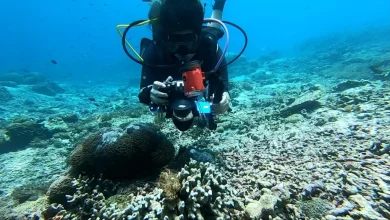
- Coral Bleaching: Corals are highly sensitive to temperature increases. When ocean temperatures rise by as little as 1°C above average, corals expel the algae (zooxanthellae) that live symbiotically within them, causing bleaching. Prolonged bleaching can lead to coral death, threatening reef ecosystems that support diverse marine life.
- Shifts in Species Distribution: Warmer temperatures prompt many marine species to migrate to cooler waters. This shift affects marine food webs, as predator and prey species are no longer aligned, impacting fisheries and marine biodiversity.
- Increased Frequency of Marine Heatwaves: Marine heatwaves, which are prolonged periods of excessively high sea temperatures, have become more common. These events disrupt ecosystems, deplete oxygen levels, and further stress coral reefs.
Ocean Circulation and Climate Change
Ocean circulation patterns, such as the Atlantic Meridional Overturning Circulation (AMOC) and global thermohaline circulation, are critical for distributing heat and regulating climate. Climate change is disrupting these systems, with significant implications for global weather.
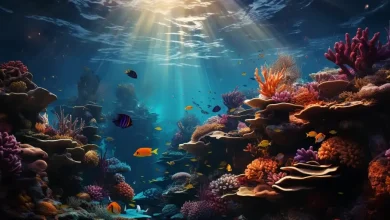
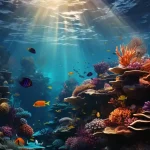 Marine Ecosystems: Biodiversity and Conservation in Protected Areas
 The Thermohaline Circulation
The thermohaline circulation, also known as the “global conveyor belt,” relies on variations in temperature (T) and salinity (S) to drive large-scale water movement. Higher temperatures and increased freshwater from melting ice reduce the density of seawater, slowing down circulation patterns. A slowdown in thermohaline circulation could result in:
- Altered Weather Patterns: The thermohaline circulation redistributes heat across the globe. If it slows, Northern Europe could experience colder winters, while the tropics may warm even further.
- Sea Level Rise: Reduced circulation in the North Atlantic affects local sea levels, particularly along the U.S. East Coast, where a slowdown in AMOC has been linked to accelerated sea level rise.
The Impact of Changing Currents on Marine Life
Ocean currents transport nutrients, oxygen, and heat, essential for marine ecosystems. Changes in these currents impact:
- Nutrient Availability: Slower currents reduce upwelling, which brings nutrient-rich waters from the deep sea to the surface, impacting primary productivity and phytoplankton growth.
- Oxygen Distribution: Changes in circulation affect the distribution of oxygen, leading to the expansion of oxygen minimum zones (OMZs). Species that rely on higher oxygen levels may be forced to migrate or face higher mortality rates in hypoxic zones.
Ocean Acidification and Its Consequences
Increased levels of atmospheric CO₂ lead to greater amounts being dissolved in seawater, forming carbonic acid (H₂CO₃). This process reduces ocean pH, making the waters more acidic—a phenomenon known as ocean acidification.
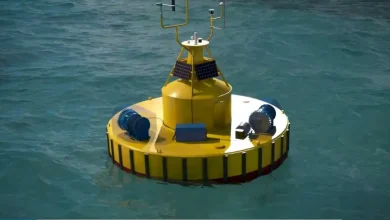
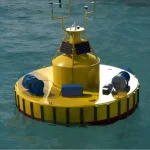 Ocean Observation Technologies: Innovations and Challenges
 Effects of Ocean Acidification on Marine Life
- Calcifying Organisms: Acidification reduces the availability of carbonate ions (
CO₃²⁻), necessary for organisms like corals, mollusks, and some plankton to build calcium carbonate (CaCO₃) shells and skeletons. Reduced calcification weakens these organisms and has cascading effects on the marine food web. - Fish Behavior and Physiology: Acidified waters can disrupt fish behavior, impairing their ability to detect predators and prey. Acidification also affects the physiology of fish and invertebrates, with impacts on growth, reproduction, and survival.
Sea Level Rise and Coastal Impacts
Climate change contributes to sea level rise through two primary mechanisms: thermal expansion of seawater and the melting of glaciers and ice sheets.
Drivers of Sea Level Rise
- Thermal Expansion: As water warms, it expands. This process alone has contributed significantly to sea level rise over the past century.
- Melting Ice: The loss of ice from glaciers and polar ice sheets adds freshwater to the oceans, contributing further to sea level rise. The Greenland and Antarctic ice sheets hold enough ice to potentially raise global sea levels by approximately 7.4 meters and 58.3 meters, respectively, if fully melted.
Consequences for Coastal Areas
- Erosion and Flooding: Higher sea levels increase the risk of coastal erosion and flooding, threatening infrastructure, ecosystems, and human communities. Low-lying areas and island nations face existential threats from rising seas.
- Saltwater Intrusion: Rising sea levels push saltwater into freshwater aquifers, affecting the availability of drinking water and agriculture in coastal regions.
- Displacement of Human Populations: Increased flooding and erosion in coastal zones may lead to climate migration, displacing populations and posing challenges for urban planning and resource management.
Impact on Marine Biodiversity
Climate change affects marine biodiversity through warming, acidification, and habitat alteration. These factors put pressure on ecosystems already stressed by overfishing, pollution, and habitat destruction.
Biodiversity Loss and Ecosystem Services
- Endangered Habitats: Coral reefs, seagrass beds, and mangroves provide essential services like carbon sequestration and coastal protection. The loss of these habitats reduces biodiversity and affects the ecosystems humans depend on.
- Food Security: Declines in fish populations due to shifting habitats and lower productivity directly impact global fisheries, jeopardizing the food security of millions who rely on seafood as a primary protein source.
- Economic Implications: The tourism industry, particularly in coastal regions that rely on healthy marine ecosystems, suffers when biodiversity declines. Coral reefs and marine life attract billions in revenue, making their preservation economically critical.
Mitigation and Adaptation Strategies
Addressing the impacts of climate change on ocean dynamics requires both mitigation—reducing greenhouse gas emissions—and adaptation strategies to minimize damage.
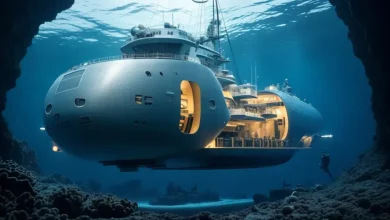
 Oceanographic Exploration: Key Challenges in Unlocking the Mysteries of the Ocean
 Mitigation Efforts
- Reducing Carbon Emissions: Limiting emissions is the primary approach to slow ocean warming, acidification, and sea level rise. International agreements, such as the Paris Agreement, aim to curb emissions and limit global warming to 1.5°C.
- Carbon Sequestration: Marine-based solutions, such as restoring mangroves, seagrass beds, and salt marshes, offer carbon sequestration benefits while providing habitats for diverse species.
Adaptation Strategies
- Coastal Defense Mechanisms: Building sea walls, restoring wetlands, and creating artificial reefs help protect coastal areas from erosion and flooding.
- Marine Protected Areas (MPAs): Establishing MPAs can shield biodiversity hotspots from further stress, allowing ecosystems to recover and adapt to changing conditions.
- Sustainable Fisheries Management: Implementing quotas, reducing bycatch, and protecting spawning grounds are essential for ensuring resilient fish populations in a changing ocean.
Future Directions in Ocean Climate Research
Ongoing research in oceanography is crucial for understanding and mitigating climate change impacts. Key areas of focus include:
- Enhanced Climate Models: Developing more accurate climate models that integrate ocean dynamics with atmospheric processes is essential for predicting and preparing for future climate scenarios.
- Long-Term Monitoring: Establishing global ocean monitoring systems, such as the Argo array of autonomous floats, helps track changes in ocean temperature, salinity, and pH over time.
- Public Awareness and Policy Development: Educating communities and policymakers on the importance of ocean health fosters support for initiatives to combat climate change and preserve marine ecosystems.
The impact of climate change on ocean dynamics is extensive and multifaceted, affecting temperatures, circulation, biodiversity, and coastal communities. These changes not only alter marine ecosystems but also have far-reaching implications for global climate, human societies, and future generations. Through scientific exploration, sustainable practices, and proactive policy, we can work toward preserving ocean health in the face of climate change.