
Defying Gravity: The Devil’s Bridge in Germany

A Bridge Shrouded in Mystery
Nestled in the verdant landscapes of Kromlau Park, Saxony, the Devil’s Bridge in Germany (known locally as Rakotzbrücke) has long captivated visitors with its otherworldly charm.
Constructed in the mid-19th century, this breathtaking bridge defies engineering norms, forming a near-perfect circle with its reflection in the water below. Legends whisper that this marvel was created by the devil himself, a testament to its mystique and allure. But how much of its story is truth, and how much is folklore? Let’s unravel the enigma behind this architectural wonder.
What Is the Devil’s Bridge?
Architectural Brilliance
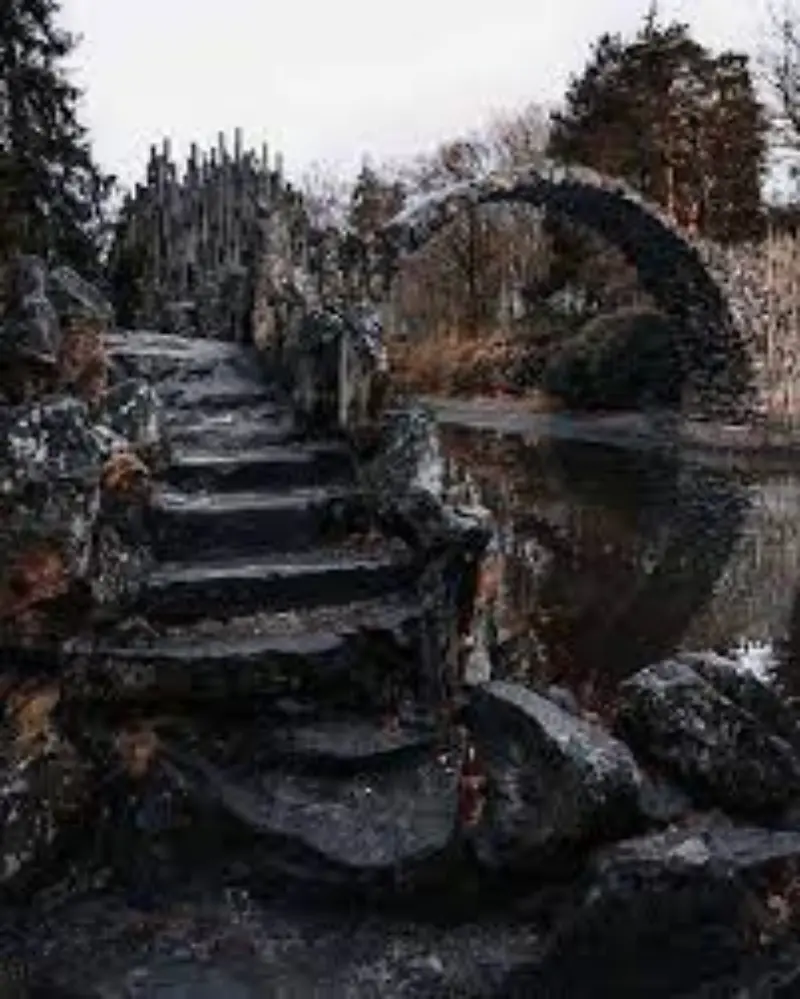
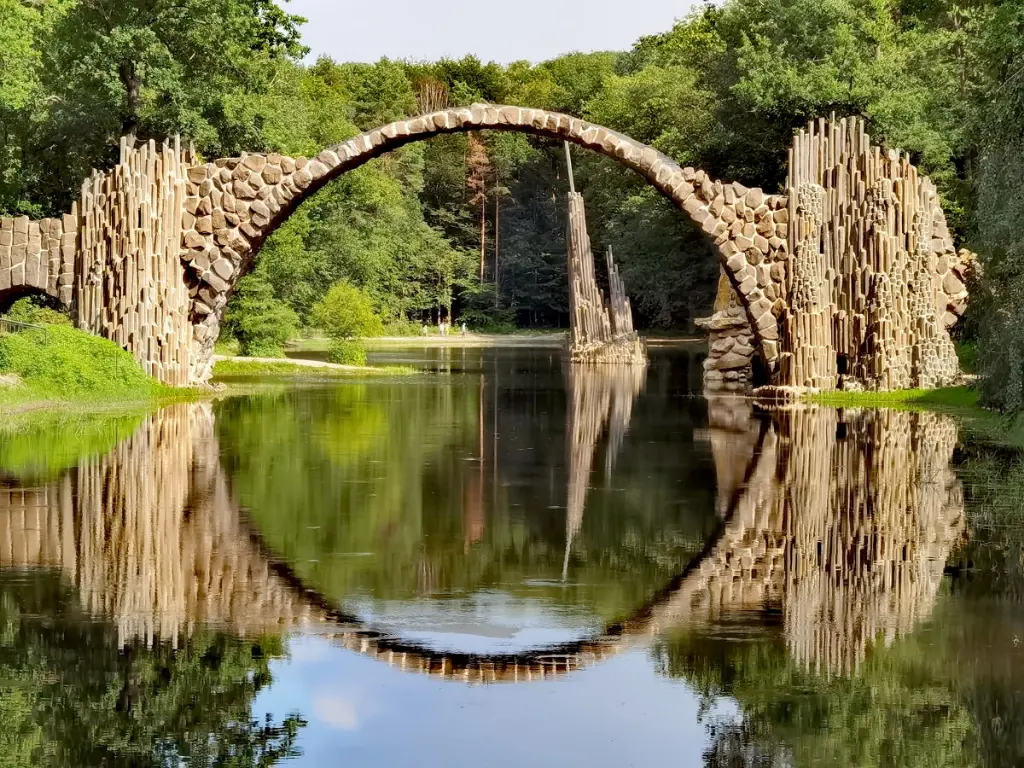
The Devil’s Bridge in Germany is an arch bridge spanning a small lake in the Kromlauer Park. It is constructed from jagged basalt stones, blending harmoniously with the natural surroundings. This design ensures that its reflection in the water completes a perfect circle, leaving visitors awestruck by its symmetry.
Historical Context
Built in 1860 under the commission of Friedrich Hermann Rötschke, a knight and nature enthusiast, the bridge was intended as a decorative highlight. Unlike typical bridges built for utility, Rakotzbrücke was designed solely for aesthetic appeal, symbolizing harmony between man-made structures and nature.
Why Is It Called the Devil’s Bridge?
The moniker “Devil’s Bridge” isn’t unique to Rakotzbrücke. Across Europe, several ancient and medieval bridges carry the same name, steeped in local folklore. The story behind these bridges often involves a pact with the devil, where a builder exchanges their soul for assistance with an otherwise impossible construction.
The Legend of Rakotzbrücke
According to local lore, the Rakotzbrücke was so impossibly intricate that villagers believed it was built by Satan himself. In exchange, the devil demanded the soul of the first living being to cross the bridge. To outsmart the devil, the cunning builder sent a goat across first, thus sparing any human sacrifice.
This tale adds an eerie, magical quality to the bridge, making it a magnet for thrill-seekers and history enthusiasts alike.
Where Is the Devil’s Bridge Located?
Kromlauer Park: A Hidden Gem
The Devil’s Bridge in Germany is situated in the picturesque Kromlauer Park (Kromlauer Park), a 200-acre landscaped garden in Saxony. Known for its rhododendrons and azaleas, the park is especially stunning in spring and autumn, drawing nature lovers and photographers from all over the world.
 Earth’s Deepest Points: Exploring the Mariana Trench
How to Get There
- By Car: Kromlau is approximately a 2-hour drive from Dresden and a 3-hour journey from Berlin.
- By Train: Travelers can take a train to Weißwasser and continue the journey by bus or taxi to the park.
- On Foot: A stroll through the park to the Rakotzbrücke is an experience in itself, with lush greenery and serene pathways enhancing the charm.
The Engineering Marvel Behind Rakotzbrücke
Perfect Symmetry
The bridge’s genius lies in its design. Its semi-circular structure is positioned precisely above the calm waters of the Rakotzsee (Rakotz Lake), creating an optical illusion of a full circle when viewed from specific angles. This symmetry has led many to believe the bridge defies the laws of gravity.
Materials Used
The bridge was constructed from basalt columns, a volcanic rock known for its durability and distinctive appearance. These were painstakingly sourced from quarries and crafted to achieve the bridge’s jagged, dramatic look.
Limitations of the Structure
While breathtaking, Rakotzbrücke is delicate. For preservation purposes, visitors are prohibited from walking across it. The bridge remains a visual treat rather than a functional crossing.
The Devil’s Bridge and Its Role in Folklore
Throughout Europe, bridges linked to the devil often serve as metaphors for overcoming insurmountable challenges. They symbolize humanity’s ingenuity and determination to conquer obstacles—spiritual, natural, or otherwise.
Similar Bridges Around Europe
- Pont du Diable (France): Built in the 11th century, this bridge in Occitanie shares a similar legend of a pact with the devil.
- Teufelsbrücke (Switzerland): A key part of Swiss folklore, this bridge spans the Schöllenen Gorge.
- Puente del Diablo (Spain): Located near Barcelona, this medieval bridge also carries tales of devilish bargains.
Is It Really Haunted?
The Rakotzbrücke has no verified hauntings, but its eerie reputation persists. The dark basalt stones, misty mornings, and the haunting beauty of the surrounding forest create an atmosphere ripe for ghost stories and paranormal speculation.
When to Visit the Devil’s Bridge?
Best Seasons
- Spring (April–May): The blooming rhododendrons and azaleas create a vibrant backdrop.
- Autumn (September–October): The golden hues of the foliage add a warm, magical touch.
Photography Tips
- Visit early in the morning or late in the afternoon for the best lighting.
- Use a wide-angle lens to capture the full circle reflection.
Things to Do Around Kromlauer Park
Explore the Park
- Wander through the expansive gardens, soaking in the serene atmosphere.
- Take a picnic and enjoy the tranquil surroundings.
Visit Nearby Attractions
- Fürst-Pückler-Park: A UNESCO World Heritage site offering beautiful gardens and historic architecture.
- Bad Muskau: A charming town near the Polish border, perfect for a day trip.
Why Is the Devil’s Bridge Significant?
Cultural Importance
Rakotzbrücke embodies the Romantic ideals of 19th-century Europe, where art, architecture, and nature were intertwined. Its enchanting design continues to inspire artists, writers, and travelers.
A Symbol of Unity
The bridge’s circular reflection symbolizes wholeness and unity, a connection between the earthly and the divine, the real and the surreal.
Preservation Efforts
Challenges
Over the years, weathering and human interference have taken a toll on the bridge. Preservationists face the challenge of maintaining its original charm while ensuring structural integrity.
 Oldest Rivers on Earth and Their Geological Significance
Conservation Initiatives
Local authorities have limited access to the bridge and initiated regular maintenance to preserve it for future generations. Visitors are encouraged to respect these measures to protect this historic landmark.
FAQs About the Devil’s Bridge in Germany
Why can’t visitors walk on Rakotzbrücke?
The bridge is fragile, and walking on it could lead to structural damage.
Is there an entrance fee to Kromlauer Park?
No, the park is free to enter, though donations for its upkeep are appreciated.
Can I photograph the Devil’s Bridge?
Yes, photography is allowed, and the bridge is one of the most photographed spots in Germany.
What is the best time to see the bridge’s reflection?
Early mornings or on calm, windless days when the water is undisturbed.
How long does it take to explore the park?
A leisurely visit typically takes 2–3 hours, including time for photography and relaxation.
Are there guided tours available?
While there are no official tours, local guides often offer informative walks.
Final Reflection: The Eternal Allure of Rakotzbrücke
The Devil’s Bridge in Germany is more than just a structure; it is a gateway to a world where architecture, nature, and myth intertwine. Whether you’re a history buff, a nature lover, or simply a seeker of beauty, Rakotzbrücke offers an unforgettable experience. Its allure lies not just in its perfect symmetry but in the stories it tells a bridge that connects not only two shores but also the realms of reality and imagination.
 Salt Flats on Earth: Stunning Natural Wonders


