
Oldest Rivers on Earth and Their Geological Significance

The Earth’s surface is a living canvas shaped by natural forces over billions of years. Among its most fascinating features are the ancient rivers that have witnessed the birth and evolution of continents.
These waterways are not just geographical landmarks they’re powerful timekeepers, offering a glimpse into Earth’s deep geological past. In this article, we’ll explore the oldest rivers on Earth, their unique characteristics, and the invaluable role they play in understanding our planet’s history.
What Defines a River’s Age?
Before we dive into specific examples of ancient rivers, it’s crucial to understand how a river’s age is determined.
Factors That Establish a River’s Age
- Geological Evidence: The age of the land formations through which the river flows.
- Erosion Patterns: Older rivers carve deeper valleys and show extensive erosion compared to younger ones.
- Unchanged Path: Some rivers maintain their course despite significant tectonic changes, suggesting they predate mountain formations.
Why Are Ancient Rivers Important?
These waterways are natural archives, holding vital clues about:
- The tectonic history of the Earth.
- The evolution of ecosystems and landscapes.
- Past climate changes, including glaciation and warming phases.
Top 7 Oldest Rivers on Earth
1. The Nile River: A Historical Giant

Age: Estimated at 30 million years.
Location: Northeastern Africa.
The Nile River is not only a cradle of civilization but also a contender for being one of the oldest rivers on Earth. Its flow through ancient valleys indicates it existed long before the Great Rift Valley began to form. Over millennia, the Nile has supported some of the most significant human cultures, making it a symbol of both geological and anthropological importance.
2. The Finke River: Australia’s Timeless Stream

Age: Around 350 million years.
Location: Central Australia.
Often referred to as one of the world’s oldest rivers, the Finke River winds through the arid landscapes of Australia. The MacDonnell Ranges through which it flows were uplifted during the Alice Springs Orogeny, hinting at its ancient origins. Today, its intermittent flow is a stark reminder of Australia’s changing climate over millions of years.
3. The New River: A Misleading Name
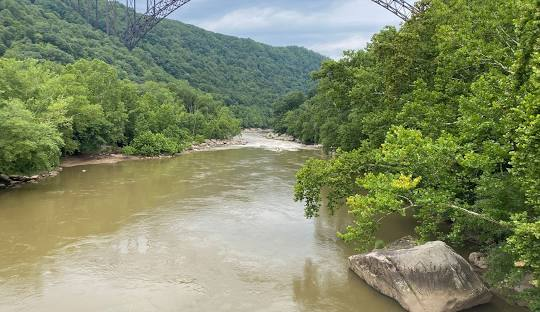
Age: Approximately 300 million years.
Location: Eastern United States.
Despite its name, the New River is one of the oldest rivers in North America. It predates the Appalachian Mountains and has carved a spectacular gorge that reveals layers of rock stretching back hundreds of millions of years.
4. The Meuse River: Europe’s Ancient Waterway
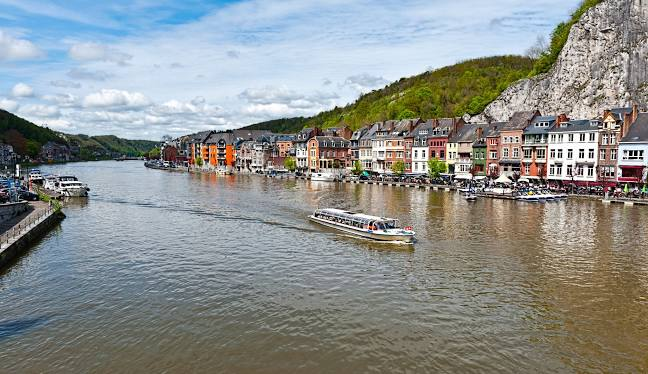
Age: Estimated at 320 million years.
Location: Western Europe.
The Meuse River, winding through Belgium, France, and the Netherlands, showcases an ancient path shaped by tectonic activity during the Carboniferous Period. Its extensive erosion patterns and sediments are a testament to its longevity.
 Salt Flats on Earth: Stunning Natural Wonders
5. The French Broad River: A Tectonic Witness

Age: Around 300 million years.
Location: Eastern United States.
The French Broad River, coursing through the Appalachian region, provides evidence of ancient landscapes. It has weathered the rise and fall of mountain ranges, making it a geological wonder.
6. The Yangtze River: A Symbol of Resilience

Age: Estimated at 45 million years.
Location: China.
The Yangtze River is not just the longest river in Asia; it’s also one of the oldest. Flowing through diverse ecosystems, the river’s existence is intertwined with the rise of some of China’s most prominent civilizations.
7. The Indus River: Shaping Civilizations

Age: Approximately 45 million years.
Location: South Asia.
The Indus River played a vital role in the development of the Indus Valley Civilization. Its deep valleys and long course reflect a history shaped by tectonic collisions and Himalayan uplift.
How Ancient Rivers Shaped Earth’s Geography
Tectonic Activity and River Systems
Many ancient rivers predate the mountain ranges they flow through, such as the New River cutting through the Appalachians. This phenomenon, called antecedence, occurs when a river maintains its course despite tectonic uplift, carving through the rising terrain.
Erosion and Sediment Transport
Over millions of years, these rivers have transported enormous amounts of sediment, reshaping coastlines, forming deltas, and influencing ocean currents. For instance:
- The Nile Delta has expanded due to the river’s sediment load.
- The Yangtze River contributes to China’s fertile plains.
Climate Indicators
Sediments from ancient rivers hold records of past climates, including evidence of ice ages and tropical phases. These deposits help scientists reconstruct Earth’s climatic history.
Unique Features of Ancient Rivers
Meandering Patterns
Ancient rivers often display well-developed meanders, which indicate long-term erosion and sediment deposition.
Deep Valleys
Old rivers, like the Colorado River, which formed the Grand Canyon, exhibit profound valleys and gorges, highlighting their longevity.
 Bioluminescence on Earth: Where Nature Glows in the Dark
Alluvial Plains
The sediments deposited by ancient rivers create fertile plains that support agriculture and biodiversity. Examples include the Ganges River Plain and the Nile Delta.
Cultural and Historical Significance
Cradle of Civilizations
Many ancient rivers, such as the Indus, Tigris, and Euphrates, supported early human settlements. These rivers provided:
- Water for irrigation.
- Routes for transportation and trade.
- Fertile land for agriculture.
Spiritual Connections
In numerous cultures, rivers are revered as sacred. For example:
- The Ganges River is considered holy in Hinduism.
- The Nile was central to Egyptian mythology.
FAQs About Ancient Rivers
What makes a river “ancient”?
A river is considered ancient if it has maintained its course or significant geological features for millions of years, predating major geological events like mountain formation.
How do scientists determine a river’s age?
By studying the surrounding rocks, erosion patterns, and tectonic history of the region.
Why are ancient rivers important for geology?
They provide evidence of Earth’s tectonic history, climate changes, and evolutionary processes.
Can rivers survive geological changes?
Yes, through processes like antecedence, some rivers cut through rising mountains or shift courses to adapt to environmental changes.
What is the oldest river on Earth?
The Finke River in Australia is often regarded as one of the oldest, estimated to be over 350 million years old.
 Meteorites and Earth’s History: Space Rocks Shaping Our Planet
The Legacy of Earth’s Ancient Rivers
The ancient rivers of Earth are more than just geographical features—they are storytellers of our planet’s dynamic history. By studying them, we gain insights into the forces that shaped continents, the climates of the past, and the development of life. These waterways continue to sustain life and inspire awe, reminding us of Earth’s incredible resilience and transformation over time.


