
Earth’s Deepest Points: Exploring the Mariana Trench

The Earth’s deepest points hold mysteries that have fascinated scientists and explorers for decades. Hidden beneath miles of ocean, the Mariana Trench is a place of wonder, danger, and untapped scientific potential. How deep does it go? What lives in these uncharted depths? Let’s dive into the intriguing world of the Mariana Trench, uncovering its secrets and understanding its significance in Earth’s ecosystem.
What Is the Mariana Trench?
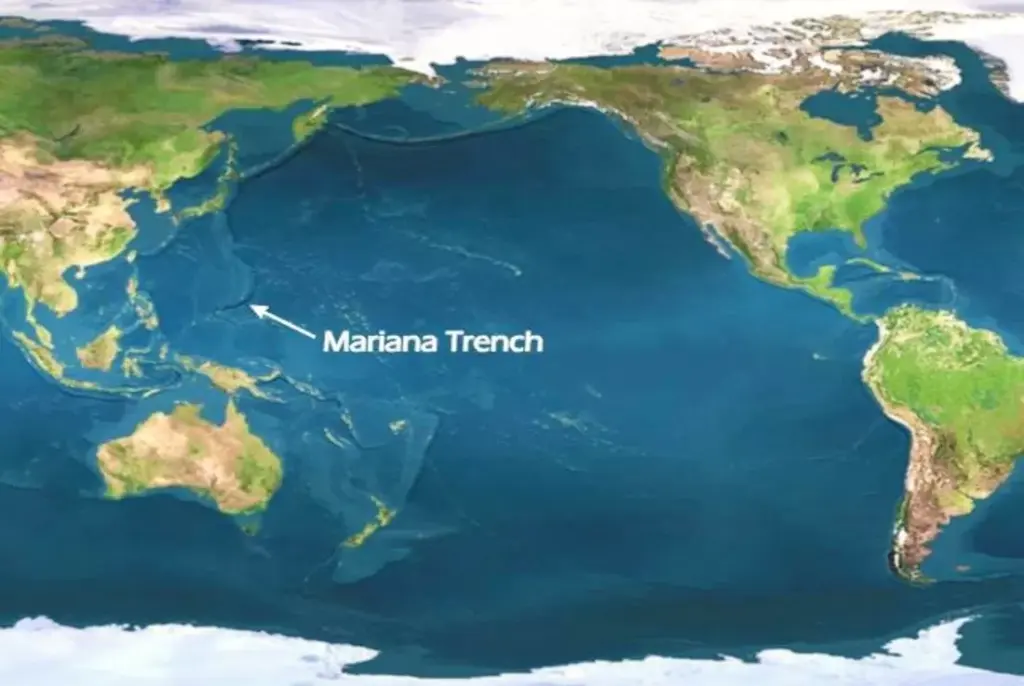
The Mariana Trench is the deepest natural trench in the world, located in the western Pacific Ocean near the Mariana Islands. Stretching approximately 1,550 miles (2,500 km) in length and about 44 miles (70 km) wide, it plunges to depths unmatched by any other location on Earth.
Where Is the Mariana Trench Located?
The trench lies east of the Philippines and south of Japan, nestled in the Pacific Ocean basin. The nearby Mariana Islands, an arc of volcanic islands, give the trench its name. This region is part of the Pacific Ring of Fire, a zone known for its intense geological activity.
Key Features of the Trench
- Challenger Deep: The deepest known point of the trench—and the Earth—reaches about 36,037 feet (10,984 meters) below sea level.
- Pressure Extremes: At such depths, the pressure is over 1,000 times greater than at the ocean’s surface.
- Unique Ecosystem: Despite its extreme conditions, the trench hosts a variety of life forms adapted to its harsh environment.
How Deep Is the Mariana Trench Compared to Other Deep Points?
The Mariana Trench’s Challenger Deep holds the record for the greatest depth ever measured on Earth. To put it into perspective:
- Mount Everest’s height: 29,032 feet (8,849 meters) above sea level. You could place Everest in the trench, and it would still be submerged under over a mile of water.
- The Puerto Rico Trench: The Atlantic Ocean’s deepest point at 27,480 feet (8,376 meters).
- The Java Trench: Indian Ocean’s deepest point at 25,344 feet (7,725 meters).
How Was the Mariana Trench Formed?
The Mariana Trench owes its existence to tectonic plate activity. It’s a subduction zone where the Pacific Plate dives beneath the smaller Mariana Plate, creating a deep underwater valley.
 Oldest Rivers on Earth and Their Geological Significance
What Causes Subduction Zones?
- Plate Movements: The Earth’s lithosphere is broken into tectonic plates that move over the semi-fluid asthenosphere.
- Oceanic Plate Subduction: Denser oceanic plates sink beneath lighter continental or oceanic plates, forming trenches.
- Volcanism and Earthquakes: Subduction zones are hotspots for volcanic eruptions and seismic activity.
What Lives in the Mariana Trench?
Despite its harsh conditions, the trench is teeming with life. The organisms here have evolved to withstand crushing pressures, frigid temperatures, and complete darkness.
Unique Creatures Found in the Trench
- Xenophyophores: Single-celled organisms that thrive on the ocean floor.
- Amphipods: Shrimp-like creatures adapted to the extreme environment.
- Deep-Sea Jellyfish: Transparent species with bioluminescent features.
- Snailfish: One of the trench’s top predators, thriving at depths of 8,000 meters or more.
Scientific Exploration of the Mariana Trench
The journey to explore the Earth’s deepest points has been a challenge for humanity. From the first manned descent to modern robotic missions, each step brings us closer to understanding this alien world.
Historical Milestones
- 1960 – Trieste Expedition: Don Walsh and Jacques Piccard became the first humans to reach Challenger Deep in the bathyscaphe Trieste.
- 2012 – James Cameron’s Dive: Renowned filmmaker and explorer James Cameron completed a solo descent to the trench in the Deepsea Challenger.
Modern Technology in Exploration
- ROVs (Remotely Operated Vehicles): Robots like Nereus and Kaiko have revolutionized trench exploration.
- Sonar Mapping: Advances in sonar technology have provided detailed maps of the trench’s topography.
- Sampling Devices: Specialized equipment collects sediment, water, and biological samples for study.
Why Is the Mariana Trench Important?
Studying the Mariana Trench offers invaluable insights into Earth’s geology, biology, and climate systems.
Key Reasons for Its Significance
- Biodiversity Hotspot: The trench hosts unique species that contribute to our understanding of life’s adaptability.
- Carbon Sequestration: Deep-sea organisms play a role in capturing and storing carbon, helping regulate the global climate.
- Geological Insights: Understanding tectonic activity in the trench aids in earthquake prediction and plate movement studies.
Challenges of Exploring the Deepest Points
The Earth’s deepest points are among the most hostile environments on the planet. Exploring them requires overcoming numerous challenges:
- Extreme Pressure: Equipment must withstand pressures over 8 tons per square inch.
- Lack of Light: Operating in total darkness complicates navigation and observation.
- High Costs: Deep-sea missions are expensive, often requiring multimillion-dollar budgets.
Myths and Misconceptions About the Mariana Trench
The mysterious nature of the Mariana Trench has given rise to myths and misconceptions.
 Salt Flats on Earth: Stunning Natural Wonders
Common Myths
- “The trench is bottomless.”
Reality: Challenger Deep is the deepest point, but it has a measurable depth of approximately 36,037 feet. - “No life exists in the trench.”
Reality: The trench is home to diverse life forms that thrive under extreme conditions. - “Monsters dwell in the trench.”
Reality: While some creatures may appear otherworldly, they are scientifically fascinating rather than monstrous.
Fun Facts About the Mariana Trench
- Water Column Weight: The water above Challenger Deep weighs over 8 tons per square inch.
- Exploration Percentage: Only about 5% of the world’s oceans, including the trench, have been explored.
- Bioluminescence: Many creatures in the trench emit light to attract prey or evade predators.
Frequently Asked Questions About Earth’s Deepest Points
How deep is the Mariana Trench?
The trench’s Challenger Deep reaches about 36,037 feet (10,984 meters) below sea level.
Can humans survive at the bottom of the trench?
Without specialized submersibles, humans cannot withstand the extreme pressure at such depths.
What’s the temperature in the trench?
Temperatures near the bottom are just above freezing, averaging around 1-4°C (34-39°F).
Are there undiscovered species in the trench?
Yes, scientists believe there are countless undiscovered species in the trench’s unexplored regions.
Why is the trench important to study?
Studying the trench helps us understand Earth’s geology, climate, and the adaptability of life.
 Bioluminescence on Earth: Where Nature Glows in the Dark
Can earthquakes originate from the trench?
Yes, the trench is a subduction zone, making it a hotspot for tectonic activity and seismic events.
Final Thoughts: Unlocking the Mysteries of Earth’s Deepest Points
The Mariana Trench, as one of Earth’s deepest points, represents a frontier of science and exploration. Its secrets offer clues to Earth’s history, the limits of life, and the planet’s dynamic systems. By continuing to explore and study this underwater marvel, we deepen our connection to the world and uncover the extraordinary resilience of life in even the most extreme environments.


