
Salt Flats on Earth: Stunning Natural Wonders

Salt flats are some of the most breathtaking and surreal landscapes on Earth. These vast, reflective terrains form where large bodies of water have evaporated over time, leaving behind expansive salt crusts that stretch as far as the eye can see.
Found on every continent, these shimmering white plains captivate adventurers, photographers, and scientists alike. But what exactly are salt flats, and why are they such a significant part of Earth’s natural beauty? Let’s dive deep into this fascinating phenomenon to explore the science, history, and allure of salt flats on Earth.
What Are Salt Flats?
Salt flats, also known as salt pans or playas, are expansive flat terrains covered with layers of salt and other minerals. These formations occur in regions where water evaporates faster than it accumulates, typically in arid or semi-arid climates. Over centuries, the water in these areas dries up, leaving behind a thick crust of salt.
Key Features of Salt Flats
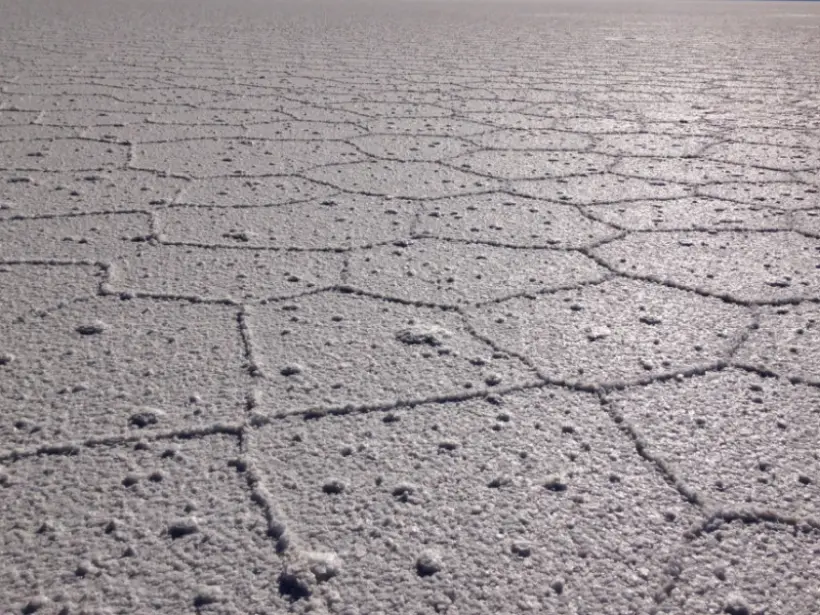
- Reflective Surfaces: Salt flats often create mirror-like reflections, especially after rainfall, which adds to their mystique.
- Extreme Flatness: They are among the flattest natural surfaces on Earth, with some, like the Salar de Uyuni, varying by less than a meter over thousands of square kilometers.
- Unique Ecosystems: Though seemingly lifeless, salt flats host microbial life adapted to extreme conditions.
How Are Salt Flats Formed?
- Water Accumulation: Salt flats usually form in closed basins where water collects from rivers, rainfall, or melting ice.
- Mineral Saturation: As the water evaporates, minerals like sodium chloride (table salt) and gypsum are left behind.
- Evaporation: Over time, repeated evaporation cycles create a thick crust of salt, leading to the iconic flat, shimmering landscapes.
Famous Salt Flats Around the World
Salt flats are scattered across the globe, each offering unique geological features and cultural significance. Here are some of the most renowned examples:
1. Salar de Uyuni (Bolivia)
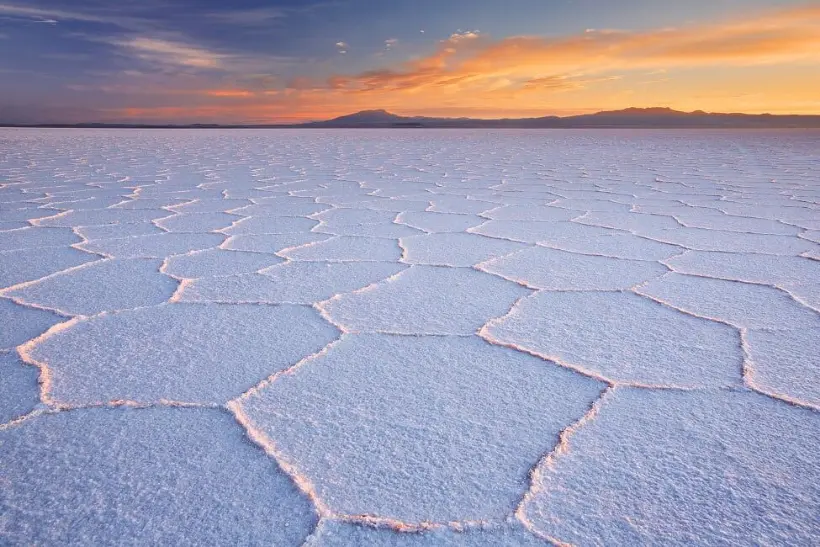
The largest salt flat on Earth, Salar de Uyuni spans over 10,000 square kilometers in southwest Bolivia. During the rainy season, it transforms into a natural mirror, reflecting the sky perfectly.
- Key Facts:
- Contains 7% of the world’s lithium reserves.
- A favorite destination for photographers due to its surreal landscape.
- Home to flamingos and unique microbial life.
2. Bonneville Salt Flats (USA)
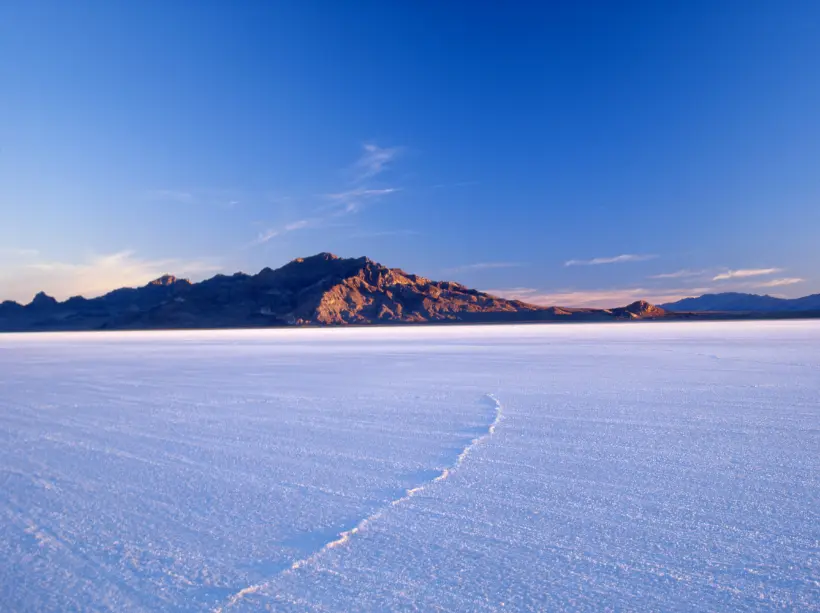
Located in Utah, these salt flats are famous for hosting speed racing events, thanks to their incredibly smooth and hard surface.
- Key Facts:
- Covers 30,000 acres.
- Formed from the ancient Lake Bonneville, which existed over 15,000 years ago.
3. Etosha Pan (Namibia)
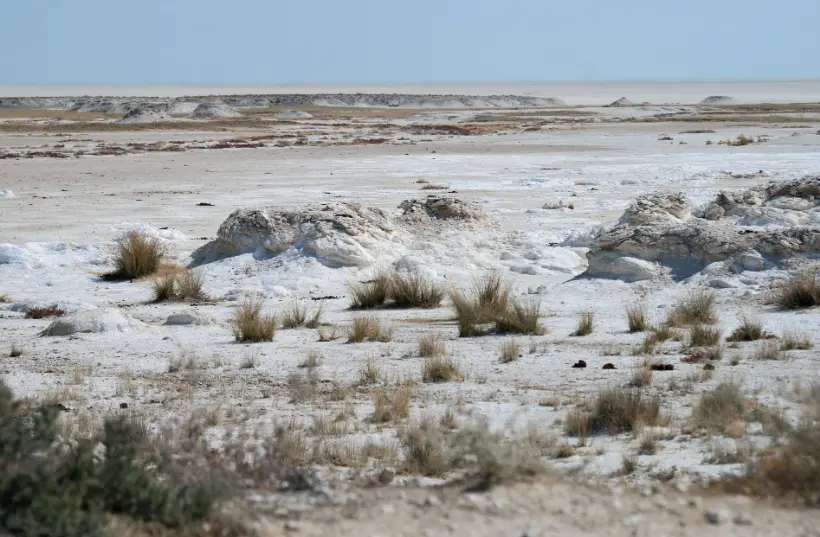
This African salt flat is part of the Etosha National Park and supports a unique ecosystem, attracting diverse wildlife during the wet season.
 Bioluminescence on Earth: Where Nature Glows in the Dark
- Key Facts:
- Fills with shallow water during rains, drawing zebras, elephants, and flamingos.
- Salt crust becomes blindingly white under the sun.
4. Salar de Atacama (Chile)
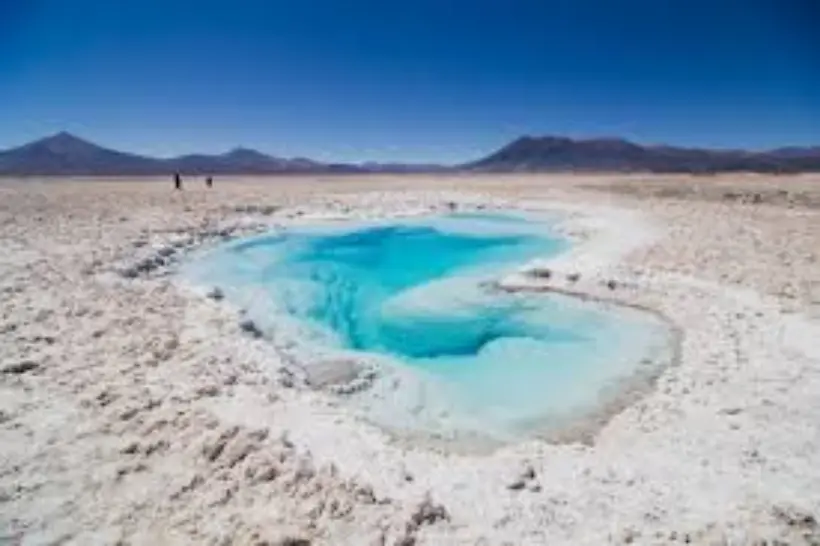
Located in the Atacama Desert, one of the driest places on Earth, this salt flat is a prime location for stargazing and lithium mining.
- Key Facts:
- Surrounded by volcanoes and arid desert landscapes.
- Provides habitats for rare species like Andean flamingos.
The Science Behind Salt Flats
Salt flats are not just visually stunning but also scientifically intriguing. Their unique properties provide valuable insights into geology, climate, and even extraterrestrial environments.
Geological Formation
Salt flats form over thousands of years through a combination of tectonic activity, climate patterns, and water evaporation. The minerals found in these flats are remnants of ancient lakes or seas.
Climate Indicators
Salt flats serve as natural records of climatic changes. By studying the layers of salt and sediment, scientists can infer past rainfall patterns, drought cycles, and even atmospheric composition.
Mars Connection
Some salt flats, such as those in the Atacama Desert, resemble Martian landscapes, making them key study sites for astrobiology. NASA has used these areas to test equipment designed for Mars exploration.
Why Are Salt Flats Important?
Despite their barren appearance, salt flats hold immense ecological, economic, and cultural value.
1. Ecological Importance
- Provide critical habitats for migratory birds and unique microbial life.
- Act as natural flood basins, helping to regulate regional water flow.
2. Economic Value
Salt flats are major sources of minerals like salt, lithium, and borates. The lithium extracted from places like Salar de Uyuni is crucial for batteries used in electric vehicles and renewable energy storage.
 Meteorites and Earth’s History: Space Rocks Shaping Our Planet
3. Cultural Significance
Many indigenous communities view salt flats as sacred sites. For example, Bolivia’s Salar de Uyuni holds deep cultural importance for the local Aymara people.
Visiting Salt Flats: A Travel Guide
Best Times to Visit
- Dry Season: Ideal for witnessing the vast, white expanse and sharp salt formations.
- Wet Season: Creates the stunning mirror effect, perfect for photography.
Travel Tips
- Pack Essentials: Bring sunglasses, sunscreen, and plenty of water to handle the harsh sunlight and dry climate.
- Choose a Guide: Many salt flats, such as those in Bolivia, are vast and remote, making guided tours essential for safety and exploration.
- Be Respectful: Avoid damaging the fragile salt crust and respect local traditions.
Fun Facts About Salt Flats
- Flatest Place on Earth: Salar de Uyuni is so flat that it’s used to calibrate satellite altimeters.
- Temperature Extremes: Salt flats can reach scorching temperatures during the day and freezing at night.
- Salt Harvesting: Local communities in places like Bolivia harvest salt by hand using traditional methods.
FAQs About Salt Flats
What causes the mirror effect in salt flats?
The mirror effect occurs when a thin layer of water covers the salt crust, creating a reflective surface that mirrors the sky.
Are salt flats dangerous to visit?
While generally safe, salt flats can be hazardous due to their remoteness, harsh temperatures, and potential for disorientation.
Why are salt flats so white?
The white color comes from the high concentration of salt, which reflects sunlight effectively.
Can you walk on salt flats?
Yes, most salt flats are walkable, but visitors should tread lightly to avoid damaging the delicate crust.
Do any animals live on salt flats?
Yes, despite their extreme conditions, some salt flats support wildlife such as flamingos, insects, and microorganisms.
Are salt flats used for anything other than tourism?
Yes, they are valuable sources of minerals like lithium and salt, as well as natural laboratories for scientific research.
 What Are Fire Rainbows? A Mesmerizing Optical Phenomenon
Exploring Earth’s Salt Flats: Nature’s Masterpieces
Salt flats are more than just geographical features; they are symbols of nature’s ability to create extraordinary beauty in the harshest conditions. From the mesmerizing reflections of Salar de Uyuni to the wildlife-rich Etosha Pan, salt flats remind us of the Earth’s dynamic and diverse landscapes. Whether you’re a scientist, traveler, or simply a curious mind, salt flats offer something truly awe-inspiring.


