
Deserts on Earth: Surprising Facts About Arid Regions
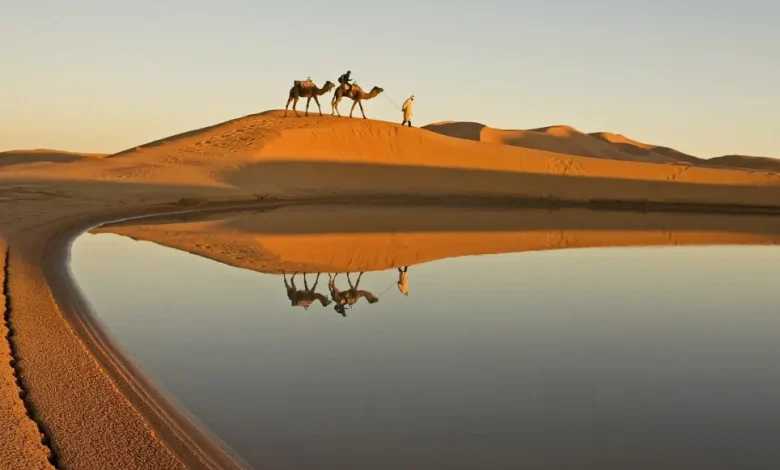
Deserts are known for their vast, barren landscapes, extreme temperatures, and limited rainfall. While they cover about one-third of Earth’s land surface, deserts are much more than empty wastelands. These unique regions host extraordinary biodiversity, geological formations, and even ancient human history. Let’s explore some unique deserts on Earth and discover surprising facts about these incredible arid ecosystems.
What Defines a Desert?
A desert is typically defined by its low precipitation. Most deserts receive less than 250 millimeters (10 inches) of rain per year. However, they can vary widely in temperature, with some, like the Sahara Desert, experiencing scorching heat, while others, such as Antarctica, are cold year-round. Despite these differences, deserts share one key trait: they are incredibly dry environments that challenge life to adapt.
Types of Deserts
Deserts come in several types based on their climate and geographical characteristics:
- Hot and Dry Deserts: Characterized by high temperatures and minimal rainfall, like the Sahara and the Arabian Desert.
- Cold Deserts: Located in polar regions, including Antarctica and parts of Greenland.
- Coastal Deserts: Situated along coastlines with cool, foggy climates, such as the Atacama Desert in South America.
- Semi-Arid Deserts: Receive slightly more rain, supporting some vegetation; the Great Basin Desert in the U.S. is an example.
Surprising Facts About Unique Deserts on Earth
The Sahara Desert: Largest Hot Desert
The Sahara Desert, covering approximately 9.2 million square kilometers, is the largest hot desert on Earth. Its vast sand dunes, some reaching up to 180 meters high, are iconic, but they only make up about 15% of the desert. The rest is composed of gravel plains, plateaus, and rugged mountains. With summer temperatures reaching 50°C (122°F), the Sahara is also among the hottest places on the planet.
 How Earth’s Oxygen Levels Have Changed Over Time
Antarctica: The Largest Desert on Earth
Though often surprising, Antarctica holds the title of the largest desert on Earth. Covering 14 million square kilometers, it is an extreme environment where temperatures can drop below -89.2°C (-128.6°F). Unlike sandy deserts, Antarctica’s surface is mostly ice, but the low humidity and minimal precipitation qualify it as a desert.
The Atacama Desert: Driest Place on Earth
The Atacama Desert in Chile and Peru is considered the driest non-polar desert on the planet. Some areas of the Atacama receive less than 1 mm of rainfall per year, and some regions have recorded no rainfall for centuries. Despite this extreme dryness, the Atacama supports unique flora, including succulents and lichens adapted to survive on fog moisture.
The Namib Desert: Ancient and Coastal
One of the world’s oldest deserts, the Namib Desert in southwestern Africa, has existed for at least 55 million years. Known for its coastal fog, this desert provides vital moisture to unique species like the Welwitschia plant and desert elephants. The Namib’s red sand dunes are iconic and reach heights of up to 300 meters.
The Gobi Desert: Cold Desert with Unique Wildlife
Spanning northern China and Mongolia, the Gobi Desert is a cold desert with seasonal temperature fluctuations ranging from -40°C (-40°F) in winter to 45°C (113°F) in summer. The Gobi is home to unique species, including the rare Bactrian camel, snow leopards, and Gobi bears, demonstrating that even extreme environments can support diverse life forms.
 Earth’s Hottest Places and What Makes Them So Extreme
Adaptations of Life in Deserts
Plants and animals in deserts have evolved remarkable adaptations to survive arid conditions:
- Water Storage: Many desert plants, like cacti, store water in their stems, leaves, or roots. This adaptation helps them survive during prolonged drought periods.
- Nocturnal Lifestyle: Animals like foxes, snakes, and rodents avoid the heat by being active during the cooler night hours.
- Efficient Water Use: The kidneys of desert animals like camels are highly efficient at conserving water, allowing them to survive on minimal hydration.
Deserts and Human History
While deserts may seem inhospitable, they have played a vital role in human history. Ancient civilizations, such as the Egyptians and the Nabataeans, thrived in desert regions by developing advanced irrigation techniques. The Sahara was once home to lakes, rivers, and abundant wildlife, evidenced by ancient rock art showing scenes of animals like elephants and giraffes. Today, many desert regions still hold archaeological treasures, revealing insights into early human adaptations.
Future of Deserts: Climate Change and Expansion
Climate change is causing desertification, the expansion of desert-like conditions into previously fertile areas. As temperatures rise and rainfall patterns shift, regions like the Sahel in Africa are experiencing increased aridity. Efforts are underway to combat desertification, including reforestation projects and sustainable farming practices.
Conclusion
Deserts on Earth are more than dry, lifeless expanses. Each desert—from the scorching Sahara to the icy Antarctic Desert—holds unique ecosystems, fascinating adaptations, and rich human history. As climate change impacts desert regions worldwide, understanding these landscapes becomes crucial. The surprising diversity and resilience found in deserts remind us of the adaptability of life, even in Earth’s harshest environments.
 The Dead Zone in the Gulf of Mexico: An Oceanic Crisis


