
Geothermal energy: How to harness the earth’s heat
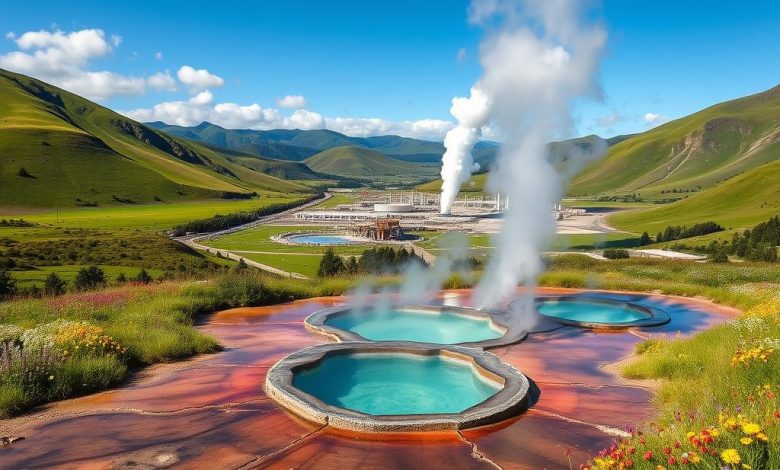
Geothermal energy is a clean and sustainable source of power. It uses the Earth’s heat to make electricity or provide heating and cooling. This makes it a great choice for a greener future.
As we move away from fossil fuels, knowing how to use geothermal energy is key. It’s a natural resource that can help us power our homes and businesses.
In this article, we’ll look at how to tap into geothermal energy. We’ll cover the different ways to access it and the latest tech making it more appealing. You’ll learn all about this renewable energy and its role in a sustainable world.
What is Geothermal Energy?
Geothermal energy comes from the Earth’s interior. It’s mainly from radioactive decay and heat from the core. We can use this geothermal heat with technologies like power plants and heat pumps.
Harnessing the Heat from the Earth’s Interior
The Earth has layers like the core, mantle, and crust. Each has its own heat and temperature. We can use this geothermal energy to make electricity or for heating and cooling.
Types of Geothermal Resources
Geothermal resources are different based on their use and location:
- Hydrothermal resources: These are hot water or steam in the Earth’s crust. They’re good for power or direct use.
- Enhanced geothermal systems (EGS): This method boosts underground heat. It lets us use more geothermal heat.
- Direct use applications: These use the Earth’s surface heat. They’re for heating, cooling, and industrial uses.
New tech has made geothermal energy easier to get. It now works in more places, thanks to new drilling methods. This opens up more ways to use the Earth’s geothermal heat sustainably.
Geothermal Power Plants
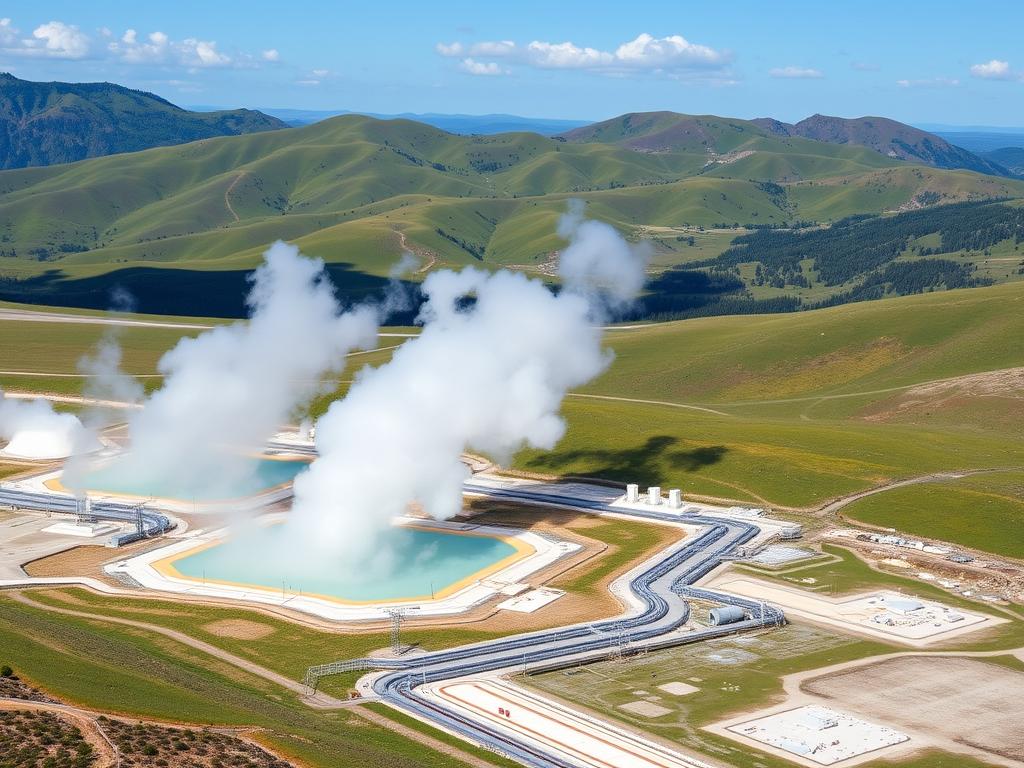
Geothermal power plants use the Earth’s heat to make electricity. They are key in using geothermal power, a clean energy source. We’ll look at two main types: dry steam and flash steam power plants.
Dry Steam Power Plants
Dry steam plants are the simplest to make electricity from geothermal heat. They use pure steam from the Earth to power turbines. These plants are found where the steam is very hot and comes directly from the Earth.
Flash Steam Power Plants
Flash steam plants are more common. They use high-pressure, hot liquid from the Earth. By lowering the pressure, this liquid turns into steam, which powers turbines. These plants work with different types of geothermal reservoirs.
Both dry steam and flash steam plants are crucial for using the Earth’s heat for electricity. As we move towards cleaner energy, these plants will be more important. They help shape our energy future.
Ground-Source Heat Pumps
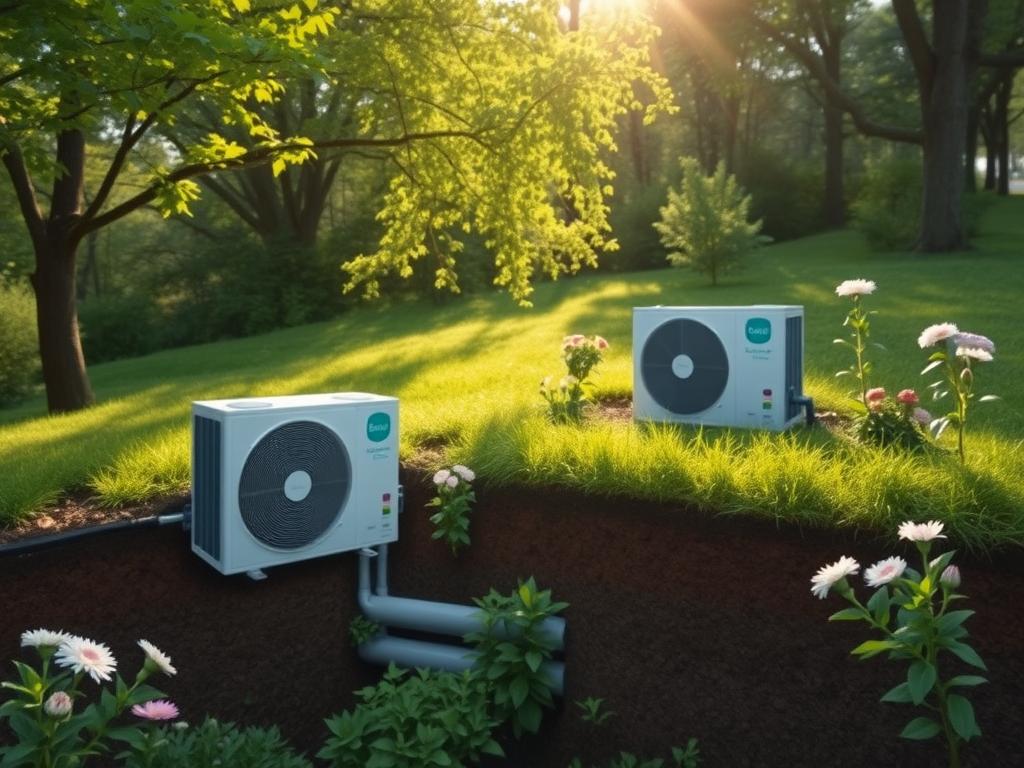
Ground-source heat pumps, also known as geothermal heat pumps, are a smart way to heat and cool buildings. They use the earth’s stable temperature to do so. These systems move heat between the building and the ground using a refrigerant.
They don’t rely on outside air like traditional HVAC systems do. Instead, they use the earth’s temperature a few meters down. This makes them more efficient and better for the environment, using less energy.
The geothermal heat exchange process uses underground pipes, called a ground loop. A refrigerant moves through these pipes, taking heat from the ground or water. This heat is then moved to the building’s HVAC system.
| Feature | Benefit |
|---|---|
| Efficiency | Ground-source heat pumps can be up to 4 times more efficient than traditional HVAC systems, significantly reducing energy consumption and utility bills. |
| Versatility | These systems can be used for both heating and cooling, providing year-round comfort and temperature control. |
| Environmental Impact | Ground-source heat pumps have a smaller carbon footprint compared to fossil fuel-based heating systems, making them a sustainable choice for homeowners and businesses. |
Whether you’re building a new home or updating an old one, ground-source heat pumps are a smart choice. They offer efficient and eco-friendly geothermal heating and cooling solutions.
Hydrothermal Resources
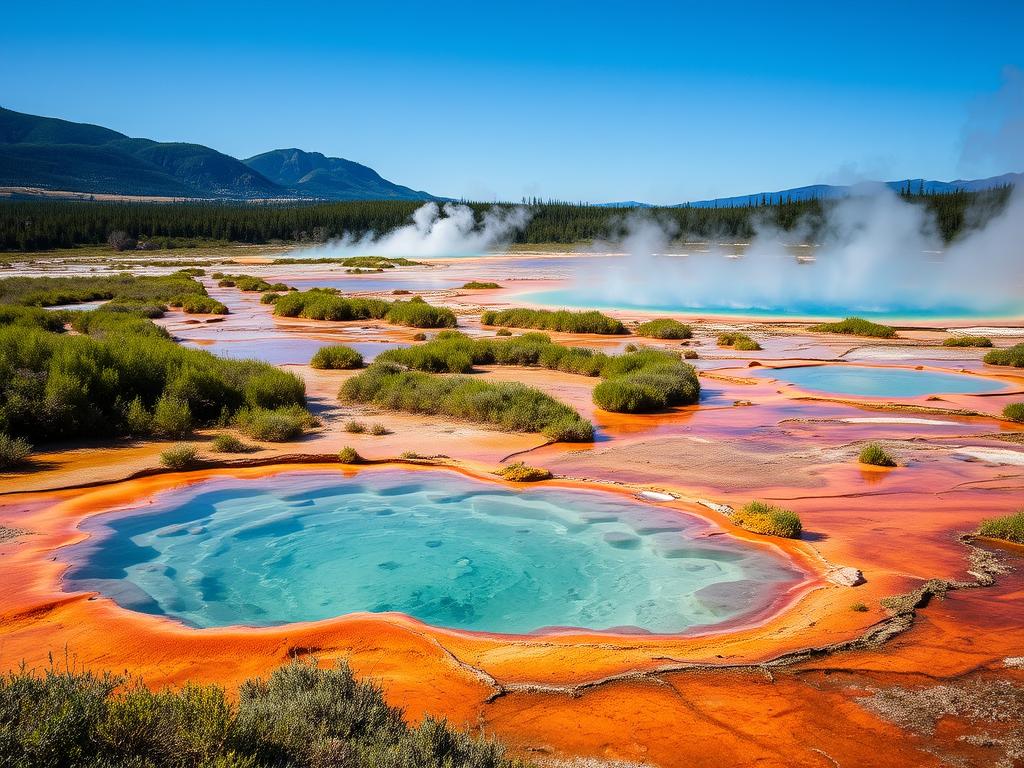
Hydrothermal resources are the most common and widely used geothermal resources. They are found naturally in the Earth’s crust. They use the heat from hot water or steam.
There are two main types: vapor-dominated reservoirs and liquid-dominated reservoirs. Each has its own uses for making geothermal power.
Vapor-Dominated Reservoirs
Vapor-dominated reservoirs have mostly steam, with little water. These high-temperature reservoirs are very efficient for power. They can drive turbines directly without needing complex processes.
But, they are less common than liquid-dominated reservoirs.
Liquid-Dominated Reservoirs
Liquid-dominated reservoirs have mostly hot water, with some steam. They are more common and can be used for power and heating. These reservoirs have lower temperatures than vapor-dominated ones.
Both types are key for growing geothermal power. They help reduce our use of fossil fuels. As we learn more about them, they will play a bigger role in our energy mix.
 Waste and recycling: The importance of reducing, reusing and recycling
Enhanced Geothermal Systems (EGS)
As traditional geothermal resources dwindle, the future of geothermal energy is in enhanced geothermal systems (EGS). EGS technology creates artificial geothermal reservoirs in areas with limited natural permeability. This allows for the extraction of geothermal heat that was previously inaccessible.
The U.S. Department of Energy is investing $31 million in EGS innovation. This money goes to six projects aimed at advancing this technology. Five of these projects focus on improving wellbore construction methods in EGS. This is key for reducing costs and making EGS more viable.
- Clemson University is leading a project to develop tools for assessing geothermal well integrity. This is crucial for EGS deployment.
- Innovative Downhole Solutions Inc. will create a high-resolution acoustics-based system to evaluate EGS reservoirs. This will help optimize their performance.
- Lawrence Berkeley National Laboratory, Los Alamos National Laboratory, and Schlumberger Technology Corp. are also getting grants for their EGS-related research and development efforts.
The Department of Energy is also supporting a project by Project Development Solutions, Inc. This project aims to demonstrate the use of reservoir thermal energy storage (RTES) for industrial applications. RTES technology stores thermal energy in underground reservoirs. This reduces the need for electricity-based heating and could cut carbon emissions by at least 85% by 2035.
| Project | Lead Organization | Focus | Funding |
|---|---|---|---|
| Geothermal well integrity assessment | Clemson University | Wellbore construction | $2 million |
| High-resolution acoustics for EGS evaluation | Innovative Downhole Solutions Inc. | Wellbore construction | $2 million |
| EGS-related research and development | Lawrence Berkeley National Laboratory, Los Alamos National Laboratory, Schlumberger Technology Corp. | Wellbore construction | $10 million |
| Reservoir thermal energy storage (RTES) demonstration | Project Development Solutions, Inc. | Thermal energy storage | $7 million |
These government-funded initiatives are vital for advancing enhanced geothermal systems. They help unlock the full potential of geothermal energy in the United States. By improving wellbore construction and exploring new technologies like RTES, the geothermal industry is set to make big strides in cost reduction and carbon emissions mitigation.
Direct Use Applications
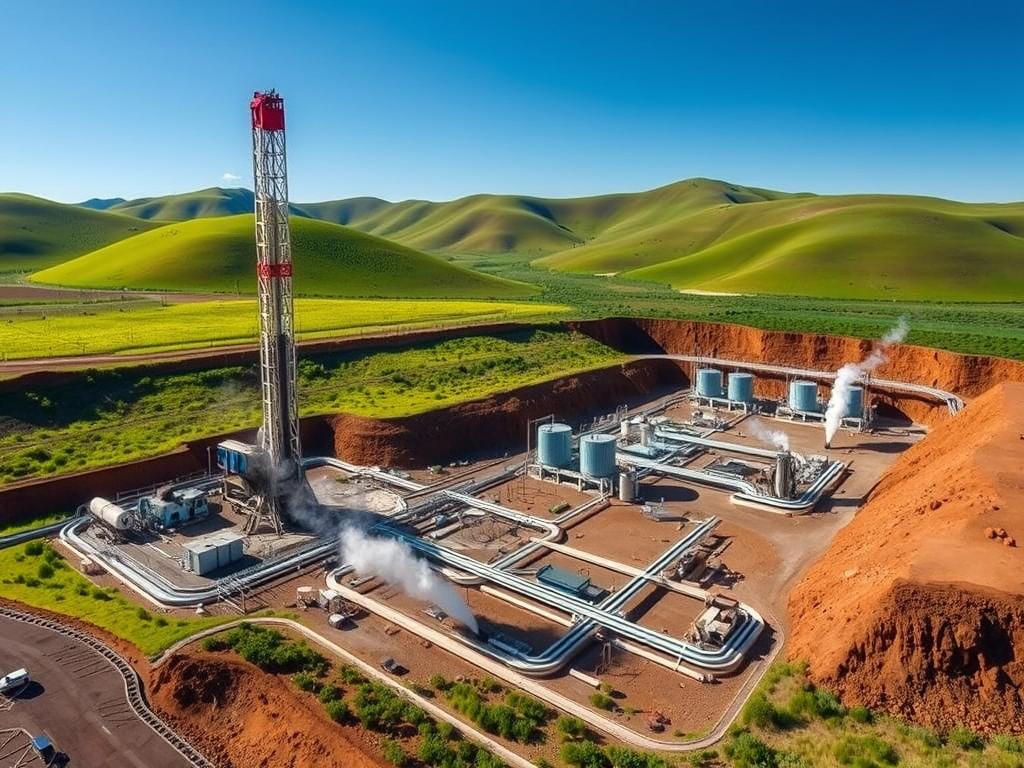
Geothermal energy is used in many ways, not just for electricity. It can be used directly for heating and cooling, and in industrial and agricultural settings. This means we can use the Earth’s heat without building power plants.
Geothermal Heating and Cooling
Ground-source heat pumps are a big part of using geothermal energy. They use the Earth’s shallow heat to warm and cool buildings. This is a green alternative to old HVAC systems.
Industrial and Agricultural Applications
Geothermal heat is also used in many industrial and farming processes. It can heat greenhouses, cool water for fish farms, and dry crops. These uses don’t need electricity, making them efficient.
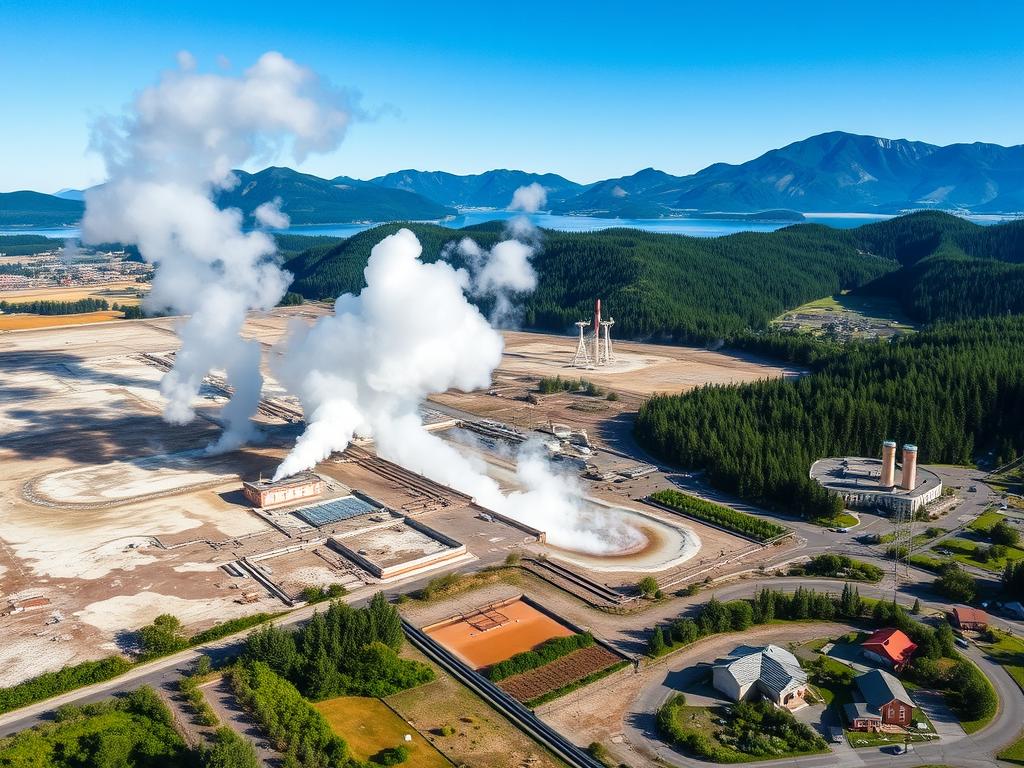
Using the Earth’s heat in direct applications helps cut down on fossil fuel use. It’s a key part of moving towards sustainable energy.
Geothermal energy
Geothermal energy is becoming more popular as a clean energy option. It uses the Earth’s heat deep inside. This energy can power homes, heat water, and cool buildings, making it a key player in finding better energy sources.
One big plus of geothermal energy is that it’s clean. It doesn’t release harmful gases like fossil fuels do. Also, it’s a steady power source, always ready to meet our energy demands.
There are many ways to use geothermal energy. We can build power plants, use ground-source heat pumps, or directly use the Earth’s heat. These methods turn the Earth’s heat into energy for homes and businesses.
As we look for cleaner energy, geothermal is becoming more important. It helps us use less fossil fuels and move towards a greener future. So, it’s a resource we should focus on and invest in.
By keeping up with research and new ideas, we can make geothermal energy even better. It will be a reliable, clean power source for a sustainable future for all.
Environmental Benefits of Geothermal Energy
Geothermal energy has big environmental benefits over traditional energy sources. It doesn’t release harmful gases like carbon dioxide. Also, geothermal power plants use less water and take up less space, making them good for the planet.
Using geothermal energy helps cut down our carbon footprint. The Department of Energy is investing in heat pump manufacturing. This will lead to more heat pumps and water heaters, helping us use sustainable energy more.
But, not many people use geothermal energy yet. Heat pump sales went down in 2023 and 2024. High costs and rising electricity prices make people choose other heating options. We need to make geothermal energy more affordable and appealing.
| Metric | Comparison |
|---|---|
| CO2 emissions per BTU | Propane has 65.46% less CO2 emissions per BTU than electricity |
| Cost per BTU | Propane costs 52.67% less per BTU on the Long Island electric grid |
We need to make electricity cheaper and cleaner. This will encourage people to choose geothermal energy and other renewable energy options. By doing this, we can make our future more sustainable.
Geothermal Exploration Techniques
Finding and checking geothermal resources is key for geothermal energy projects. Geothermal exploration techniques mix geological, geochemical, and geophysical techniques. They help learn about underground heat, rock types, and hydrothermal resources.
Methods include surface mapping, seismic surveys, and studying geothermal fluids. This data shows if a geothermal site can be used for energy.
- Surface mapping: Looking at the surface geology, like hot springs and fumaroles.
- Seismic surveys: Studying seismic waves to find underground structures and rock types.
- Gravity and magnetic measurements: Checking the Earth’s fields to see what’s underground.
- Geochemical analysis: Examining geothermal fluid chemistry to guess the system’s temperature and source.
| Exploration Technique | Purpose |
|---|---|
| Surface Mapping | Identifying surface signs of geothermal activity |
| Seismic Surveys | Looking at underground structures and rock types |
| Gravity and Magnetic Measurements | Exploring underground geology through Earth’s field changes |
| Geochemical Analysis | Finding the temperature and source of the hydrothermal system |
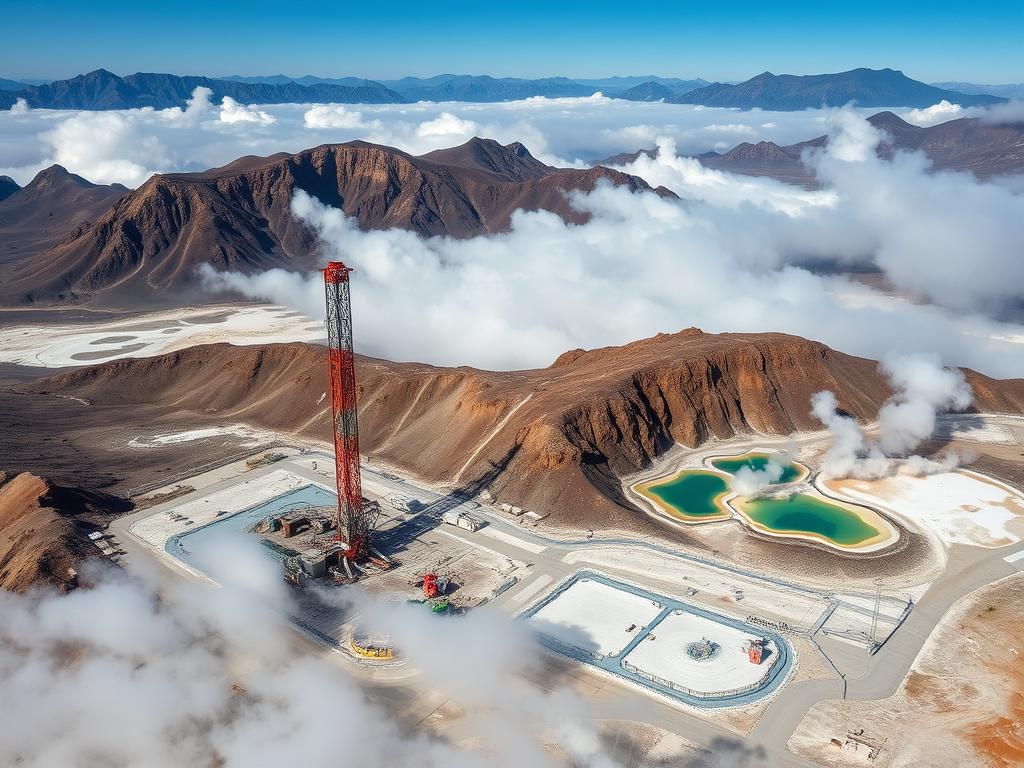
Using these geothermal exploration techniques gives a full view of what’s underground. This helps figure out if a geothermal site is good for energy use.
 Biofuels: Advantages and disadvantages in energy production
Challenges in Geothermal Energy Development
Geothermal energy has many benefits, but it faces several challenges. One major issue is accessing deeper, more complex geothermal resources. Improving drilling and exploration techniques is key to reaching these resources.
The high initial costs of starting a geothermal project are another big challenge. This is especially true in areas with limited geothermal potential. The cost of exploration, drilling, and plant construction can scare off investors.
Environmental concerns are also a big challenge. Issues like induced seismicity and safe disposal of geothermal fluids need careful handling. Finding ways to manage these concerns is crucial for sustainable use of geothermal energy.
Despite these challenges, geothermal energy’s potential is huge. Research and development in drilling, financing, and environmental management can help overcome these hurdles. This will unlock geothermal energy’s full potential as a renewable source.
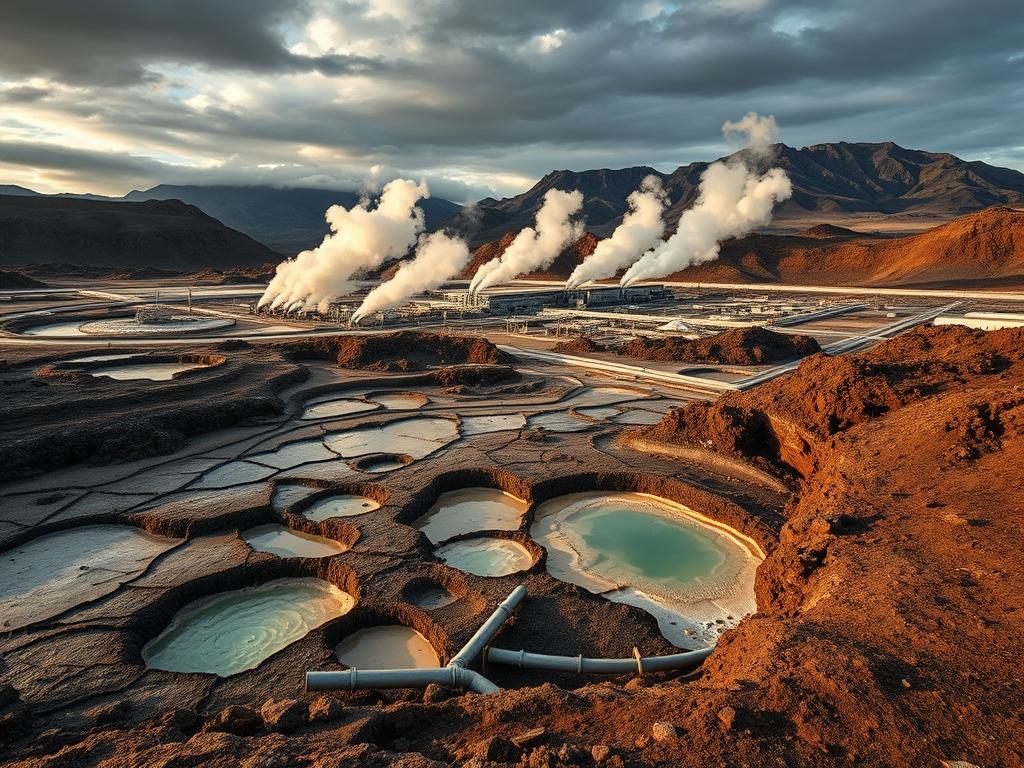
To boost geothermal energy adoption, we must tackle technological barriers, economic factors, and environmental concerns. By solving these issues, the geothermal industry can grow. This will help create a more sustainable energy future.
Cost and Efficiency of Geothermal Power Plants
Geothermal power plants are a promising renewable energy source. However, their cost and efficiency are key factors to consider. These plants have high upfront costs due to exploration, drilling, and well development. But, they have low operating and maintenance costs over time.
The efficiency of these plants depends on several factors. These include the geothermal resource’s temperature and composition, the technology used, and the system design. Ongoing research and technology advancements aim to make geothermal power more cost-effective and efficient.
Levelized Cost of Energy (LCOE)
The levelized cost of energy (LCOE) is a crucial metric for evaluating geothermal power’s cost-effectiveness. It shows the average cost of electricity over a power plant’s lifetime. It considers capital costs, operating expenses, and other factors. Studies indicate that the LCOE for geothermal power ranges from $0.05 to $0.10 per kilowatt-hour. This makes it a competitive option compared to other renewable energy sources.
| Geothermal Power Plant Metric | Range |
|---|---|
| Levelized Cost of Energy (LCOE) | $0.05 – $0.10 per kilowatt-hour |
| Geothermal Power Plant Efficiency | 10% – 20% |
Geothermal power plants typically operate at 10% to 20% efficiency. This might seem low compared to other renewable sources. Yet, advancements in geothermal technology aim to boost overall efficiency.
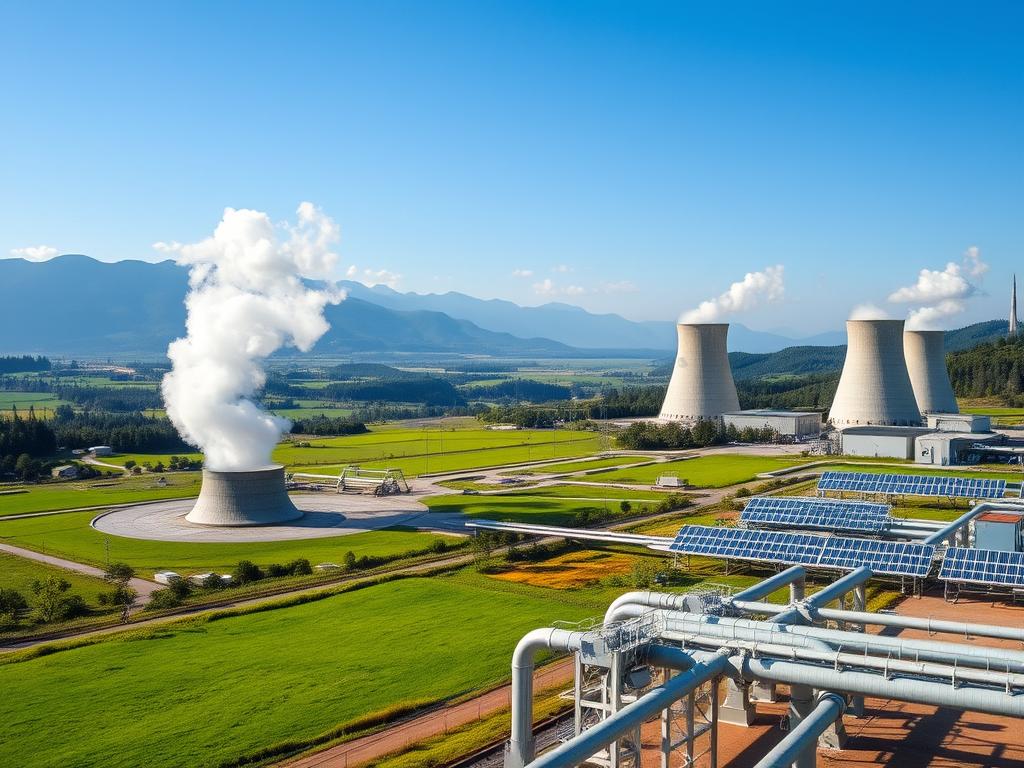
The geothermal energy industry is working to overcome cost and efficiency challenges. This makes geothermal power a more viable and attractive option globally. As technology evolves, the adoption of geothermal power looks increasingly promising.
Sustainable Energy Solutions with Geothermal
Geothermal energy is key in moving towards a sustainable energy future. It’s a clean and renewable source that helps cut down on greenhouse gases. This makes it a big help in fighting climate change.
Geothermal power, along with ground-source heat pumps and direct use, offers a green way to meet our energy needs. It’s a versatile and eco-friendly option.
By improving and using geothermal tech, we can tap into its full potential. This sustainable energy source helps make our energy system more sustainable and strong. The benefits of geothermal energy are many, like reliable power, low environmental impact, and new jobs in green energy.
Geothermal energy is great because it can provide power all the time, no matter the weather or time. It’s perfect for working with solar and wind, which change more. Geothermal plants can also work better and cheaper, making them good for communities looking to mix up their energy sources.
Geothermal isn’t just for power. It’s also good for heating and cooling buildings, industrial processes, and farming. This makes it a big help in finding sustainable energy solutions.
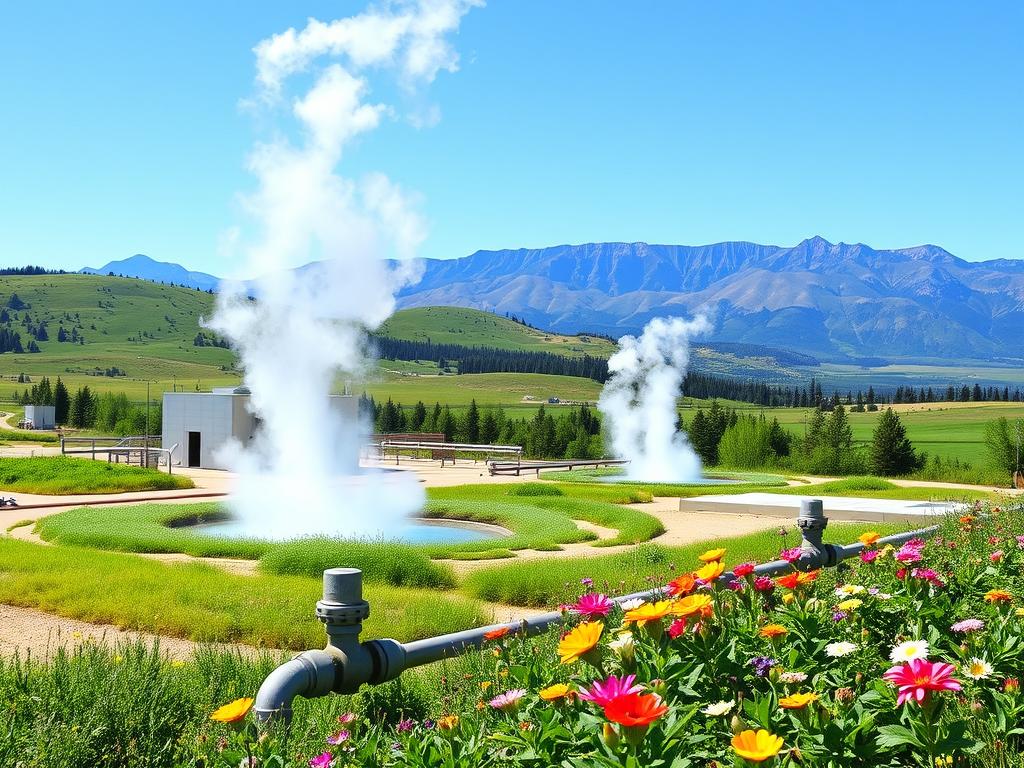
As we face climate change, the role of renewable energy like geothermal is crucial. By investing in geothermal tech, we help create a better, more resilient energy future. This future meets our energy needs while being kinder to the planet.
Geothermal Energy in the World
Global geothermal energy production is growing fast. Countries like the United States, Indonesia, the Philippines, and New Zealand are leading the way. They have big capacities and keep growing their geothermal energy projects.
Leading Countries in Geothermal Energy Production
Iceland and Kenya are also making big moves. They use a lot of geothermal energy to power their homes and businesses. They see it as a clean, reliable, and sustainable energy source.
The world is getting more into geothermal energy. New technologies and ideas are helping more places use it. Soon, even more countries will join the top geothermal energy producers. This will make our energy cleaner and more sustainable.
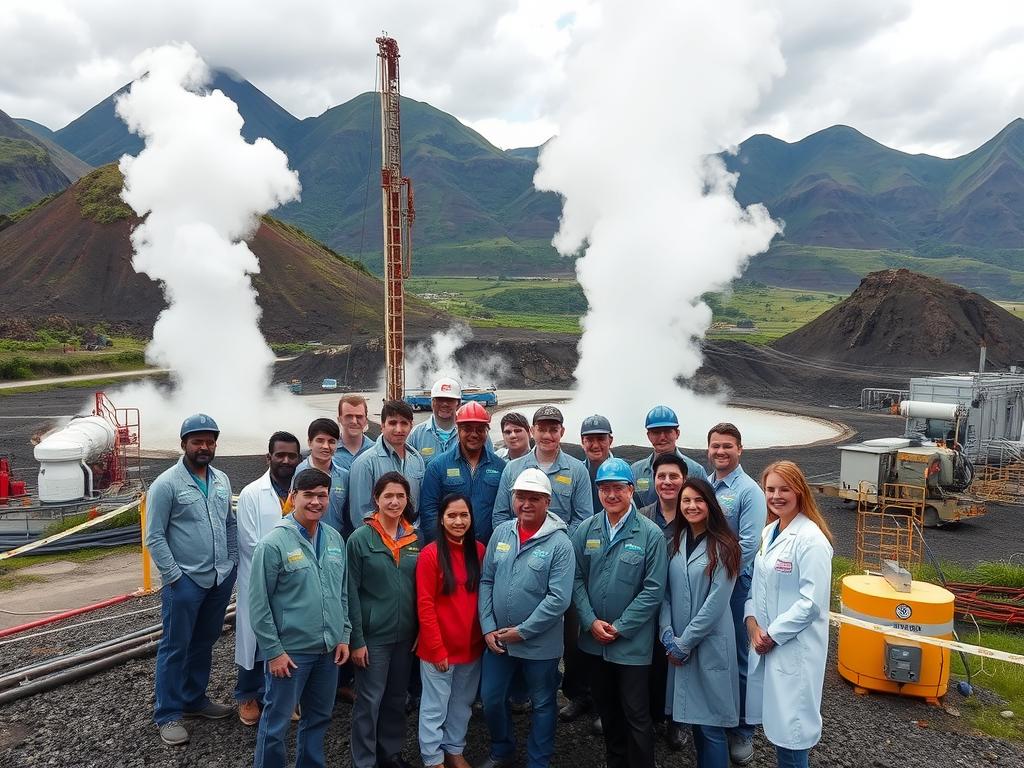
Future Prospects of Geothermal Energy
The future of geothermal energy looks bright. New tech and better policies are making it easier to use. Scientists are working hard to make geothermal power cheaper and more efficient.
They’re also finding new ways to reach geothermal resources. This means more places can use this clean energy. The world is moving towards cleaner energy, and geothermal is a big part of that.
 Climate change: Causes, effects and solutions
As we look ahead, geothermal energy will play a bigger role. It will help make our energy system stronger and more varied. New tech lets us explore and use geothermal resources we couldn’t before.
Also, the rules and support for geothermal energy are getting better. Governments are offering help like tax breaks to encourage its use. This growing support, along with people wanting cleaner energy, is making geothermal even more promising.


