
Greenhouse effect: Causes and solutions to global warming

The greenhouse effect is a natural process that helps keep Earth’s temperature stable. But, human actions like burning fossil fuels and cutting down forests have raised greenhouse gas levels. This has led to global warming and climate change. This article will look into the causes, effects, and ways to lessen these impacts.
The Earth’s atmosphere works like a greenhouse, trapping the sun’s heat. This keeps the planet warm enough for life to thrive. However, more greenhouse gases like carbon dioxide, methane, and nitrous oxide have made the greenhouse effect stronger. This has caused Earth’s temperature to rise and its climate to change.
Burning fossil fuels for energy, transport, and industry is a big source of greenhouse gases. Cutting down forests and changing land use also harm the environment. Forests and plants absorb CO2, but when they’re gone, more gases stay in the air, making the greenhouse effect worse.
The effects of global warming are serious. They include rising sea levels, more extreme weather, changes in rain patterns, and harm to ecosystems and food. To tackle the greenhouse effect and climate change, we need to use renewable energy, save energy, and adopt sustainable land use.
Understanding the Greenhouse Effect
The greenhouse effect is key to keeping our planet warm enough for life. It happens when certain gases, like carbon dioxide, trap heat from the sun. This heat is then kept from escaping back into space.
What is the greenhouse effect?
The greenhouse effect is a natural process. It happens when gases in our atmosphere trap heat from the sun. This keeps the Earth’s temperature just right for life to exist. Without it, our planet would be freezing.
How does it contribute to global warming?
But, human actions have made the greenhouse effect stronger. Burning fossil fuels and cutting down trees have added more greenhouse gases. This has led to rising global temperatures, known as global warming.
As temperatures go up, we see changes like melting glaciers and more extreme weather. These changes are all part of climate change. Knowing about the greenhouse effect and global warming helps us find ways to protect our planet.
Causes of Increasing Greenhouse Gas Emissions
The main reasons for the rise in greenhouse gas emissions are the use of fossil fuels and changes in land use. Burning fossil fuels like coal, oil, and natural gas releases a lot of carbon dioxide (CO2). This happens during energy production, transportation, and industrial processes. Also, deforestation and land-use changes reduce the natural carbon sinks that absorb these gases.
Burning of Fossil Fuels
The fossil fuel industry is responsible for about 74% of greenhouse gas emissions in the U.S. Burning coal, oil, and natural gas for energy, heating, and transportation increases CO2 levels in the atmosphere. It’s important to use less fossil fuel and more renewable energy to lessen these emissions.
Deforestation and Land-Use Changes
Deforestation and land-use changes, like turning forests and wetlands into farms or cities, also raise greenhouse gas emissions. Trees and plants absorb CO2 from the air. When these areas are destroyed, the stored carbon is released, worsening the greenhouse effect.
| Emission Source | Contribution to Greenhouse Gas Emissions |
|---|---|
| Fossil Fuel Industries | 74% of human-caused emissions in the U.S. |
| Deforestation and Land-Use Changes | Reduce natural carbon sinks and release stored carbon |
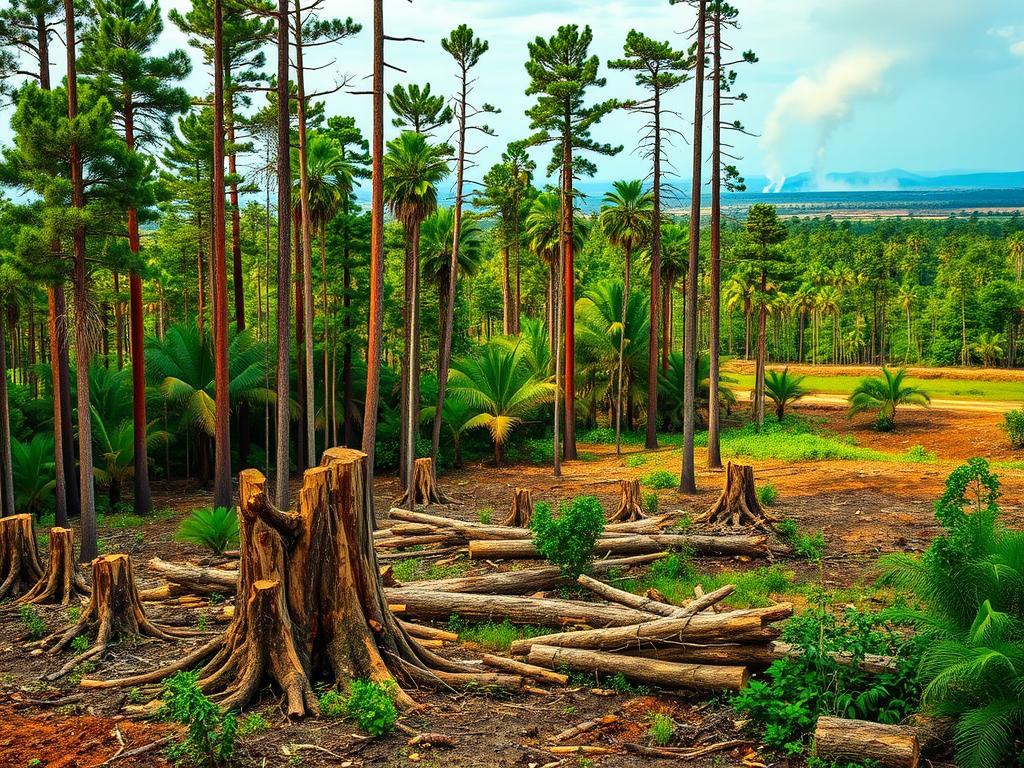
It’s vital to tackle the main causes of rising greenhouse gas emissions to fight global warming. By switching to renewable energy, using land wisely, and protecting natural carbon sinks, we can reduce the greenhouse effect. This will help prevent its severe effects.
Effects of Global Warming
Global warming is causing big changes in our world. We see more heat waves and rising sea levels. These changes are getting worse and affecting us a lot.
Rising Temperatures and Heat Waves
The Earth’s temperature has gone up by about 1.2 degrees Celsius since before humans started burning fossil fuels. This has led to more heat waves. These waves are dangerous for people, crops, and animals.
Research shows that a 1 degree Celsius rise in temperature can cut wheat yields by 6% to 10% in some areas. This shows how bad rising temperatures are for growing food.
Sea Level Rise and Coastal Erosion
As the Earth warms, ice melts, causing sea levels to rise. This is a big problem for coastal areas. It makes flooding and erosion worse.
The IPCC says droughts will get worse in many places. This will make life harder for people and animals in dry areas.
Extreme Weather Events
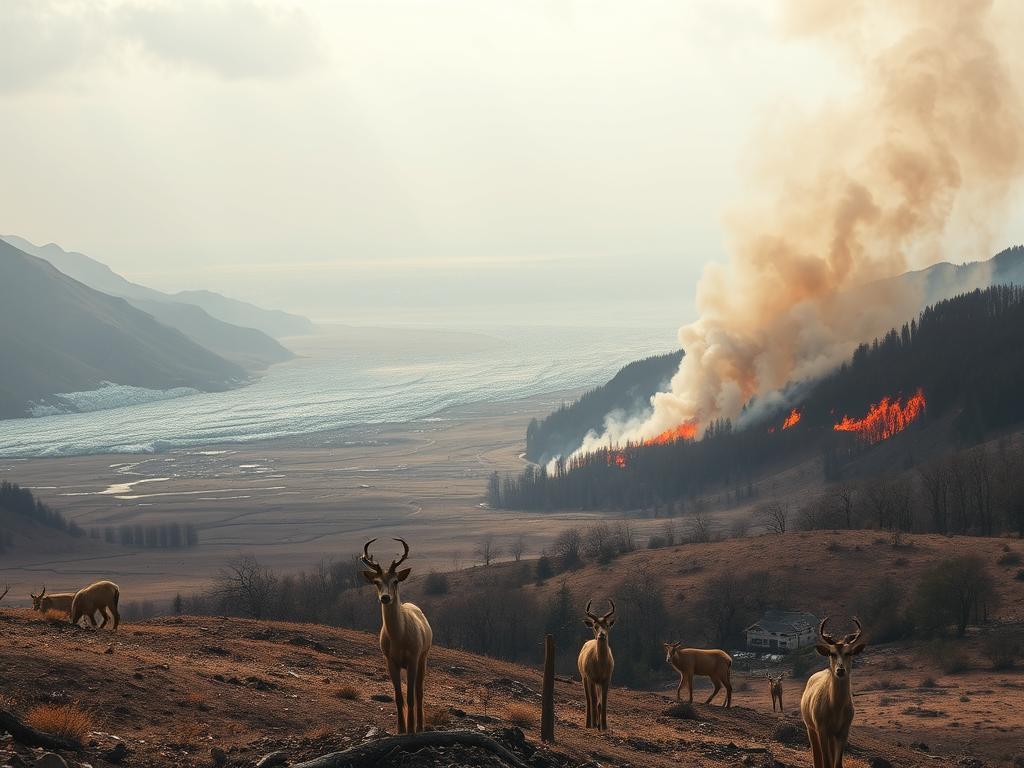
Global warming is also making extreme weather like hurricanes and wildfires more common. The IPCC thinks crop yields could drop by up to 25% in some places by 2030 if we don’t stop climate change.
These big changes are a big challenge for us. We need to work together worldwide to fight global warming and find ways to adapt.
Greenhouse Effect: A Closer Look at Methane Emissions
Methane is a powerful greenhouse gas that warms the Earth. It’s up to 80 times more potent than carbon dioxide over 20 years. Knowing where methane comes from is key to fighting global warming. The main sources are agriculture and energy production.
Methane as a Potent Greenhouse Gas
Methane traps heat well, making the atmosphere warmer. Studies show it’s 80 times more effective than carbon dioxide. Cutting down methane emissions is vital to fight global warming.
Sources of Methane Emissions
The main places where methane comes from are:
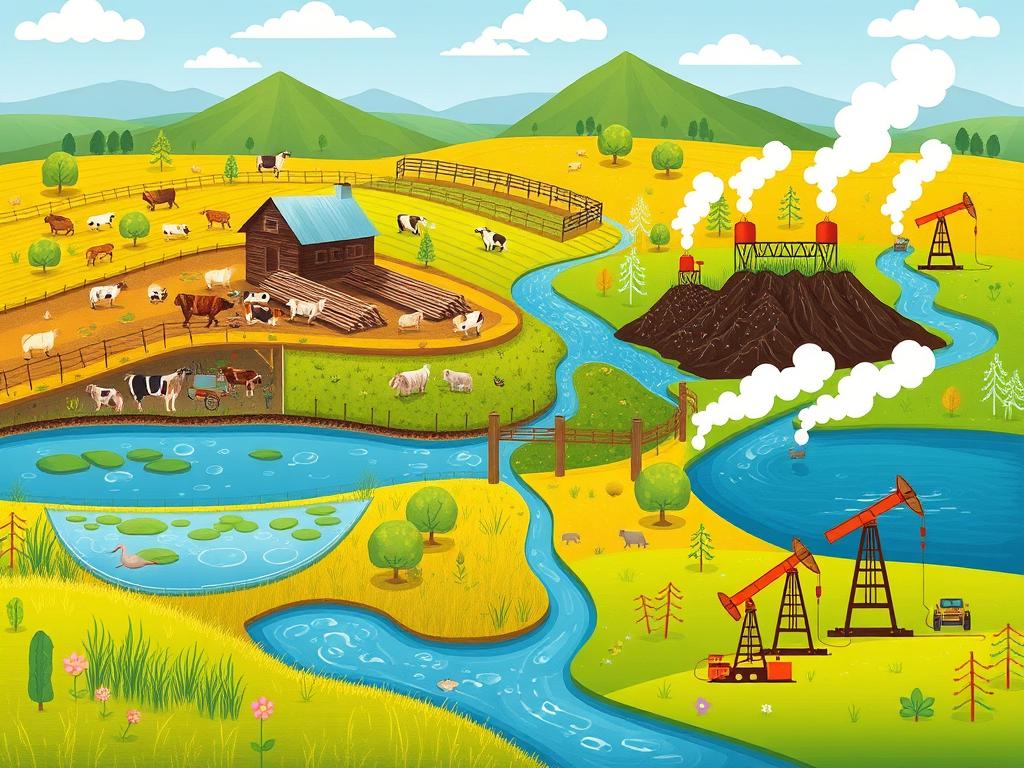
- Agriculture: Livestock and rice farming release a lot of methane.
- Energy Production: Natural gas, oil, and coal mining also emit methane.
- Waste Management: Landfills and wastewater plants add methane to the air.
It’s important to tackle these methane sources to reduce the greenhouse effect and work towards a greener future.
 Geothermal energy: How to harness the earth’s heat
| Statistic | Value |
|---|---|
| Methane’s Global Warming Potential | 80 times greater than carbon dioxide over a 20-year period |
| Reservoirs’ Carbon Storage Capacity | 6 times more effective than lakes in temperate climates |
| Methane Emissions Contribution by 2060 | 1-3% of the total human impact on the climate |
| Fossil Fuel Industries’ Contribution to U.S. Methane Emissions | Approximately 74% |
The Role of Reservoirs in Greenhouse Gas Emissions
Inland waterbodies, like reservoirs, can release a lot of greenhouse gases, especially methane. When water levels change, gas bubbles form and escape. This adds to the overall greenhouse gas emissions. The amount of gases depends on water temperature, how fast sediment settles, and how much organic matter is present.
Reservoirs can store more carbon than lakes in temperate climates. But, methane emissions from reservoirs have peaked in the mid-1980s. By 2060, they might make up 1-3% of human climate impact. Still, reservoirs are a big source of methane to the atmosphere because of human activities.
| Statistic | Value |
|---|---|
| Hydroelectricity accounts for 86% of renewable generation in Washington state in 2023 | 86% |
| Hydroelectricity generates 64% of electricity in Washington state | 64% |
| Washington state generates the most hydroelectricity of any state in the U.S. | Highest in U.S. |
| In 2011, Washington state produced almost 92,000 GWh of conventional hydroelectric power | 92,000 GWh |
| In 2023, Washington state generated 61,000 GWh of conventional hydroelectricity due to droughts affecting dam power generation | 61,000 GWh |
We need more studies to fully understand the impact of reservoirs on greenhouse gas emissions. For example, Lake Powell releases gases like unseparated oxygen and nitrogen, carbon dioxide, and methane. In two out of three years studied, it released more methane than CO2. Water level changes in Lake Powell also lead to mud volcanoes, which can release greenhouse gases.

Reservoirs like Lake Powell are expected to have a small impact on greenhouse gas emissions. But, their role in the global greenhouse gas emissions landscape is still important. As we work to fight climate change, understanding reservoirs’ impact will be key to finding solutions.
Mud Volcanoes: A Unique Source of Methane Emissions
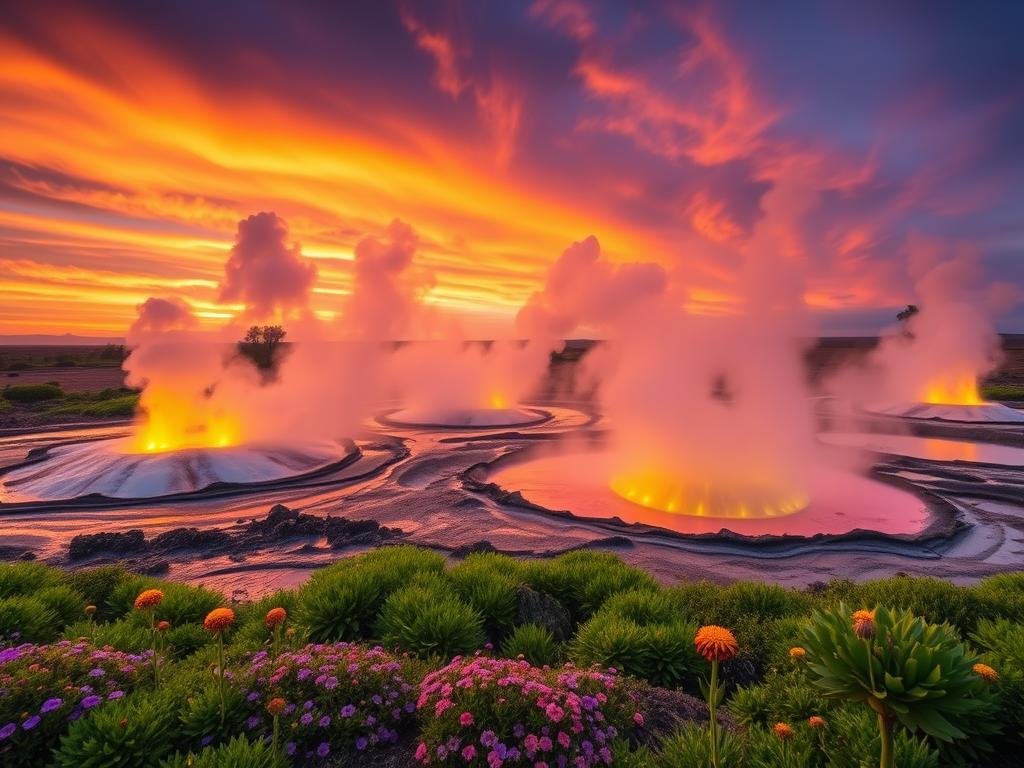
Nestled in Lake Powell’s canyons, a remarkable phenomenon is happening – mud volcanoes are forming. These unique features are a big source of methane emissions. They add to the global greenhouse gas problem.
Formation and Composition of Mud Volcanoes
Mud volcanoes form when water levels in the reservoir change. This change in pressure releases methane trapped under the sediment. The gas from these mud cones is mostly methane, with some carbon dioxide and other gases.
Studies show that in two out of three years, mud volcanoes release more methane than carbon dioxide. The gases from Lake Powell’s mud volcanoes include methane, a powerful greenhouse gas. This shows how important these natural features are in the region’s methane emissions.
Compared to newer reservoirs, Lake Powell is older and in a drier climate. This means it has less biomass and lower greenhouse gas emissions. But, more studies are needed to understand the full impact of reservoirs like Lake Powell on methane and climate change.
Impacts of Climate Change in Europe
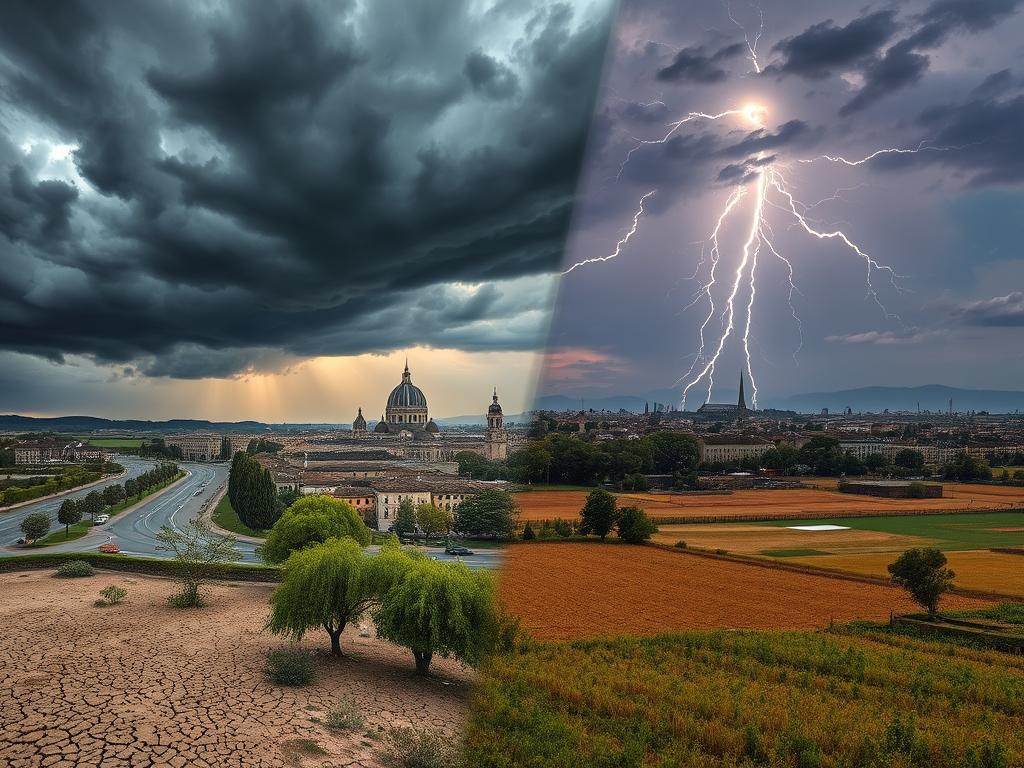
Europe is feeling the harsh effects of climate change. Extreme weather events are getting more common and intense. The continent has seen everything from record-breaking heatwaves to devastating floods.
Extreme Weather Events in Europe
Recently, Europe has seen a lot of extreme weather. In 2022, central Bosnia and Herzegovina faced deadly floods that killed 19 people. Central European countries, like Poland, saw their worst flooding in over two decades, causing around $9 billion in damages.
Other parts of Europe have also been hit hard. Lower Austria had evacuations and a dam failure due to floods. In the Czech Republic, thousands had to leave their homes. Romania and Italy also suffered, with floods and record-high temperatures in cities like Rome, Naples, and Florence.
Experts say these extreme weather events will only get worse. The Intergovernmental Panel on Climate Change warns Europe could see up to 14 times more frequent slow-moving storms by the end of the century.
European governments are taking steps to address these issues. Poland’s “Operation Phoenix” and the European Commission’s 10-billion-euro fund for flood-affected EU states are examples. But experts stress the need for international cooperation and comprehensive measures to tackle climate change’s impacts in Europe.
Solutions to Mitigate Global Warming
Fixing the greenhouse effect and lessening global warming needs a big plan. We must look at how we use energy and farm. Luckily, we have good ways to face this big environmental problem.
Transitioning to Renewable Energy Sources
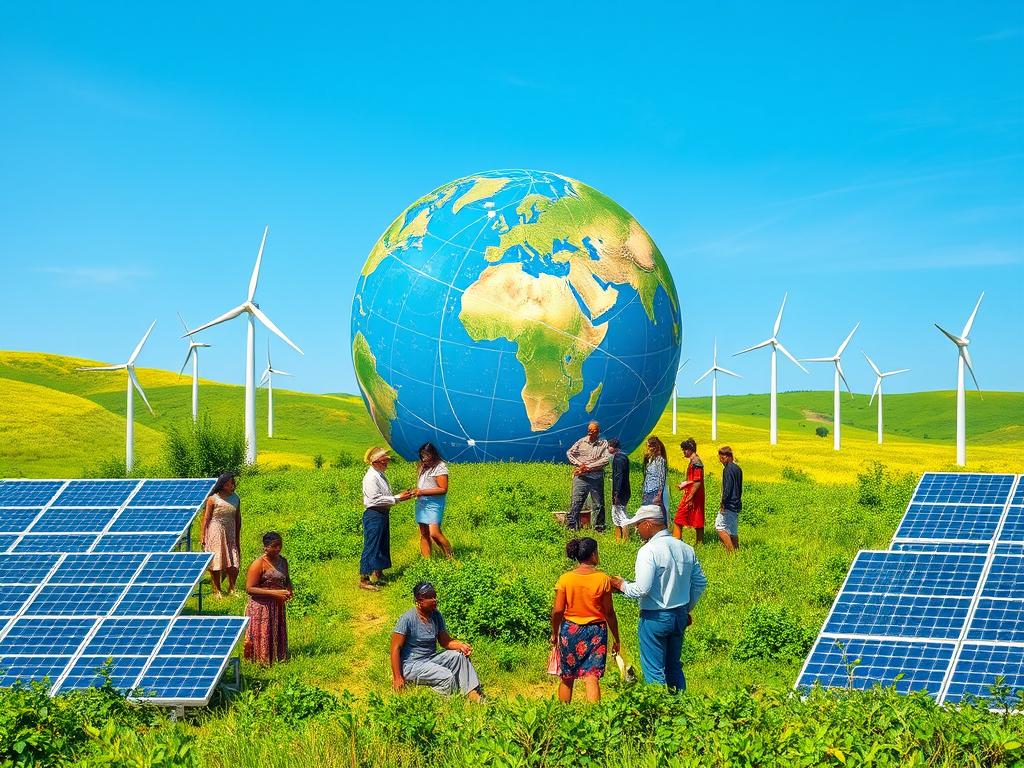
Switching from fossil fuels to solar, wind, and hydropower is key. These clean energies cut down on harmful emissions. They also make our energy use safer and more independent.
Improving Energy Efficiency
Boosting energy efficiency in buildings, cars, and factories helps fight global warming. We can do this by adding better insulation, using energy-saving gadgets, and encouraging electric cars and public transport.
Promoting Sustainable Agriculture
Agriculture is a big source of greenhouse gases, mainly from livestock and synthetic fertilizers. Sustainable farming methods like regenerative and precision farming can lower emissions. They also help our food system stay strong.
By using these solutions together, we can move towards a greener future. Taking steps now protects our planet for future generations.

Role of International Cooperation
Fighting the greenhouse effect and climate change needs a global team effort. Countries must work together to set and meet big goals for cutting emissions. International cooperation is key to creating and using policies, technologies, and strategies to tackle the greenhouse effect and its effects worldwide.
Global Emission Reduction Commitments
Nations worldwide have made global emission reduction promises through agreements like the Paris Agreement. These promises aim to keep the global temperature rise under 2°C above pre-industrial levels. They also aim for a 1.5°C limit. Climate change mitigation needs teamwork, sharing of technology, and financial help to hit these targets.
For instance, the European Union wants to cut greenhouse gas emissions by at least 55% by 2030 compared to 1990 levels. The United States has promised to cut its emissions by 50-52% below 2005 levels by 2030. These big goals show how important it is for countries to work together on climate change.
 Waste and recycling: The importance of reducing, reusing and recycling
| Country/Region | Emission Reduction Target | Timeline |
|---|---|---|
| European Union | Reduce greenhouse gas emissions by at least 55% | By 2030 compared to 1990 levels |
| United States | Reduce emissions by 50-52% | By 2030 compared to 2005 levels |
| China | Achieve carbon neutrality | By 2060 |
| India | Reduce emissions intensity of GDP by 33-35% | By 2030 compared to 2005 levels |
These global emission reduction promises show the big effort needed to fight climate change. They help protect our planet for the future.
Individual Actions to Reduce Carbon Footprint
While governments and international groups are key in fighting the greenhouse effect, our actions matter too. By choosing sustainable options every day, we can help reduce emissions and fight climate change. Together, we can make a big difference in the battle against global warming.
One key action is to cut down our carbon footprint. We can do this in many ways, like:
- Switching to renewable energy for our homes and cars, like solar, wind, or electric vehicles.
- Boosting energy efficiency by better insulation, energy-saving gadgets, and smart homes.
- Lessening waste and choosing sustainable products, like cutting down on plastics, recycling, and composting.
- Picking sustainable food and agriculture, like eating less meat, buying local, and reducing food waste.
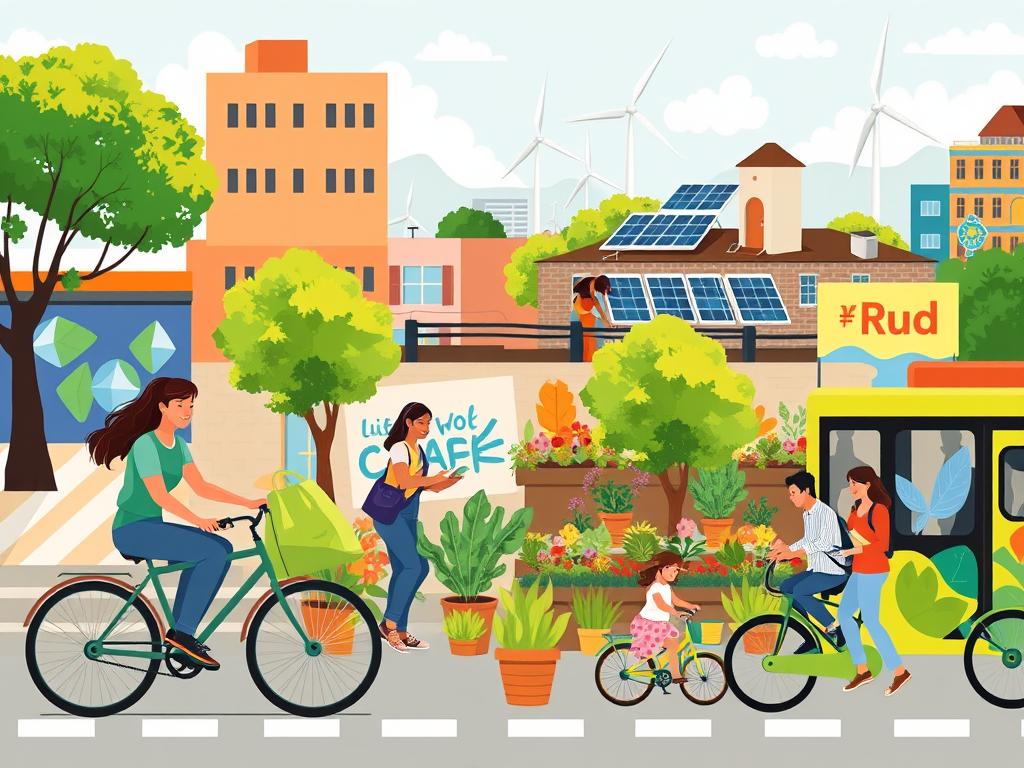
- Choosing greener ways to travel, like walking, biking, public transport, or carpooling.
By doing these actions to lower our carbon footprint, we help fight climate change. We also encourage others to join us. Together, we can build a greener future and safeguard our planet for the future.
The Importance of Public Awareness and Education
Dealing with the greenhouse effect and climate change is more than just laws and tech fixes. We need to raise awareness and teach people about these big environmental issues. When people know what’s going on, they can help make changes and push for solutions.
Starting with the basics, we must share clear facts about the greenhouse effect. Knowing how global warming works and why it’s happening helps people make better choices. They can use less energy, choose cleaner energy, and live greener every day.
Teaching kids about climate change is also key. By adding lessons on the environment to school, we prepare the next generation to tackle these problems. This way, they learn to see how our actions affect the planet.
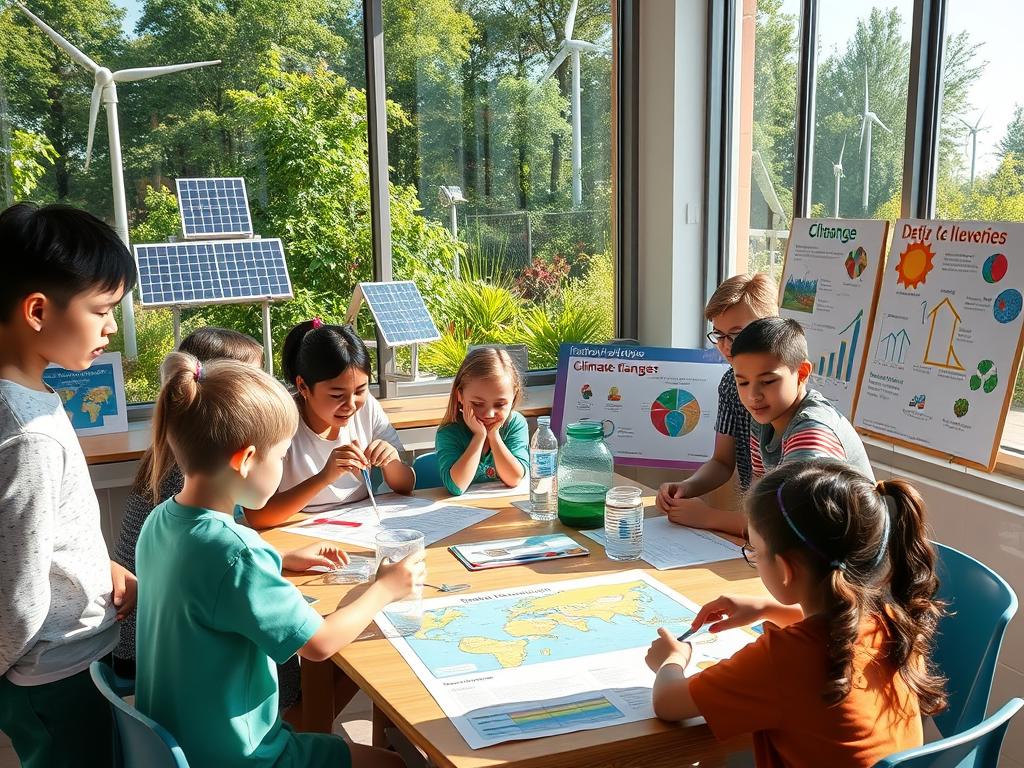
But it’s not just schools. We also need public campaigns and community programs to get more people involved. Showing how climate change affects us, like with big storms, can get people to act together. Working together, we can make a big difference.
In the face of urgent climate challenges, awareness and education are our strongest allies. By teaching and informing everyone, we can create a future where we all work together to fight the greenhouse effect. This way, we can build a better world for all.
New York City’s Curbside Composting Program
New York City has started a mandatory curbside composting program. This move aims to cut down on waste sent to landfills. Landfills release methane, a harmful gas, when waste decomposes.
This program could greatly reduce the city’s greenhouse gas emissions. It’s a big step towards a greener future.
Benefits and Challenges of the Program
The Zero Waste Act requires New York City residents to compost starting October 6th. Brooklyn and Queens already have the program. Now, Manhattan, Bronx, and Staten Island residents can get free compost bins online until October 28th.
The Department of Sanitation (DSNY) is delivering these bins. They started in August and will continue into the fall.
The program has the potential to cut down on harmful emissions. But, it also faces challenges. Instead of composting, the city uses the waste for biogas. This might not be as beneficial as true composting.
There are also worries about public understanding. Some people might not know why organic waste disposal is important.
| Benefit | Challenge |
|---|---|
| Reduced greenhouse gas emissions by diverting organic waste from landfills | Use of collected organic waste for biogas production instead of strict composting |
| Increased sustainability through proper organic waste management | Concerns about public awareness and understanding of the program’s goals |
| Increased availability of free compost bins for residents | Potential for non-compliance and implementation of fines starting in 2025 |
To tackle these issues, the city might need to educate the public. They should explain the program’s benefits and how to compost right. Also, composting the waste instead of making biogas could make the program more effective.
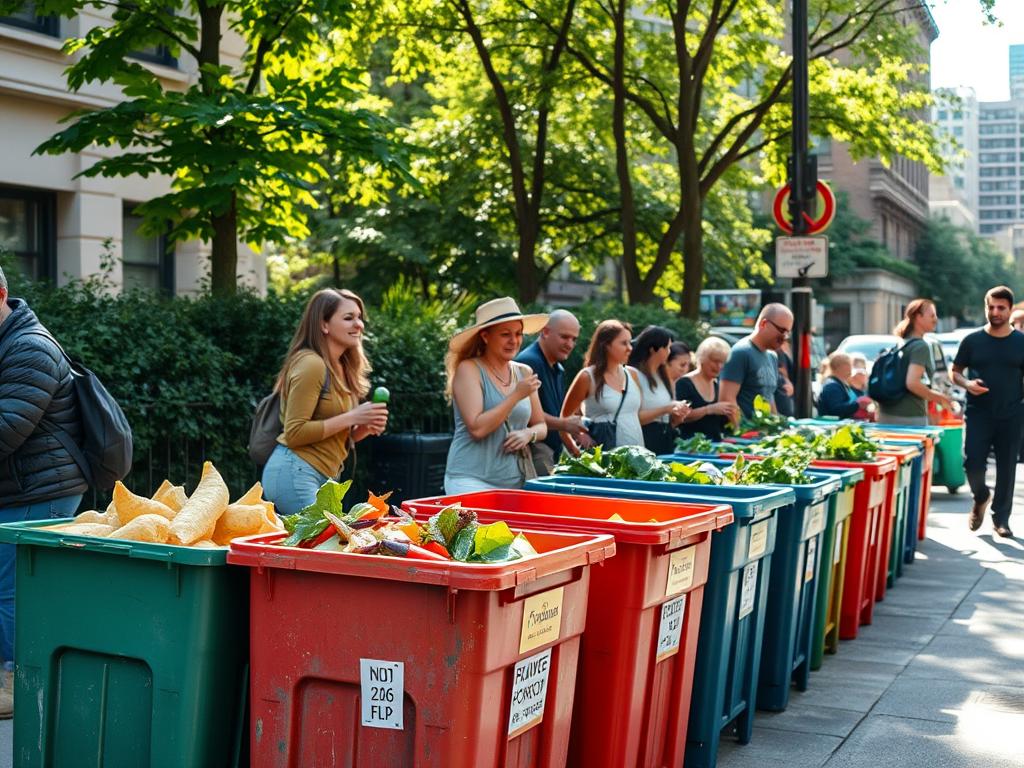
New York City’s composting program is a big step towards a greener city. By working on the challenges and making the most of it, the city can inspire others. This could lead to a more sustainable future for all.
The Future of Composting and Waste Management
Cities and communities are focusing on the greenhouse effect and climate change. They see composting and waste management as key. They aim to expand composting, improve waste processing, and move away from landfills and incineration.
This shift can cut down greenhouse gas emissions. It helps move towards a circular economy.
New York City’s curbside composting program is a great example. It diverted 12.7 million pounds of organic waste from landfills in just three months. Similar programs and investments in waste facilities can make a big difference.
By doing so, cities can lessen their reliance on landfills and incineration. These are big sources of greenhouse gas emissions.
 Biofuels: Advantages and disadvantages in energy production
The future also includes new technologies and partnerships. We can turn organic waste into bio-gas and build advanced facilities for food and yard waste. These steps open up new ways to manage waste sustainably.
By embracing these solutions and involving communities, we can make composting and waste management part of our daily lives. This will help reduce our environmental impact and lead to a more circular and sustainable future.


