
Machu Picchu: The Lost City of the Incas

Machu Picchu lost city incas
Machu Picchu, often referred to as the Lost City of the Incas, is one of the most enigmatic archaeological sites in the world. This ancient citadel, located in the Andes Mountains of Peru, draws millions of visitors each year.
With its stunning architecture, precise stonework, and deep historical significance, Machu Picchu provides a unique glimpse into the Inca civilization that flourished centuries ago. But what exactly makes this site so mysterious, and why was it abandoned? This article delves into the mysteries surrounding Machu Picchu, exploring its history, structure, and significance in Inca culture.
The Discovery of Machu Picchu
The story of Machu Picchu’s discovery is as fascinating as the site itself. Although known to local indigenous communities, the site remained hidden from the outside world until 1911, when American historian Hiram Bingham was led to the ruins by locals. His exploration and subsequent writings brought Machu Picchu to international attention, sparking a global fascination with the so-called “Lost City of the Incas.”
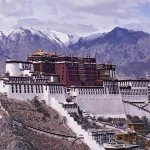 The Potala Palace in Tibet: A Place of Spiritual and Historical Mystery
Historical Context of the Inca Empire
The Inca Empire, which thrived between the 13th and 16th centuries, was the largest empire in pre-Columbian America. Centered in Cusco, Peru, the Inca civilization developed sophisticated agricultural systems, architecture, and a centralized economy. They believed in a harmonious relationship with nature, which is reflected in Machu Picchu’s structure, as it blends seamlessly with the surrounding landscape.
The Purpose of Machu Picchu
Despite its fame, the original purpose of Machu Picchu remains a topic of debate among historians. Here are some prevailing theories:
- Royal Estate: Many scholars believe that Machu Picchu served as a royal estate for Emperor Pachacuti, who ruled in the mid-15th century. The location’s scenic views and strategic location may have made it an ideal retreat.
- Religious Site: Some experts suggest that the site had religious significance, serving as a pilgrimage destination or spiritual center for the Inca elite.
- Military Outpost: Another theory is that Machu Picchu functioned as a defensive stronghold, given its strategic location overlooking the Urubamba River and surrounding valleys.
The Architecture of Machu Picchu
One of the most impressive features of Machu Picchu is its architecture. The Incas employed a technique known as ashlar masonry, where stones are precisely cut and fit together without the use of mortar. This technique allowed the structures to withstand seismic activity common in the region.
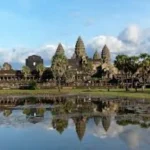 Angkor Wat: Cambodia’s Majestic Ancient Temple Complex
Notable architectural elements include:
- The Temple of the Sun: Dedicated to Inti, the Inca sun god, this semicircular temple aligns with the summer solstice, when sunlight enters through a window and illuminates a ceremonial stone.
- The Room of the Three Windows: This structure, believed to represent the three realms of Inca cosmology (the underworld, earthly world, and celestial realm), holds symbolic significance in Inca mythology.
- Intihuatana Stone: Known as the “Hitching Post of the Sun,” this stone is believed to have served as a solar clock, marking important astronomical events.
The Mystery of Abandonment
One of the biggest mysteries surrounding Machu Picchu is why it was abandoned. Scholars propose several possible reasons, including:
- Spanish Conquest: The Spanish invasion in the 16th century caused the collapse of the Inca Empire. However, since Machu Picchu was largely unknown to the Spaniards, this theory remains inconclusive.
- Disease and Natural Disasters: Epidemics or natural events such as drought or earthquakes could have contributed to its abandonment.
- Political Upheaval: Internal conflicts within the Inca Empire may have led to a shift away from the site.
A UNESCO World Heritage Site
In 1983, Machu Picchu was designated a UNESCO World Heritage Site due to its cultural and architectural significance. Its inclusion on this list underscores the need to preserve its unique history and heritage for future generations.
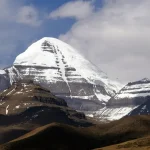 Mount Kailash: The Holy Mountain and Unexplored Peak of the Himalayas
Modern Preservation Efforts
As visitor numbers continue to rise, preservation has become increasingly challenging. In recent years, Peru has implemented strict regulations, including limiting the number of daily visitors and creating pathways to protect delicate areas. Despite these efforts, Machu Picchu faces ongoing threats from environmental degradation and tourism.
The Enigmatic Legacy of Machu Picchu
Machu Picchu remains one of the world’s greatest archaeological mysteries, symbolizing the ingenuity and resilience of the Inca civilization. As researchers continue to study this extraordinary site, the lost city of the Incas offers timeless lessons about environmental harmony, architectural innovation, and the human spirit’s quest for understanding.


