
The Carbon Cycle and Its Role in Earth’s Climate
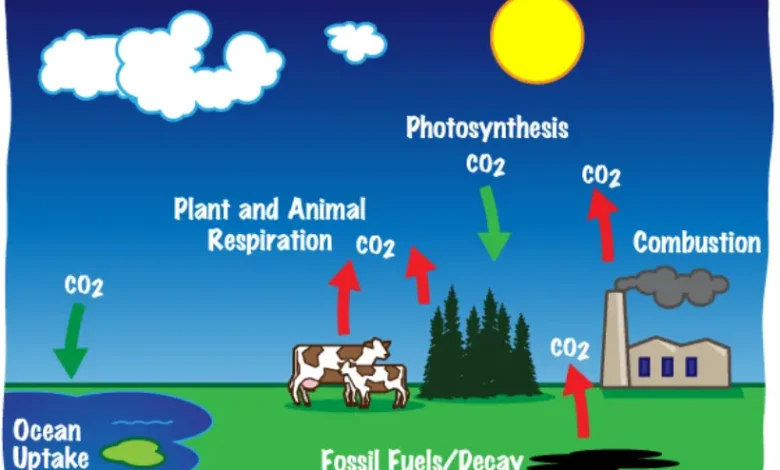
The carbon cycle is one of the most essential natural processes on Earth, regulating the planet’s climate and sustaining life. It involves the movement of carbon between the atmosphere, oceans, soil, and living organisms.
Understanding the carbon cycle is key to understanding how Earth’s climate functions, as carbon is a critical greenhouse gas influencing global temperatures. In this article, we will explore the carbon cycle and its vital role in regulating the Earth’s climate.
What is the Carbon Cycle?
The carbon cycle refers to the continuous movement of carbon in various forms, such as carbon dioxide (CO₂), methane (CH₄), and organic compounds, between different spheres of the Earth. These spheres include the atmosphere, hydrosphere (oceans), lithosphere (earth’s crust), and biosphere (living organisms). Carbon plays a central role in regulating the Earth’s temperature and is involved in several key processes, including photosynthesis, respiration, decomposition, and combustion.

Key Processes of the Carbon Cycle
- Photosynthesis: Plants, algae, and some bacteria absorb carbon dioxide (CO₂) from the atmosphere and convert it into organic compounds through photosynthesis, storing carbon in their tissues.
- Respiration: Organisms, including plants, animals, and microorganisms, release carbon dioxide back into the atmosphere through respiration, which is a process that converts organic matter into energy.
- Decomposition: When organisms die, decomposers like fungi and bacteria break down their bodies, releasing carbon back into the soil or atmosphere.
- Combustion: Burning fossil fuels (coal, oil, natural gas) or biomass (wood, crop residues) releases large amounts of carbon dioxide into the atmosphere, adding to the greenhouse effect.
- Carbon Sequestration: Some of the carbon in the cycle is stored in long-term reservoirs, such as the ocean or in fossil fuels, where it can remain for thousands or millions of years.
How Does the Carbon Cycle Impact Earth’s Climate?
The carbon cycle plays a critical role in maintaining the balance of the Earth’s climate. Carbon dioxide (CO₂) is one of the major greenhouse gases that trap heat in the Earth’s atmosphere. This natural greenhouse effect keeps Earth warm enough to support life. However, human activities, such as deforestation and burning fossil fuels, have disrupted the carbon cycle, leading to an excess of CO₂ in the atmosphere and contributing to climate change.
 Unique Ecosystems and Earth’s Biodiversity Hotspots
The Greenhouse Effect and Global Warming
The greenhouse effect occurs when carbon dioxide and other greenhouse gases trap heat in the atmosphere, preventing it from escaping into space. While this effect is essential for maintaining a habitable climate, an excess of CO₂ in the atmosphere can lead to global warming, causing an increase in average global temperatures. The equation that illustrates the relationship between CO₂ levels and the Earth’s temperature is:
ΔT = λ * ΔF
Where:
ΔTrepresents the change in temperature (in °C).λis the climate sensitivity, indicating how much the temperature will rise for a given increase in radiative forcing.ΔFis the change in radiative forcing, which is the difference between incoming solar radiation and outgoing heat from Earth (affected by greenhouse gases).
As humans release more carbon into the atmosphere, the radiative forcing increases, leading to higher temperatures and potentially catastrophic impacts on ecosystems, weather patterns, and sea levels.
 Gravity on Earth: Why It’s Not the Same Everywhere
Human Impact on the Carbon Cycle
Human activities have significantly altered the carbon cycle. The burning of fossil fuels for energy, transportation, and industry releases large amounts of CO₂ into the atmosphere. Deforestation, agriculture, and land-use changes also reduce the planet’s capacity to absorb carbon, further exacerbating the problem. These changes have led to an increase in atmospheric CO₂ levels, contributing to climate change.
Deforestation and Land Use Change
Forests act as carbon sinks, absorbing CO₂ from the atmosphere and storing it in trees and soil. However, when forests are cleared for agriculture or urban development, the carbon stored in trees is released back into the atmosphere, increasing greenhouse gas concentrations. This not only adds to the problem of climate change but also reduces the planet’s ability to naturally regulate carbon levels.
Fossil Fuel Combustion
Fossil fuels such as coal, oil, and natural gas are rich in carbon. When these fuels are burned for energy, they release large amounts of CO₂ into the atmosphere. This process has been the primary driver of the increased concentration of greenhouse gases over the past century, leading to global warming and climate disruption.
Mitigating the Effects of the Carbon Cycle Disruption
To mitigate the effects of carbon cycle disruption and climate change, several strategies can be implemented:
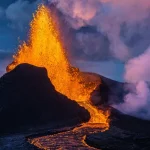 How Volcanoes Shaped Earth’s Landscape
- Reducing Fossil Fuel Use: Transitioning to renewable energy sources such as solar, wind, and hydropower can reduce the amount of CO₂ released into the atmosphere.
- Reforestation: Planting trees and restoring forests can help absorb CO₂ and reduce atmospheric carbon levels.
- Carbon Capture and Storage (CCS): Technologies that capture and store CO₂ emissions from industrial sources can help limit the amount of carbon entering the atmosphere.
- Sustainable Agriculture: Practices such as no-till farming, crop rotation, and organic farming can improve soil carbon storage and reduce emissions.
Conclusion
The carbon cycle is a crucial component of the Earth’s climate system. It regulates the flow of carbon through the atmosphere, oceans, soil, and living organisms, helping to maintain a stable climate. However, human activities have disrupted this delicate balance, leading to an excess of carbon dioxide in the atmosphere and contributing to global warming. By understanding the carbon cycle and taking action to reduce carbon emissions, we can work towards a more sustainable future and mitigate the impacts of climate change.


